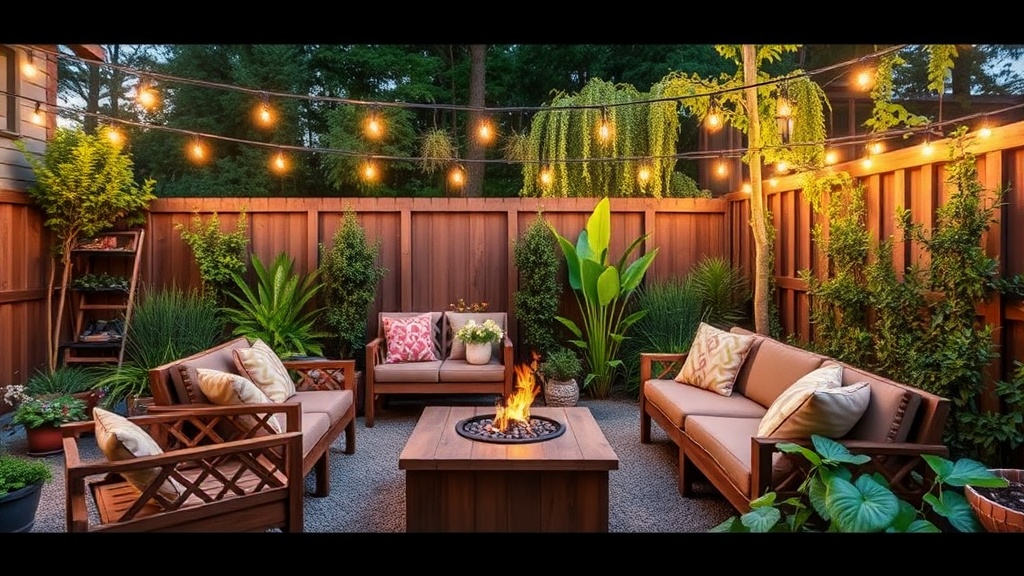
5 Creative Backyard Projects That Transform Your Outdoor Space

Build a Cozy Fire Pit Gathering Area
Install a Vertical Garden Wall
Create a Raised Vegetable Garden Bed
Add Ambiance with Outdoor String Lighting
Construct a Pallet Wood Privacy Screen
Your backyard deserves more than a patch of grass and a folding chair. These five creative projects turn ordinary outdoor spaces into functional, beautiful extensions of the home. Whether the goal is entertaining guests, growing vegetables, or simply creating a peaceful retreat, there's something here for every skill level and budget.
What Outdoor Kitchen Features Actually Make Cooking Outside Worth It?
A proper outdoor kitchen changes how families use their yards. The key features are counter space, weather-resistant storage, and a reliable heat source—not necessarily a $15,000 built-in grill station.
Start with the cooking surface. The Weber Spirit II E-310 runs about $500 and handles everything from burgers to smoked ribs with its three-burner setup. For pizza lovers, the Ooni Koda 16 (Ooni) hits 950°F and cooks Neapolitan-style pies in 60 seconds. Neither requires permanent installation.
Counter space matters more than most people think. A simple 6-foot stainless steel prep table from WebstaurantStore costs under $200 and provides room for plating, condiments, and that inevitable beer. Add a weatherproof cabinet underneath for utensils and grill covers.
The catch? Running utilities gets expensive fast. A licensed electrician charges $1,500–$3,000 to add outdoor-rated outlets and lighting. A plumber adds another $2,000+ for a sink with proper drainage. Here's the thing—most outdoor kitchens work fine without plumbing. A hose bib nearby and a cooler for drinks solve 90% of hydration needs.
Materials make or break durability. Skip pressure-treated lumber for countertops—it warps. Instead, use concrete pavers, stainless steel, or marine-grade polymer. Trex makes decent cabinet frameworks that won't rot, though they're not cheap at $400+ per linear foot.
Can You Build a DIY Fire Pit Without Burning Down the Neighborhood?
Yes—provided the location follows local codes and the construction uses proper materials. Most municipalities require fire pits to sit at least 10 feet from structures and overhanging branches.
In-ground pits look natural but demand excavation. Above-ground ring kits (like the Breeo X Series) offer easier installation and better airflow. The Breeo Double Flame 24" runs around $400 and includes a smokeless design that actually works—no more shifting chairs every time the wind changes.
| Fire Pit Type | Cost Range | Build Time | Best For |
|---|---|---|---|
| Metal Ring Kit (Breeo, Solo Stove) | $300–$600 | 30 minutes | Portability, low smoke |
| Concrete Block DIY | $150–$400 | 4–6 hours | Permanent seating, custom size |
| Gas Insert with Surround | $2,000–$5,000 | 1–2 days (pro install) | Instant ignition, no wood storage |
| Stone Masonry (Professional) | $5,000+ | 1–2 weeks | High-end landscaping integration |
Wood-burning pits need dry storage for fuel. A simple 2x4 frame with a corrugated metal roof—built against a fence or garage—keeps firewood season-ready. Size it for a half-cord (4' x 4' x 4') if burning regularly.
Gas conversions eliminate smoke and ash but require professional installation. That said, a licensed plumber should absolutely handle natural gas lines. DIY gas work voids homeowners insurance and risks explosions. Propane tank setups (20-pound or 100-pound) offer a middle ground—portable, safer, and legal to install without permits in most areas.
How Do You Create Privacy Without Installing a Boring Fence?
Living walls, strategically placed screens, and layered plantings block sightlines while adding texture and greenery. The best solutions combine immediate coverage with long-term growth.
Freestanding privacy screens work fast. The Vita Virginia Vinyl Privacy Screen ($180 at Home Depot) snaps together without tools and withstands weather for years. For something warmer, cedar panels from a local lumberyard cost roughly the same but need staining every few years. Position them 6–8 feet from seating areas—close enough for intimacy, far enough that neighbors' second-story windows still don't see in.
Climbing vines transform bare structures into green walls. Boston ivy grows 10 feet per season and clings to brick, wood, or metal without supports. Clematis offers flowers (purple, pink, white) but needs a trellis. Worth noting: Virginia creeper looks similar to poison ivy—five leaflets instead of three—so learn the difference before planting.
Strategic tree placement provides the most natural privacy. The Emerald Green Arborvitae grows 10–15 feet tall in a narrow 3-foot footprint—perfect for screening along property lines. Plant them 3 feet apart for a solid hedge in three years. For faster results, the Leyland Cypress shoots up 3–4 feet annually but needs 6–8 feet of spacing and regular pruning.
Bamboo offers instant height (15–25 feet) but requires containment. Running bamboo spreads aggressively—underground barriers (Rhizome Barrier from Bamboo Garden) buried 30 inches deep prevent yard takeover. Clumping varieties (Fargesia) stay put without barriers but grow slower and shorter.
Which Raised Garden Bed Design Actually Lasts?
Cedar and galvanized steel outlast pine and plastic, often surviving 15+ years with minimal maintenance. The key is selecting materials that resist rot, warping, and soil pressure.
Cedar contains natural oils that repel insects and moisture. A 4' x 8' x 12" cedar bed from Gardner's Supply Company runs $150–$200 and assembles with basic tools. Avoid "cedar-tone" pressure-treated lumber—it'll warp within two seasons. Real Western Red Cedar costs more upfront but saves replacement headaches.
Galvanized steel stock tanks (Behlen, Tarter) work as instant raised beds. A 6-foot oval tank from Tractor Supply ($120) holds enough soil for tomatoes, peppers, and herbs. Drill drainage holes in the bottom—half-inch bits work fine through the thin metal. The zinc coating prevents rust for decades, and the industrial aesthetic suits modern landscaping.
Height determines what grows well. Six inches handles lettuce, spinach, and herbs. Twelve inches accommodates carrots, beets, and bush beans. Root crops (potatoes, sweet potatoes) and deep-rooted tomatoes need 18–24 inches. That said, deeper beds require exponentially more soil—a 4' x 8' x 24" bed needs 64 cubic feet of material. Fill the bottom third with logs, branches, and leaves (hügelkultur method) to reduce soil costs and improve drainage.
Irrigation saves time and produces better harvests. Drip tape (Netafim, Rain Bird) delivers water directly to roots, reducing evaporation and foliar diseases. Connect to a battery-operated timer and forget about daily watering during vacation weeks. A simple setup costs under $100 for a 100-square-foot garden.
What's the Best Way to Add Shade Without Cutting Down Trees?
Sail shades and pergolas provide adjustable, immediate relief from summer sun. Both options cost less than mature tree installation and work where existing trees can't grow.
Sail shades offer the best bang for buck. A 12' x 16' triangle from Shade Sails ($80–$150) blocks 90% of UV rays and installs between existing structures—house to fence, garage to pergola post. Use turnbuckles and anchor plates (not just rope) so the fabric stays taut and doesn't flap in wind. The Permatron HDPE material lasts 5–8 years in full sun before fading.
Retractable awnings cost more ($800–$2,500) but adjust throughout the day. The SunSetter Motorized Awning extends 10–14 feet from the house wall and retracts during storms. Installation requires lag bolts into wall framing—not just siding—so locate studs first. Worth noting: these add significant wind load to walls; consult a contractor if the house has stucco or older framing.
Pergolas define outdoor rooms while providing partial shade. A DIY cedar pergola (10' x 12') costs $800–$1,200 in materials and takes a weekend to build. The standard design—4x4 posts, 2x6 beams, 2x2 slats spaced 6 inches apart—casts dappled shade that moves with the sun. For denser coverage, add retractable fabric panels or train grapevines across the top.
Polycarbonate roof panels transform pergolas into all-weather structures. The Suntuf Clear Corrugated panels ($30 per 12-foot sheet) block 99% of UV while letting light through. Install with a slight pitch (1:12 minimum) so rainwater runs off instead of pooling. The result feels like a covered porch without the enclosed claustrophobia.
Start with one project that matches how the space gets used. The outdoor kitchen makes sense for entertainers. Garden beds suit cooks who want fresh tomatoes. Shade structures help anyone who's ever abandoned their deck at 2 PM because the sun became unbearable. Pick the pain point, fix it well, and the backyard slowly becomes somewhere worth spending time.