Best Native Plants for a Low-Maintenance Backyard (By Region)

Alright, let me tell you something I wish I figured out a lot sooner.
For years I tried to force my yard to grow plants that looked great in magazines but struggled in my climate. They needed constant watering, fertilizer, and babying just to survive.
Then I started planting native plants.
Game changer.
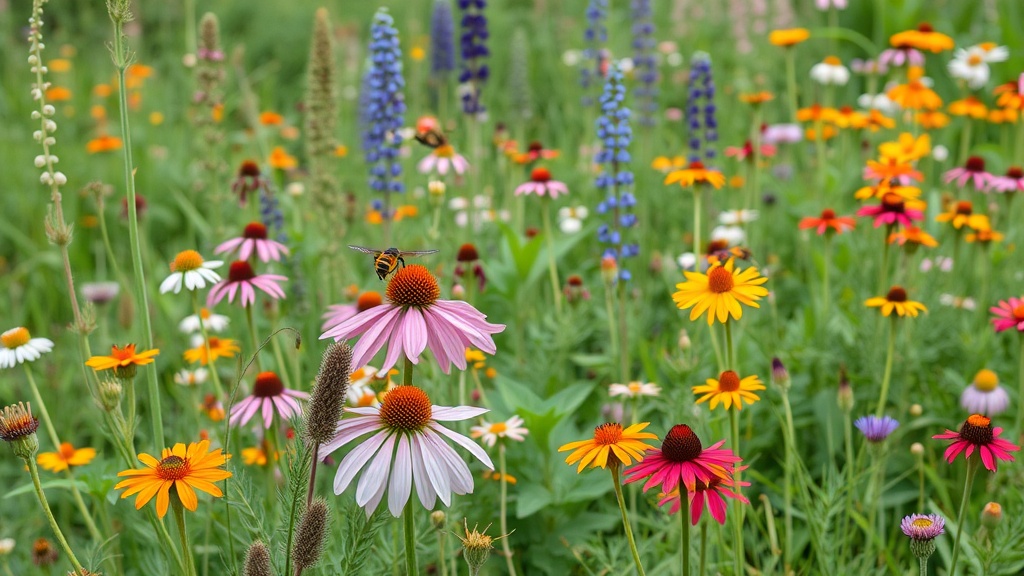
Native plants evolved to thrive in your local climate and soil. That means they usually need less water, little to no fertilizer, and they naturally resist local pests. They also support pollinators like bees and butterflies.
When I replaced about half of my front lawn with native prairie plants, my summer water bill dropped by almost 40%. And honestly, the yard looks better too.
So if you're trying to build a low-maintenance backyard, here are some great native plant options organized by region.
Why Native Plants Work So Well
Before we get into specific plants, here’s why native species make life easier.
• They’re adapted to local rainfall and temperatures
• They support local pollinators and wildlife
• They typically require less fertilizer and pest control
• They reduce watering needs
If you want to find native plants for your exact location, the National Wildlife Federation Native Plant Finder is a fantastic tool:
Just enter your zip code and it shows plants native to your area.
Northeast Native Plants
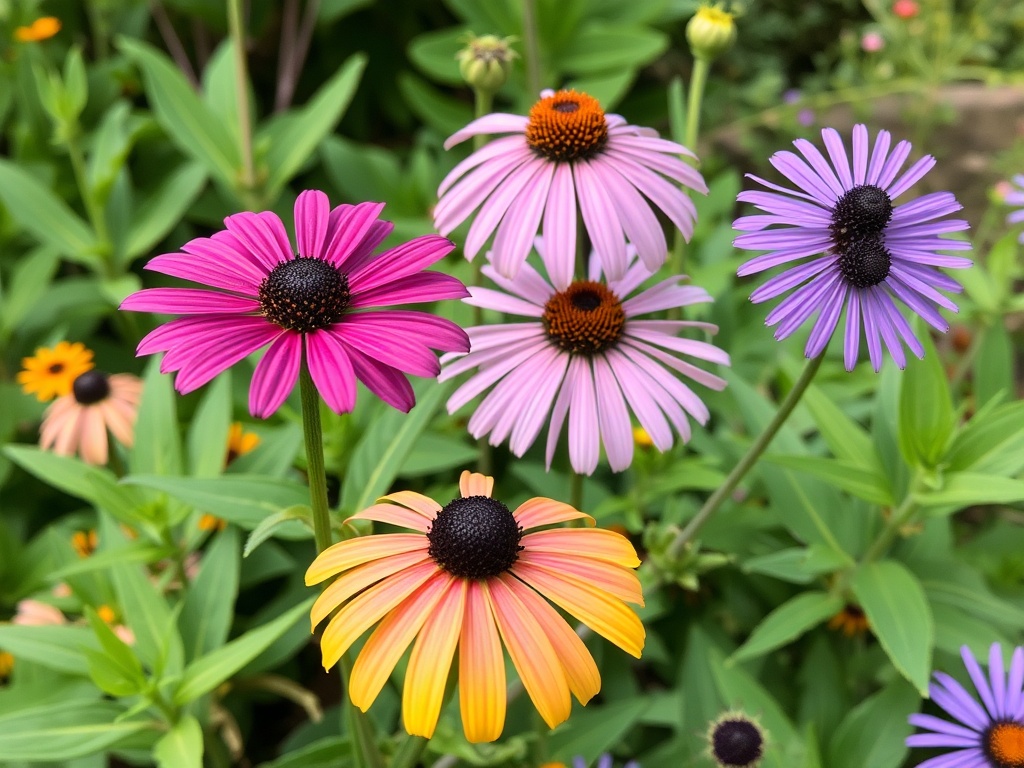
These plants handle colder winters and humid summers.
Black-Eyed Susan
Bright yellow flowers that bloom through summer.
Eastern Redbud
Small flowering tree that explodes with pink blossoms in spring.
New England Aster
Late-season purple flowers that pollinators love.
Southeast Native Plants
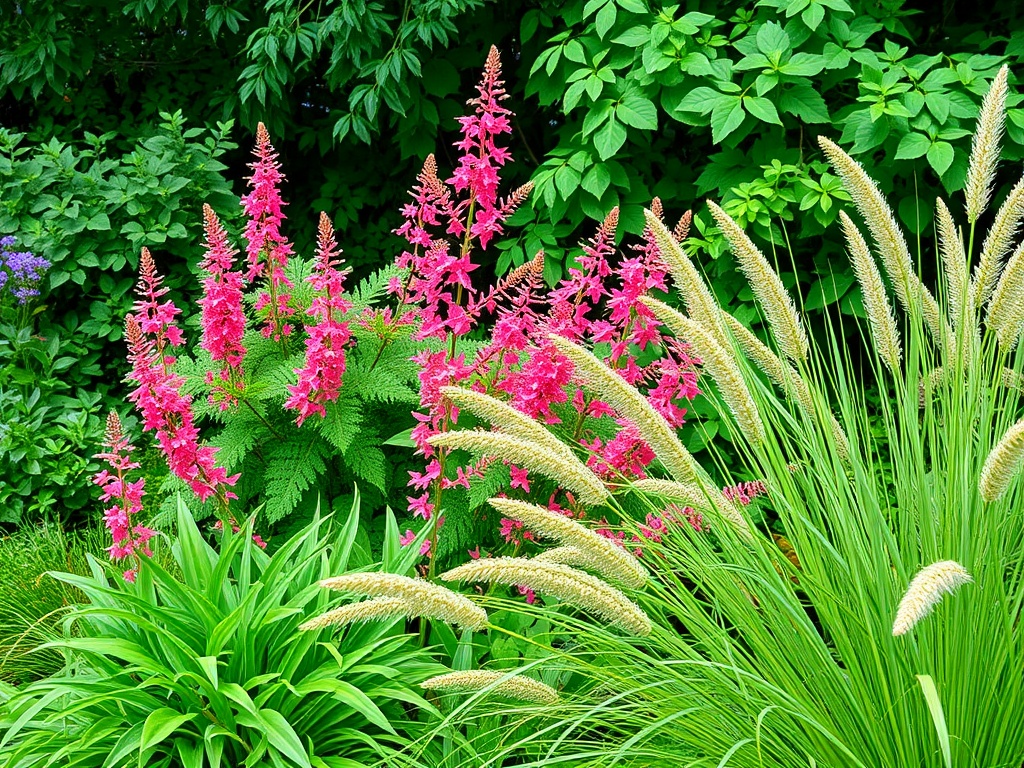
Warm climates with humid summers benefit from drought-tolerant natives.
Coral Honeysuckle
Beautiful climbing vine that attracts hummingbirds.
Beautyberry
Shrub with striking purple berries in fall.
Muhly Grass
Ornamental grass with pink cloud-like blooms.
Midwest Native Plants
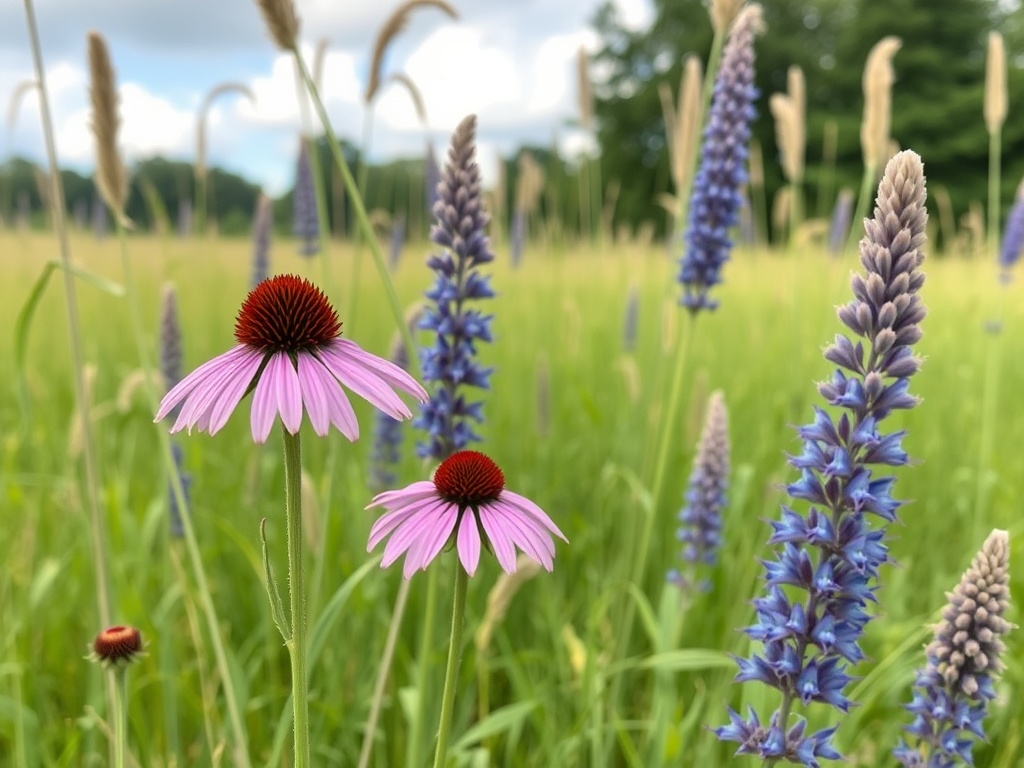
Prairie plants thrive in Midwest conditions.
Purple Coneflower
Classic pollinator favorite with purple petals.
Big Bluestem
Tall prairie grass that provides structure in the garden.
Wild Bergamot
A fragrant plant also known as bee balm.
Southwest Native Plants
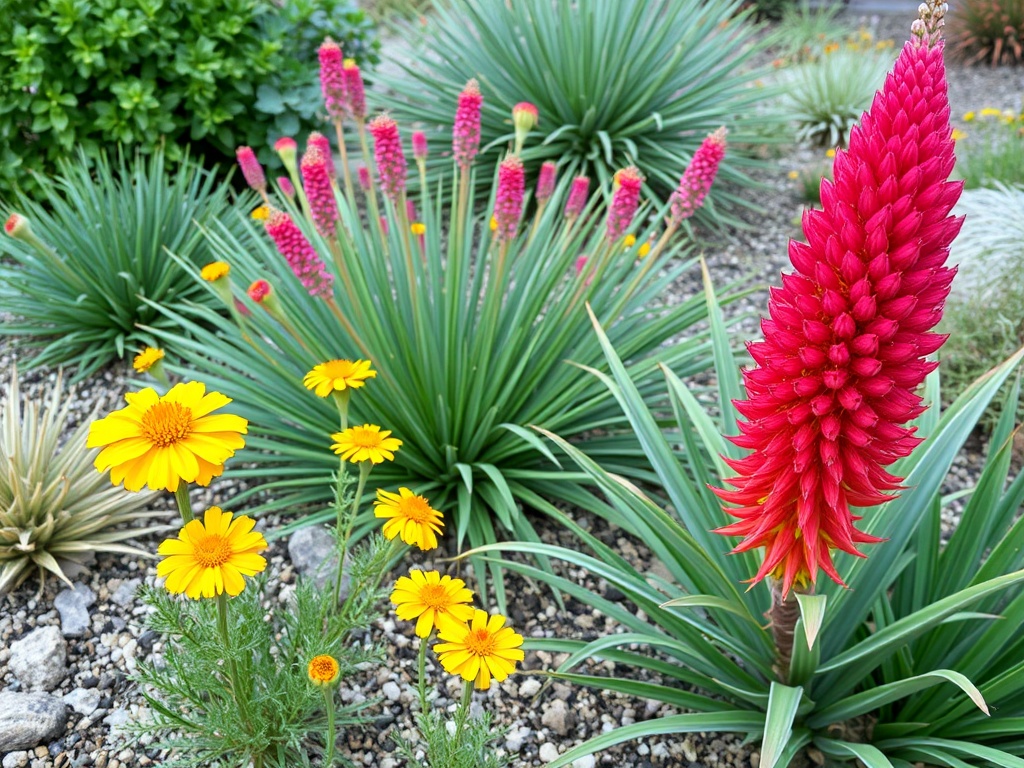
Hot, dry regions need drought-tolerant plants.
Desert Marigold
Bright yellow blooms that thrive in desert climates.
Red Yucca
Architectural plant with tall coral-colored flower spikes.
Penstemon
Flowering perennial loved by hummingbirds.
Pacific Northwest Native Plants
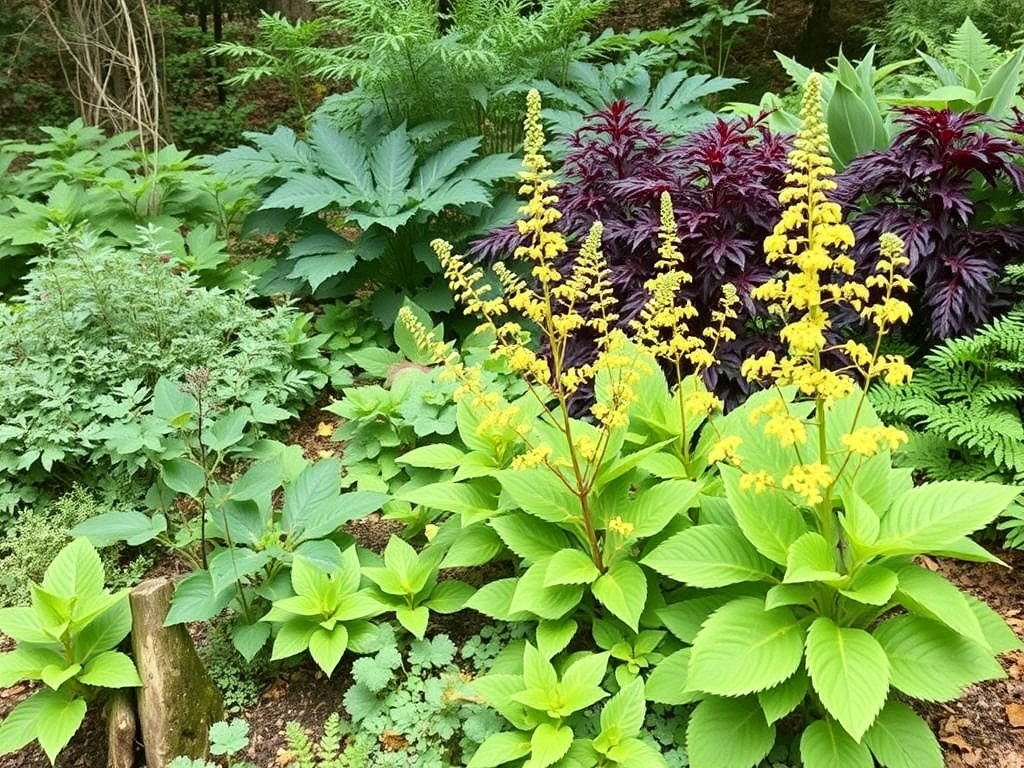
These plants thrive in cooler, wetter climates.
Oregon Grape
Evergreen shrub with yellow flowers and blue berries.
Salal
Dense groundcover commonly used in woodland gardens.
Red Flowering Currant
Beautiful spring-blooming shrub.
California Native Plants
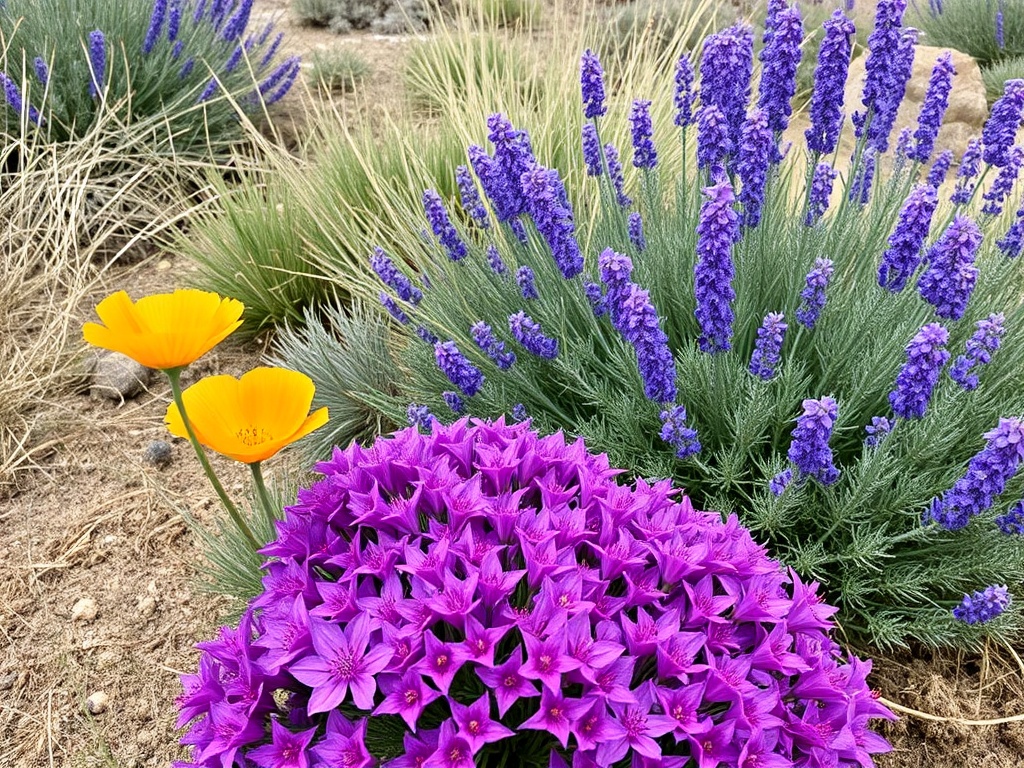
California has some of the most famous native plant species.
California Poppy
The state flower and extremely drought tolerant.
Manzanita
Beautiful sculptural shrub with smooth red bark.
Ceanothus
Also known as California lilac with stunning blue flowers.
Where to Buy Native Plants
If you want to order plants online, two reliable nurseries are:
• https://prairienursery.com
• https://highcountrygardens.com
But the best option is usually local native plant nurseries. Plants grown locally adapt better to your climate.
Planting Tips for Native Gardens
A few tips help native plants establish successfully.
Soil preparation
Loosen soil and remove turf before planting.
Spacing
Native plants often spread over time, so give them room.
Watering during establishment
Water regularly during the first growing season while roots develop.
After that, most native plants become very drought tolerant.
Supporting Pollinators
Native plants also help support beneficial insects.
Organizations like the Xerces Society provide great guides for pollinator-friendly landscapes:
Planting a mix of flowers that bloom at different times of year helps keep pollinators active in your yard.
Final Thoughts
Switching to native plants was one of the best landscaping decisions I’ve made.
The yard requires less watering, the plants stay healthier, and the garden is constantly buzzing with bees and butterflies.
If you want a backyard that looks good without constant maintenance, native plants are a great place to start.