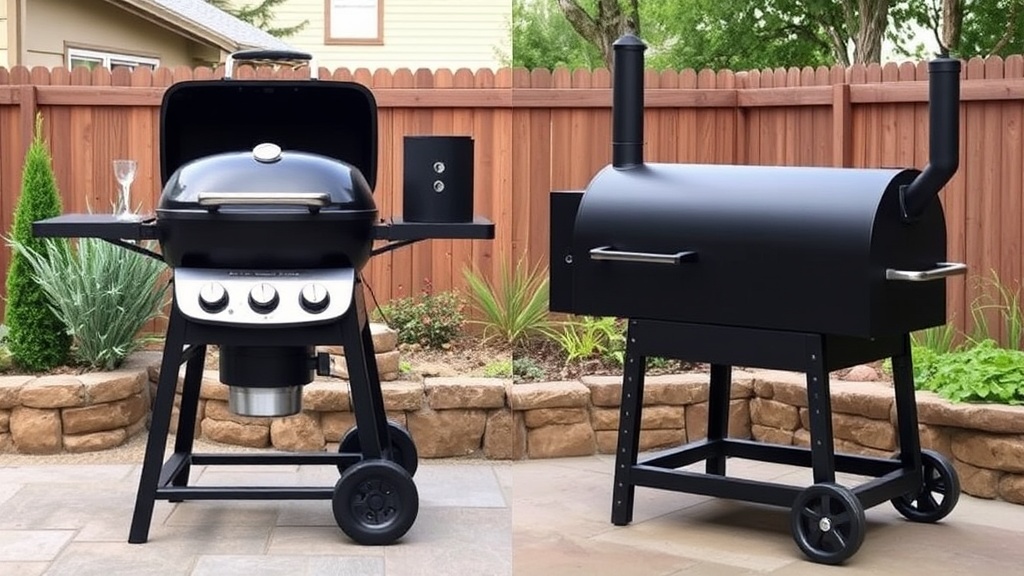
Charcoal vs Gas vs Pellet Grills: The Complete Breakdown

Alright, this is the grill debate that never ends.
Charcoal. Gas. Pellet.
If you hang around backyard cooks long enough, you’ll hear passionate arguments for all three. And honestly? They all have their place. I’ve owned each type and still keep more than one in the yard because they’re good at different things.
Sites like AmazingRibs.com have done a ton of deep dives into the science of grilling, and the more you cook outside the more you realize: the best grill depends on how you actually like to cook.
So let’s break this down the practical way.
Quick Comparison
| Grill Type | Flavor | Convenience | Cost | Temp Range | Smoke Flavor |
|---|---|---|---|---|---|
| Charcoal | ⭐⭐⭐⭐⭐ | ⭐⭐ | ⭐⭐⭐ | 200–700°F | ⭐⭐⭐⭐⭐ |
| Gas | ⭐⭐⭐ | ⭐⭐⭐⭐⭐ | ⭐⭐⭐⭐ | 300–650°F | ⭐⭐ |
| Pellet | ⭐⭐⭐⭐ | ⭐⭐⭐⭐ | ⭐⭐ | 180–500°F | ⭐⭐⭐⭐ |
Charcoal Grills
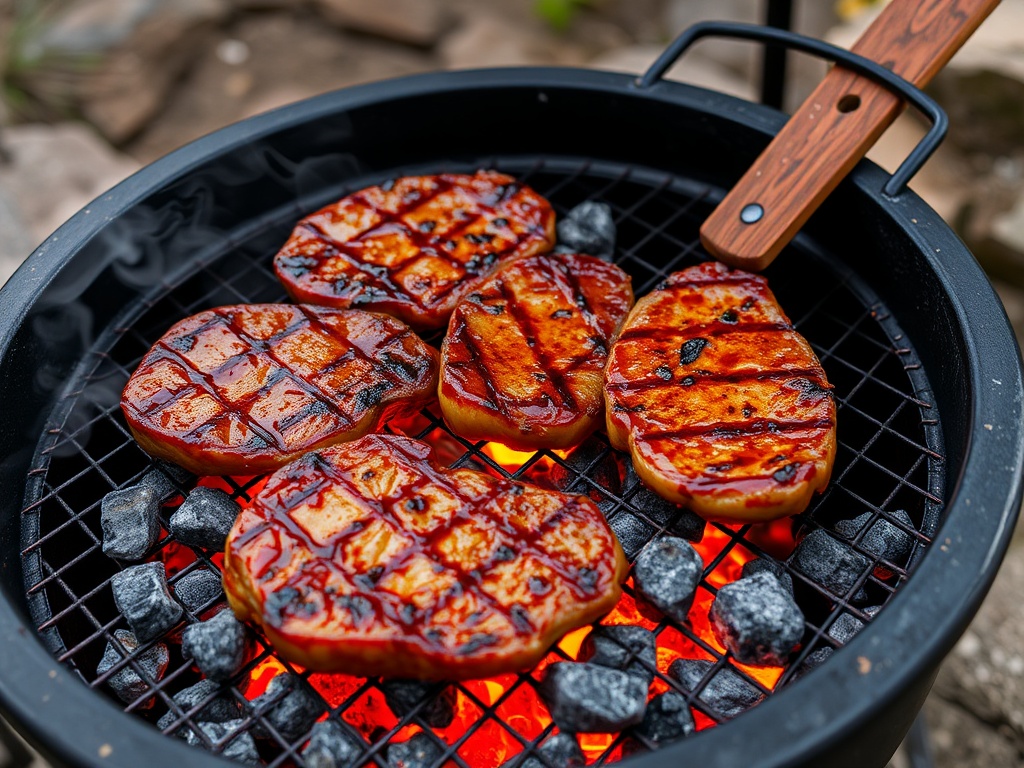
Charcoal is the classic backyard flavor.
When fat drips onto hot coals, it vaporizes and comes back up into the food. That’s where the deep grilled flavor comes from.
Two popular charcoal grills:
• Weber Kettle Original 22" (~$165) – https://weber.com
• Kamado Joe Classic III (~$2,000) – https://kamadojoe.com
Flavor profile
Charcoal produces the strongest grilled flavor. Nothing else quite replicates it.
Ease of use
This is where charcoal takes more practice. You manage airflow and coal placement to control temperature.
Startup time
Usually 15–25 minutes using a chimney starter.
Fuel cost
Charcoal typically runs about $1 per pound depending on brand.
Versatility
A good charcoal grill can:
• grill
• smoke
• roast
• sear at extremely high heat
Maintenance
Pretty simple:
• dump ash
• clean grates
Gas Grills
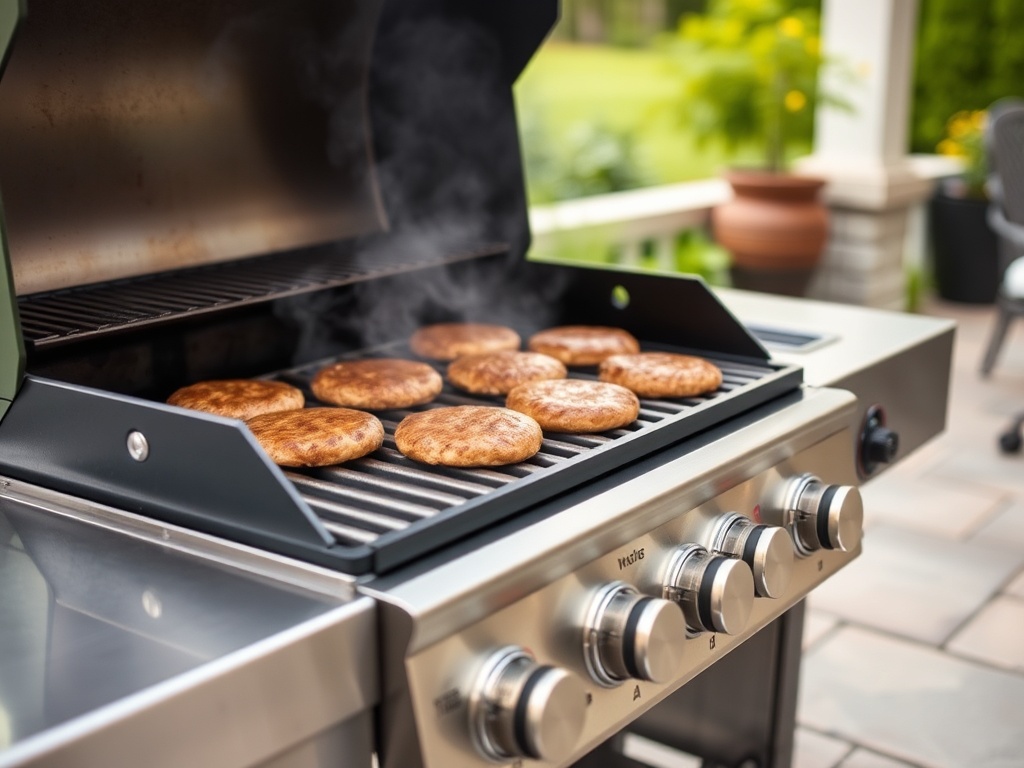
Gas grills are the kings of convenience.
Two popular examples:
• Weber Spirit II E‑310 (~$500) – https://weber.com
• Napoleon Prestige 500 (~$1,300) – https://napoleongrills.com
Flavor profile
Gas grills produce good grilled flavor but less smoke compared to charcoal.
Ease of use
This is their biggest strength.
Turn a knob, hit the igniter, and you’re cooking.
Startup time
Usually under 5 minutes.
Fuel cost
A 20‑lb propane tank costs about $15–$20 and usually lasts many cooks.
Versatility
Great for:
• burgers
• chicken
• weeknight grilling
Less ideal for long smoking sessions.
Maintenance
Gas grills require occasional burner cleaning and grease tray emptying.
Pellet Grills
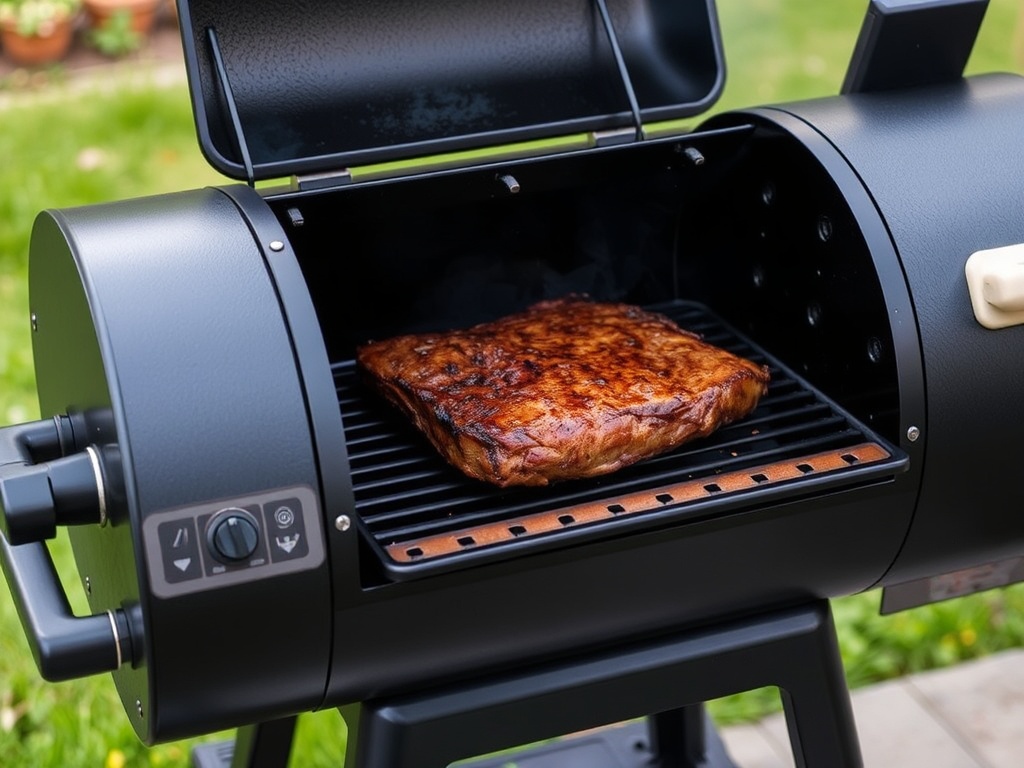
Pellet grills combine wood smoke flavor with digital temperature control.
Popular models include:
• Traeger Ironwood 650 (~$1,300) – https://traeger.com
• Camp Chef Woodwind WiFi 24 (~$800) – https://campchef.com
Flavor profile
Pellet grills produce a mild wood‑smoked flavor that’s great for barbecue.
Ease of use
Set a temperature and the grill feeds pellets automatically.
Startup time
About 10–15 minutes to heat up.
Fuel cost
Wood pellets usually cost $15–$20 for a 20‑lb bag.
Versatility
Excellent for:
• brisket
• ribs
• pork shoulder
• roasting
Not ideal for ultra‑high‑heat steak searing.
Maintenance
Requires occasional cleaning of:
• pellet hopper
• burn pot
• grease trays
Fuel Cost Comparison
| Fuel | Typical Price |
|---|---|
| Charcoal | ~$1 per pound |
| Propane | ~$15–$20 per 20 lb tank |
| Wood Pellets | ~$15–$20 per 20 lb bag |
Fuel cost differences are usually minor compared to grill purchase price.
Travis’s Honest Take
I keep all three types in my backyard, and each one gets used for different situations.
Charcoal is my favorite for steaks, burgers, and anything where flavor really matters.
Gas grills are unbeatable for weeknight dinners when you want food fast.
Pellet grills are incredible for long barbecue cooks like brisket and ribs.
Final Verdict
If you’re choosing just one grill, here’s the simple breakdown.
Charcoal: best flavor for grilling purists.
Gas: best for quick, convenient everyday cooking.
Pellet: best for low‑and‑slow barbecue with minimal babysitting.
And if you’re anything like me… eventually you end up owning more than one.