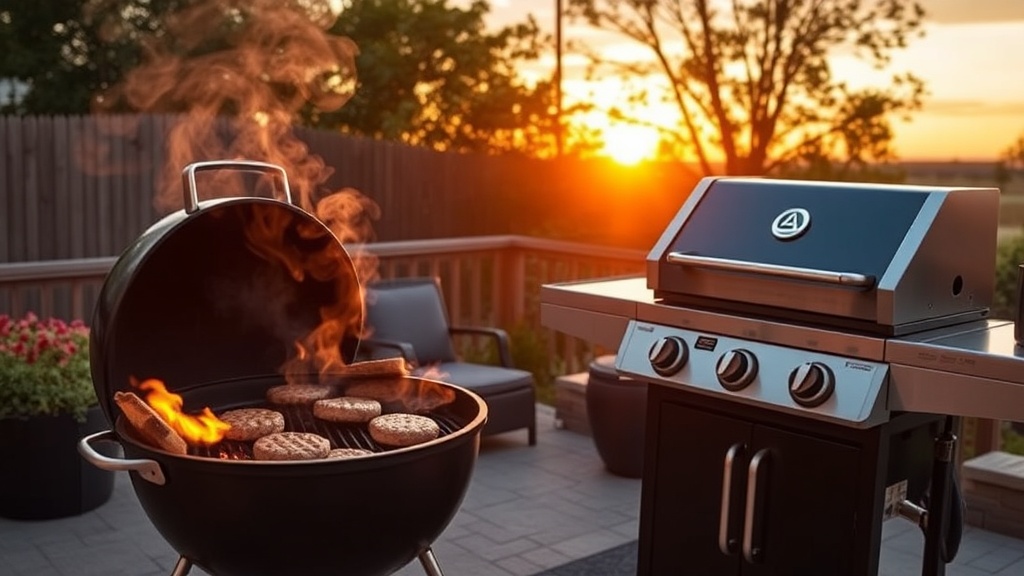
Charcoal vs Propane Grills: The Honest Backyard Comparison

Alright, let's settle a backyard debate that's been going on forever.
Charcoal vs propane grills.
Every time somebody buys a new grill this question pops up. Which one is better?
Here's the honest answer after years of cooking in the backyard: they're both good. They just solve different problems.
If you're cooking burgers on a Tuesday night after work, propane is hard to beat.
If you want serious flavor and that classic backyard barbecue vibe, charcoal wins every time.
Let me break it down the way I explain it to neighbors.
Flavor: Charcoal Wins
This one isn't even close.
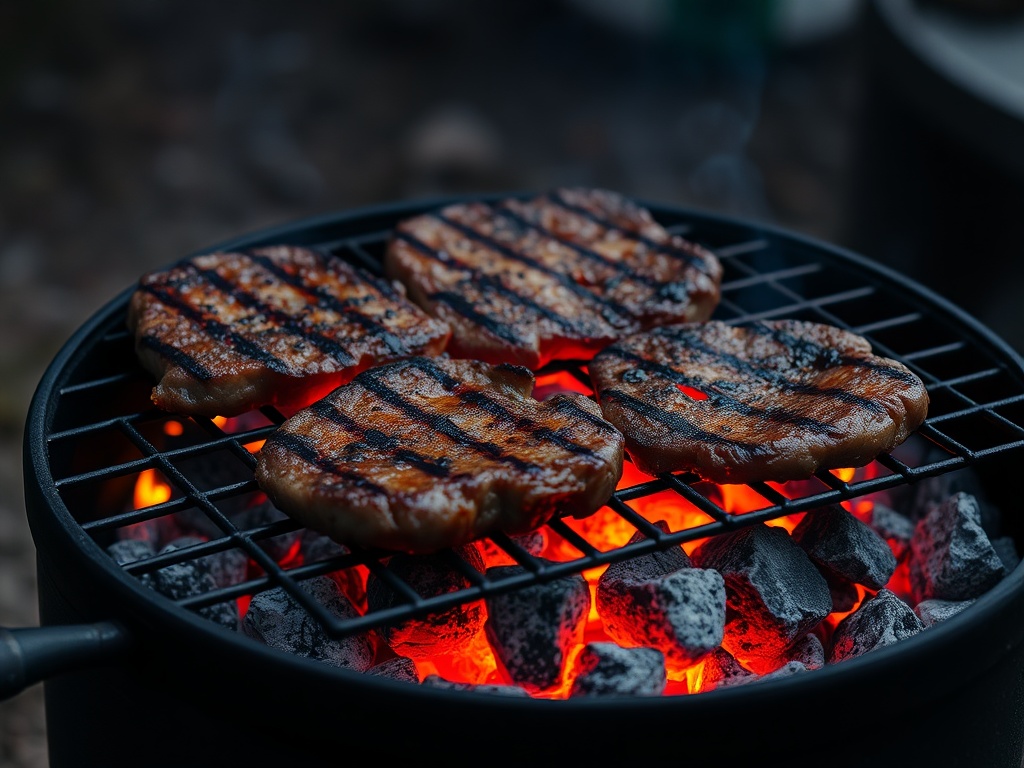
Charcoal grills create flavor because the drippings from the meat hit the hot coals and vaporize back up into the food.
That's the smell people think of when they say "backyard barbecue." It's real smoke and real combustion.
Gas grills heat food well, but they don't produce the same flavor because there's no charcoal fire underneath the food.
Can you make good food on propane? Absolutely.
But if you're chasing that deep grilled flavor, charcoal is the winner.
Convenience: Propane Wins
Now we flip the script.
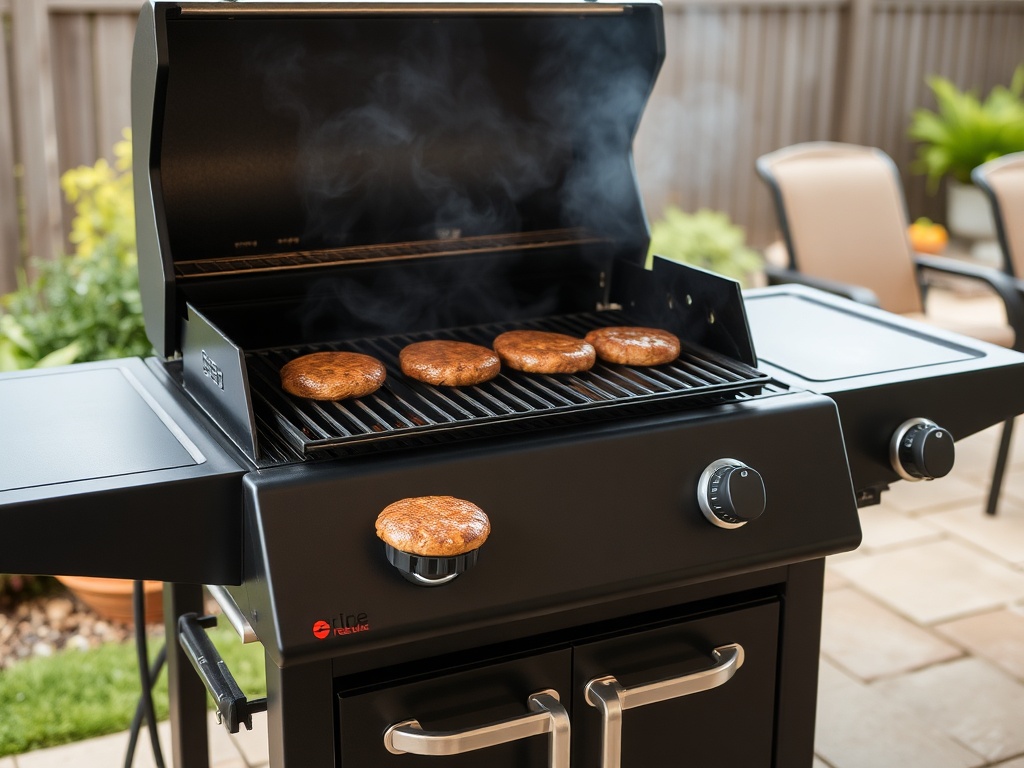
Propane grills are ridiculously convenient.
You turn the knob, press the igniter, and you're cooking in about five minutes.
Charcoal takes a little patience.
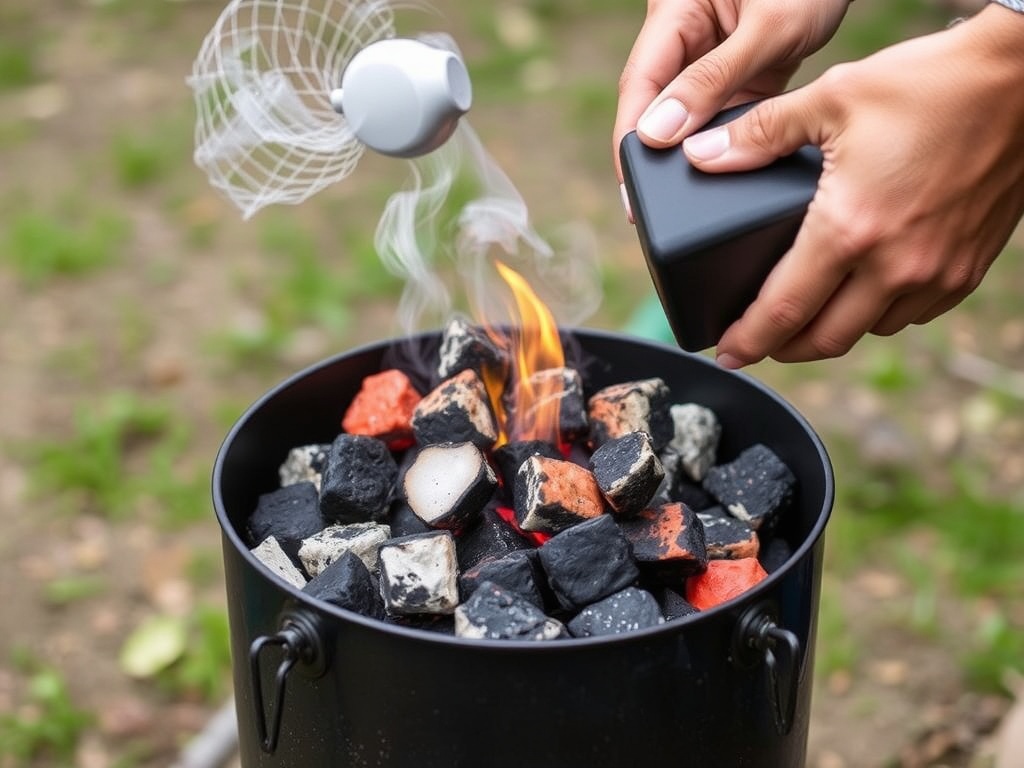
You need to light a chimney starter, wait for the coals to ash over, and manage the vents during the cook.
That's part of the fun for a lot of people—but if you're just trying to cook dinner fast, propane is way easier.
This is why so many families end up owning both.
Cost: Charcoal Usually Wins
Charcoal grills are usually cheaper to buy.
A classic 22-inch kettle grill often costs under $200 and will last for years.
Propane grills can get expensive quickly depending on burners and materials.
Operating cost is pretty similar long term. A bag of charcoal lasts several cooks, and propane tanks usually run multiple grilling sessions before needing a refill.
Where charcoal saves money is the initial purchase price.
Cooking Control
Both grill types can cook great food once you learn them.
Charcoal grills control heat using airflow and charcoal placement.
Gas grills control heat using burner knobs.
Gas is easier to learn. Charcoal takes a little practice but gives you more flexibility for things like indirect cooking and smoking.
A kettle grill can even double as a smoker if you set it up right.
My Honest Take
If you forced me to keep only one grill in my backyard, I'm keeping charcoal.
The flavor is better, the grills are simpler, and they can grill, smoke, and roast if you learn how to use them.
That said, propane grills are fantastic for quick weeknight cooking.
A lot of backyard cooks eventually land on the same setup:
• A charcoal grill for weekends and serious cooks
• A propane grill for fast weekday dinners
That's honestly the best of both worlds.
One Final Tip
Don't overthink the grill.
Good barbecue comes from heat control, patience, and decent ingredients.
You can cook incredible food on a $150 kettle grill if you learn how to use it.
And once you start cooking outside regularly, you'll wonder why you didn't do it sooner.