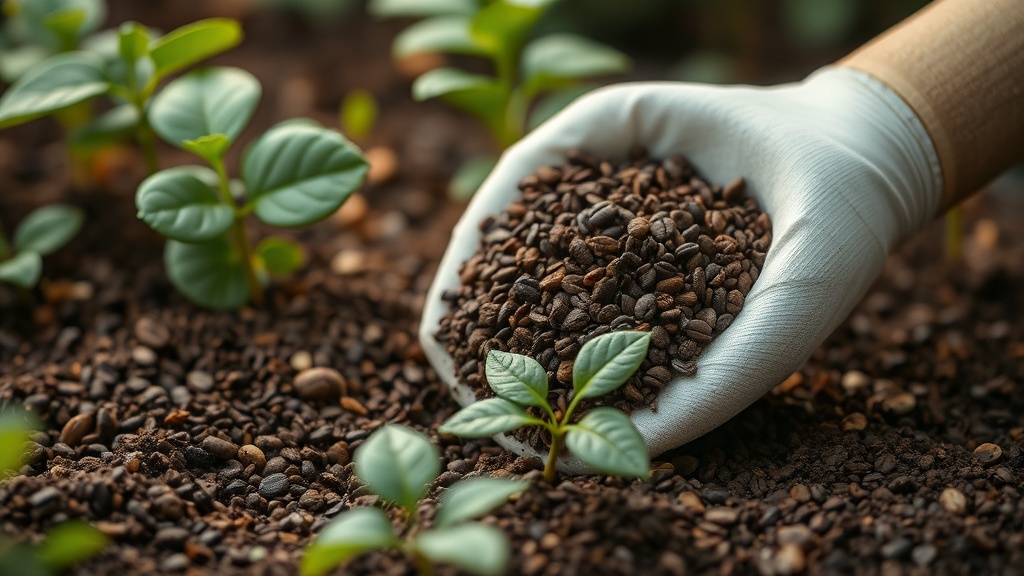
Coffee Grounds in the Garden: A Natural Fertilizer Boost

Quick Tip
Sprinkle used coffee grounds around acid-loving plants like tomatoes, blueberries, and roses to boost soil nitrogen and improve plant health naturally.
Don't Toss Those Grounds—Your Soil Wants Them
I've been composting since before it was trendy, and I've tried just about every kitchen scrap in the garden. Coffee grounds? They're gold. Not literal gold, but for a free resource most folks throw away, they deliver serious value. Here's how to put them to work.
Why Coffee Grounds Work
Used coffee grounds contain about 2% nitrogen by volume, plus measurable amounts of potassium and phosphorus. That's your N-P-K trifecta, the same stuff you pay for in bagged fertilizer. The nitrogen releases slowly as microorganisms break down the organic matter, which means no burning your plants with a sudden chemical dump.
The grounds also improve soil structure. Mix them into heavy clay and they help with drainage. Work them into sandy soil and they boost water retention. Plus, they attract beneficial microbes and earthworms—the unpaid labor that keeps your soil healthy.
How to Apply Them
Here's where folks mess up. You can't just dump a bucket of wet grounds around your tomatoes and call it a day. Too much of a good thing creates a water-repellent crust that locks out air and moisture.
- Compost them first: Add grounds to your compost pile at a ratio of about 20% coffee to 80% browns (leaves, paper, straw). This balances the carbon-nitrogen mix and prevents that slimy mat coffee can form.
- Side-dress established plants: Sprinkle no more than a half-inch ring around plants, keeping grounds an inch or two from stems. Scratch lightly into the soil surface.
- Mulch mix only: Never use coffee grounds as a standalone mulch. Blend with shredded leaves or wood chips at a 1:4 ratio.
What Grows Best With Coffee
Acid-loving plants thrive here. Blueberries, azaleas, rhododendrons, and camellias appreciate the slight acidity of fresh grounds. Tomatoes, peppers, and roses benefit from the nitrogen boost during their growing season.
One caveat: fresh grounds are more acidic than used grounds. If you're brewing at home, the used filter contents are closer to neutral pH—safe for most vegetables.
The Real Talk
"I collect five pounds of grounds weekly from the café down the street. That's 250 pounds of free fertilizer per year. My tomatoes have never looked better."
Most coffee shops will bag up spent grounds for free if you ask. Bring a clean five-gallon bucket, be polite, and you've got a season's worth of soil amendment without opening your wallet.
Start small, observe how your plants respond, and adjust. Gardening's about paying attention, not following rigid rules. Good luck out there.