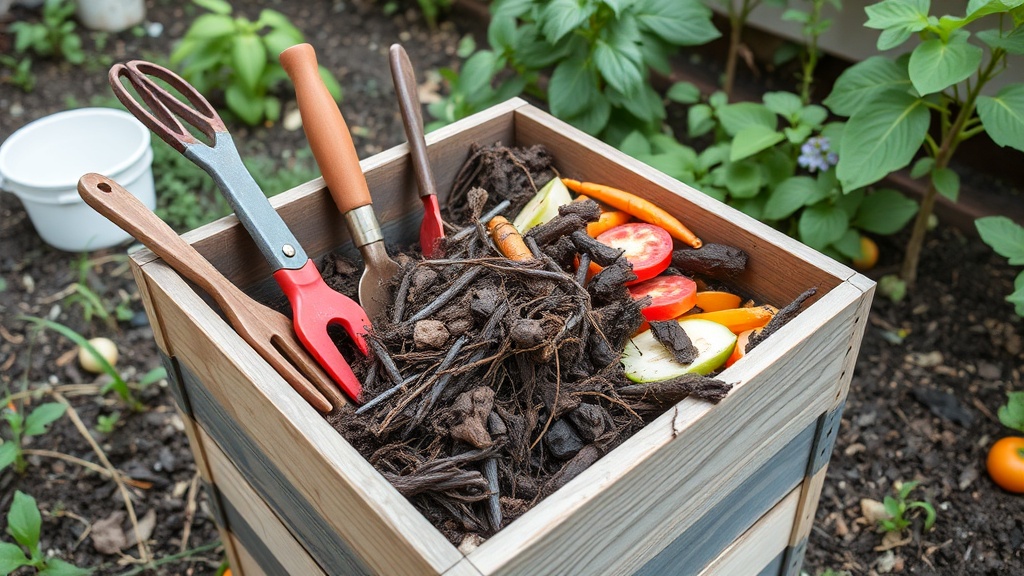
Composting for Beginners: How to Turn Kitchen Scraps Into Garden Gold

Alright, so here's the deal with composting.
A lot of people think it's some complicated gardening project that requires fancy bins and science experiments in the backyard.
It's not.
Composting is basically just letting nature break down organic stuff into really good soil. Leaves, food scraps, grass clippings — it all turns into rich compost that your garden loves.
Once you start doing it, you also realize how much stuff from the kitchen normally ends up in the trash.
Let me show you the simple way to get started.
What You Can Compost
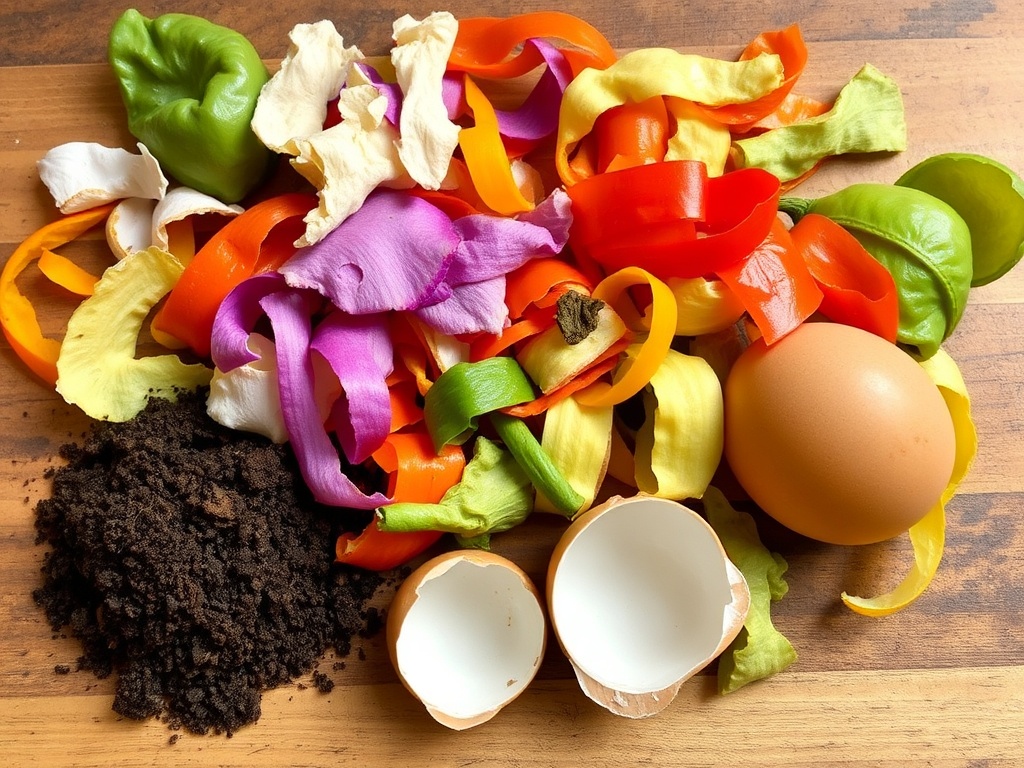
A good compost pile is a mix of "greens" and "browns".
Greens add nitrogen and help microbes break everything down. Browns add carbon and keep the pile balanced.
Greens (nitrogen):
• Vegetable scraps
• Fruit peels
• Coffee grounds
• Grass clippings
• Eggshells
Browns (carbon):
• Dry leaves
• Cardboard
• Paper towels
• Small sticks
• Straw
When you mix these together, the pile breaks down much faster.
What You Should NOT Compost
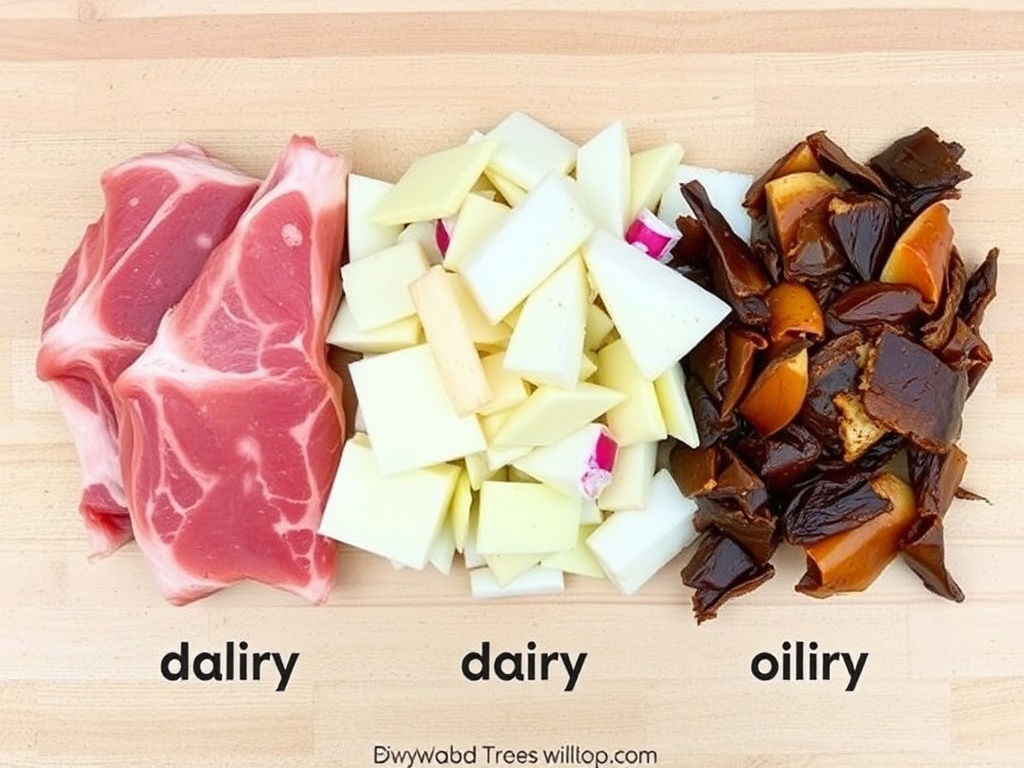
Some items cause smell problems or attract animals.
Skip these in backyard compost piles:
• Meat or fish
• Dairy products
• Greasy foods
• Pet waste
• Diseased plants
Those items are better handled by municipal composting systems, not backyard piles.
Compost Bin Options
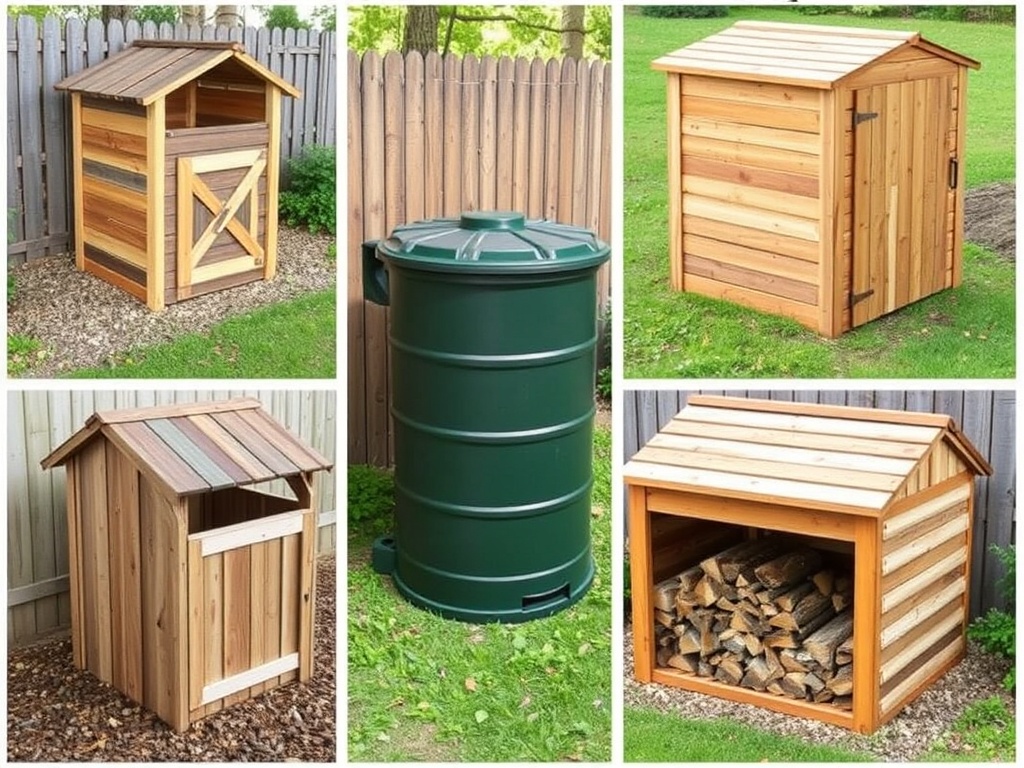
You don't need anything fancy to start composting.
Here are the most common setups.
Open compost pile
Just a small pile in the yard. Cheapest option but a little messy.
Wood compost bin
Simple box made from scrap lumber or pallets. Easy DIY weekend project.
Compost tumbler
A rotating bin that makes turning the compost easier. Costs more but works well in small yards.
Any of these can produce great compost.
How Long Composting Takes
This is the question everybody asks.
Under normal backyard conditions, compost usually takes 3–6 months to break down.
If you turn the pile regularly and keep it moist, it can happen faster.
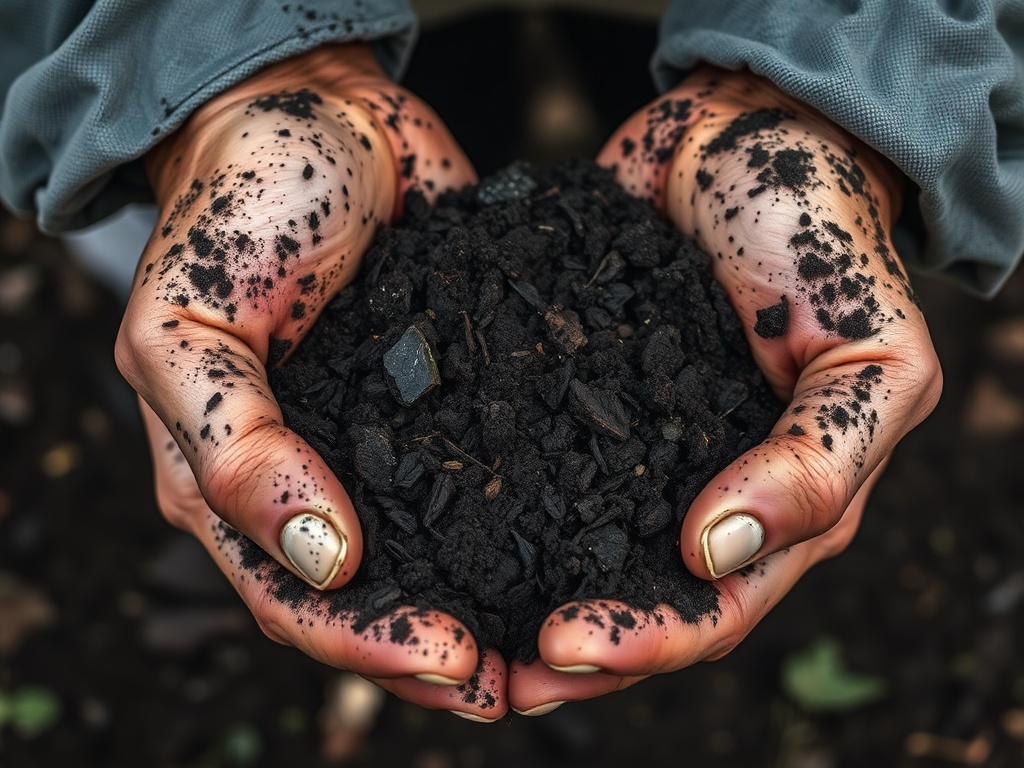
Finished compost looks like dark crumbly soil and smells earthy — not rotten.
Easy Composting Routine
Here's a simple routine that works for most people.
- Add kitchen scraps during the week
- Add dry leaves or cardboard occasionally
- Turn the pile every week or two
That's it.
Nature does most of the work.
Final Thoughts
Composting is one of those backyard habits that pays off over time.
Your garden soil gets better every season, plants grow stronger, and you send less waste to the landfill.
Plus once you see how good homemade compost is for vegetables and flowers, it's hard to stop.