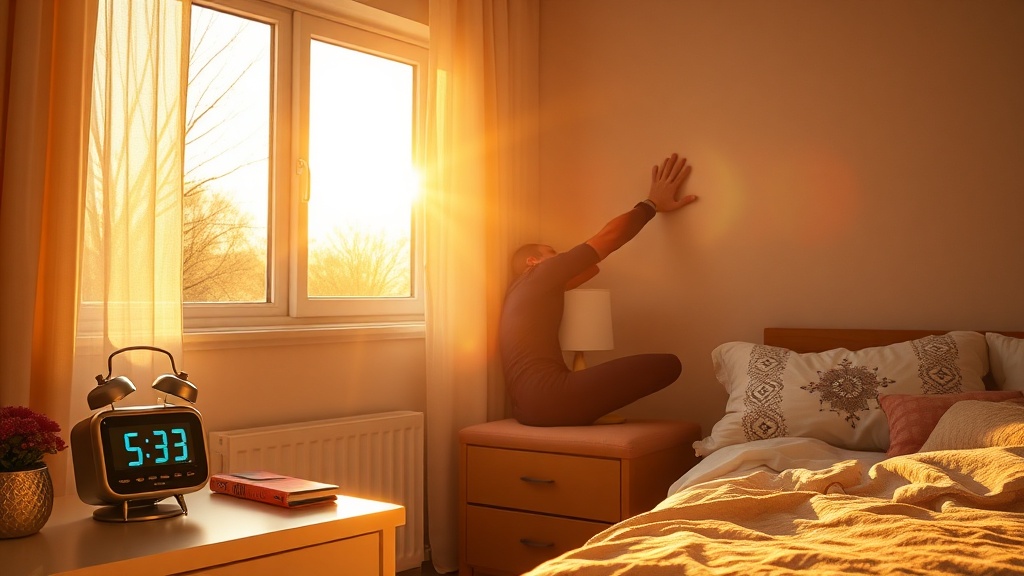
Daylight Saving Time Transition: Practical Tips for Adjusting Your Sleep Schedule

Did you lose an hour of sleep and feel like a zombie? The spring‑forward shift can throw your internal clock off balance, leaving you groggy, irritable, and less productive. The good news? You can reclaim your rest with a few proven tricks.
Why does the spring‑forward change matter?
Daylight Saving Time (DST) moves the clock ahead one hour, compressing your sleep window overnight. This abrupt shift disrupts your circadian rhythm, the body’s natural 24‑hour cycle that regulates sleep, hormones, and alertness. When the rhythm is out of sync, sleep hygiene suffers, leading to fatigue, mood swings, and even a dip in immune function.
How can I gradually shift my bedtime without losing sleep?
Answer: Start moving your bedtime and wake‑time by 10‑15 minutes each night, beginning three days before the DST change. This slow adjustment lets your body adapt without the shock of a full hour loss. Set a consistent alarm, even on weekends, to reinforce the new schedule.
What role does light exposure play in resetting my internal clock?
Answer: Light is the most powerful cue for the circadian rhythm. In the morning, open curtains or step outside for at least 20 minutes of natural sunlight. In the evening, dim lights and avoid screens at least an hour before bed. If natural light is limited, consider a light therapy box (400‑500 lux) for 20‑30 minutes after waking.
Which evening routines help me wind down faster?
Answer: Create a calming pre‑sleep ritual:
- Limit caffeine after 2 p.m.
- Swap screens for a book or gentle stretching.
- Keep the bedroom cool (around 65 °F/18 °C) and dark.
- Use a consistent cue, like a short meditation or a specific scent, to signal bedtime to your brain.
How can I use nutrition to support better sleep during the transition?
Answer: Eat a light dinner at least 2‑3 hours before bed. Include magnesium‑rich foods (spinach, almonds) or a small cup of herbal tea to promote relaxation. Avoid heavy, spicy meals that can disrupt digestion and keep you awake.
Should I adjust my home lighting to match the new schedule?
Answer: Yes. If you already enjoy circadian lighting in your home office, apply the same principle to your bedroom. Use warm, dimmable bulbs in the evening and brighter, cooler lights in the morning to reinforce the natural light cycle.
Quick‑Hit Checklist
- [+] Shift bedtime/wake‑time by 10‑15 min nightly (3 days before DST).
- [+] Get 20 min of morning sunlight or use a light box.
- [+] Dim lights and avoid screens after 9 p.m.
- [+] Keep bedroom cool, dark, and quiet.
- [+] Eat a light, magnesium‑rich dinner.
- [+] Add a calming pre‑sleep ritual (stretch, read, meditate).
Related Reading
- How to Use Circadian Lighting at Home — Learn how light color temperature can boost focus and sleep.
- Spring Forward: How Daylight Saving Time Impacts Your Backyard Routine — See how DST affects outdoor activities and energy use.
- Bio‑Harmony: Align Your Meals with Your Body Clock — Dive deeper into nutrition timing for optimal circadian health.
Takeaway
Adjusting to DST doesn’t have to be a nightmare. By nudging your schedule, soaking up morning light, dimming evening lights, and pairing a soothing bedtime routine, you’ll reset your circadian rhythm quickly and stay refreshed all season long.
<meta.faqs>
[
{"question": "How many minutes should I shift my bedtime each night?", "answer": "Aim for 10‑15 minutes per night, starting three days before the DST change."},
{"question": "Can a light therapy box replace sunrise exposure?", "answer": "Yes, a 400‑500 lux box for 20‑30 minutes after waking can effectively cue your circadian system when natural light isn’t available."},
{"question": "What foods support better sleep during DST?", "answer": "Magnesium‑rich foods like leafy greens, nuts, and seeds, plus a light herbal tea, can promote relaxation and improve sleep quality."}
]
</meta.faqs>