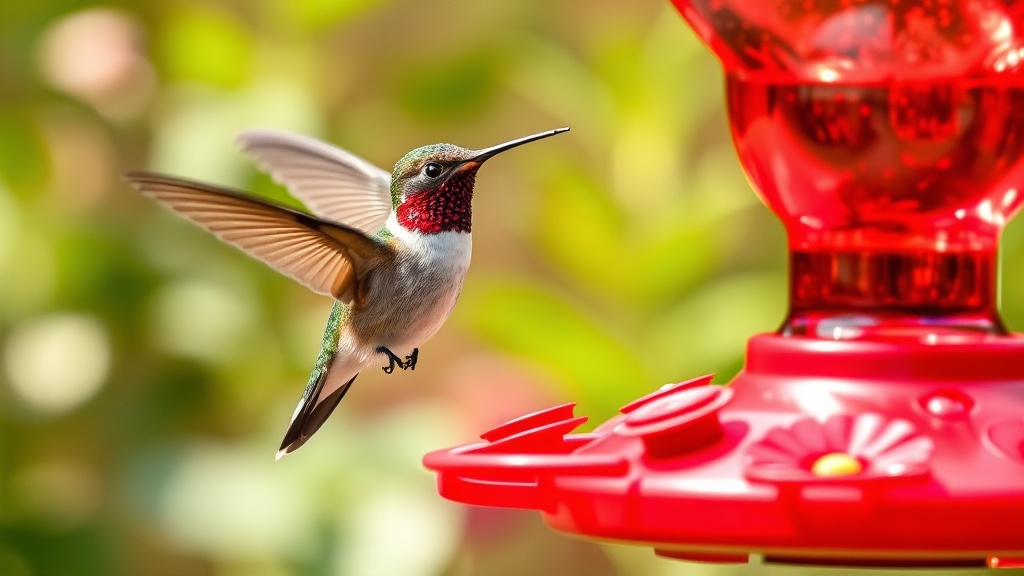
How to Attract Hummingbirds to Your Backyard (12 Proven Tips)

Alright, hummingbirds might be the coolest regular visitors in my backyard.
They show up like tiny fighter jets, hover in mid‑air, zip around the garden, and disappear again before you even realize what happened.
A few years ago I started putting feeders out and planting more flowers for them, and now I regularly see Ruby‑throated Hummingbirds from April through October.
At this point I’ve got six feeders around the yard, and they’re constantly buzzing around the patio and garden beds.
If you want to attract more hummingbirds to your yard, here are the things that actually work.
1. Choose a Good Feeder
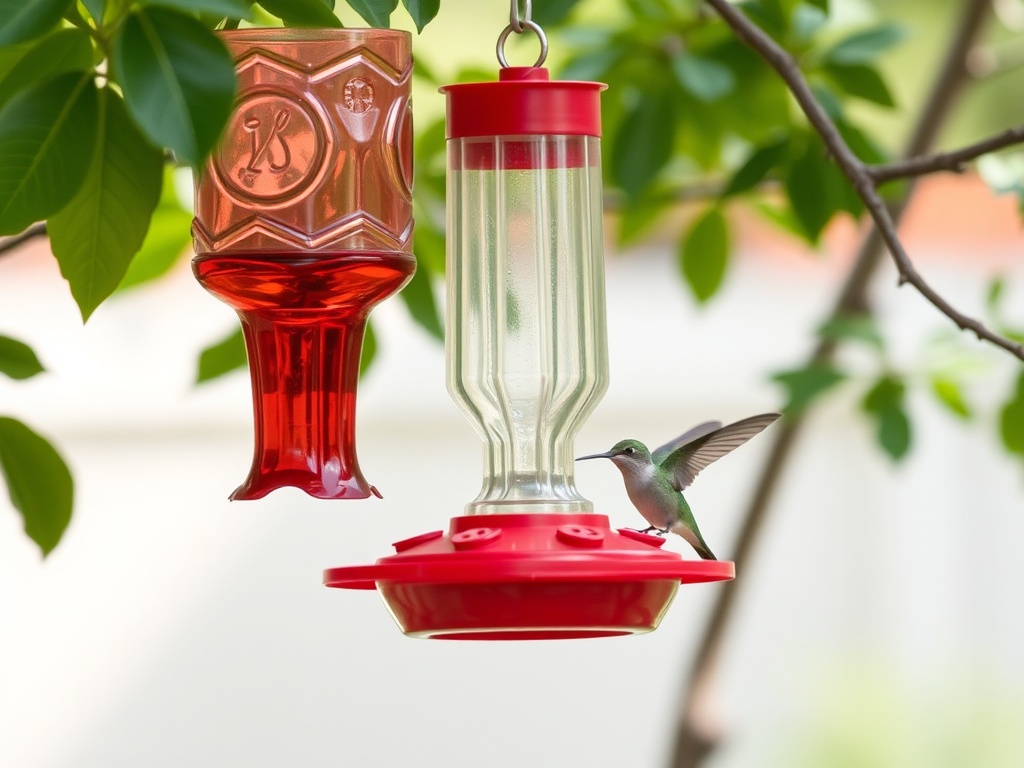
A reliable feeder makes a big difference.
One of the best beginner feeders is the Aspects HummZinger HighView (~$25 on Amazon).
Why I like it:
• easy to clean
• built‑in ant moat
• durable design
Simple feeders that come apart easily are much easier to maintain.
2. Make Your Own Nectar
Store‑bought nectar isn’t necessary.
The correct hummingbird nectar recipe is simple:
4 parts water : 1 part white sugar
Boil the water, dissolve the sugar, and let it cool.
Never add red dye.
The Audubon Society specifically recommends avoiding dye because it can harm birds:
The feeder itself provides the red color hummingbirds recognize.
3. Plant Red Tubular Flowers
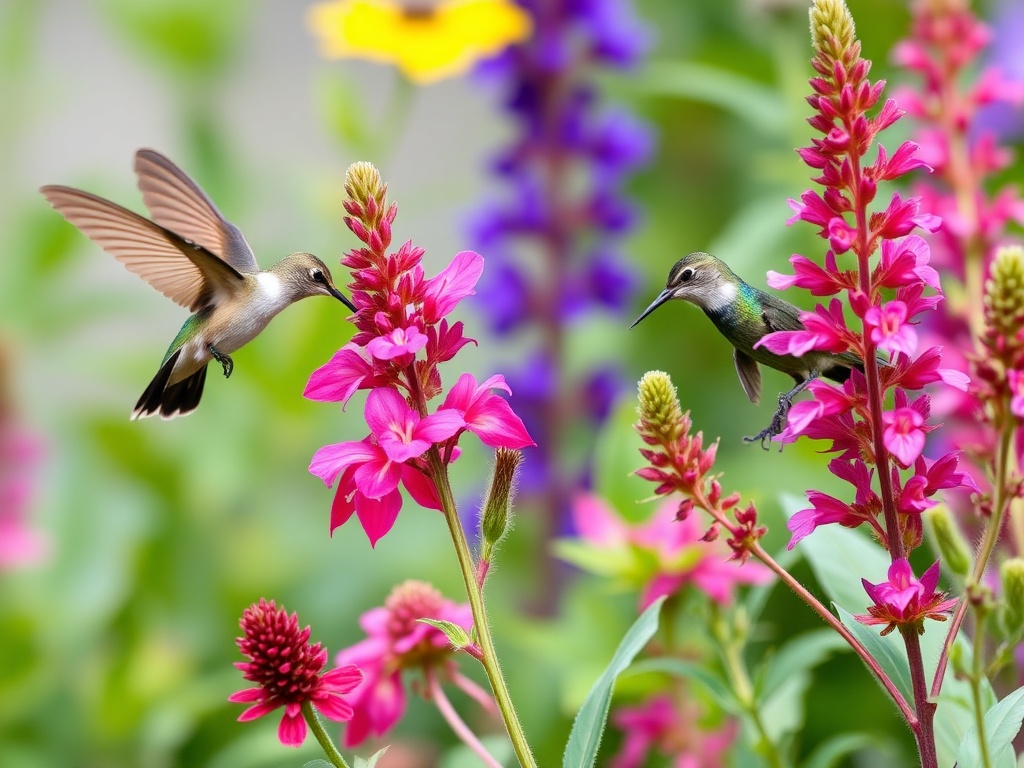
Hummingbirds are naturally drawn to red, tubular-shaped flowers.
Great plants include:
• Bee Balm
• Cardinal Flower
• Trumpet Vine
• Salvia
Planting these around your yard creates natural feeding spots.
4. Add a Misting Water Source
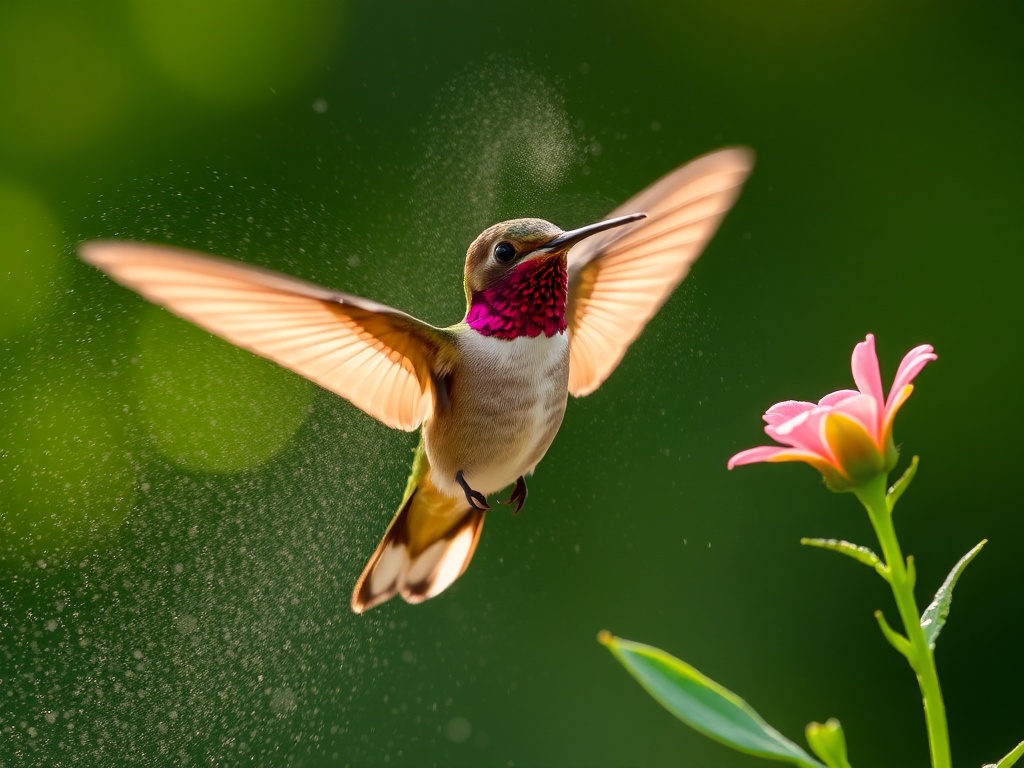
Hummingbirds love water — especially mist.
A simple hose‑mounted mister can create a tiny spray that birds fly through to bathe.
You’ll often see them hovering inside the mist for a quick shower.
5. Avoid Pesticides
Hummingbirds eat more than nectar.
They also feed on small insects for protein.
Using pesticides reduces the insects they rely on and can harm birds directly.
Keeping the yard chemical‑free helps wildlife thrive.
6. Place Feeders in Partial Shade
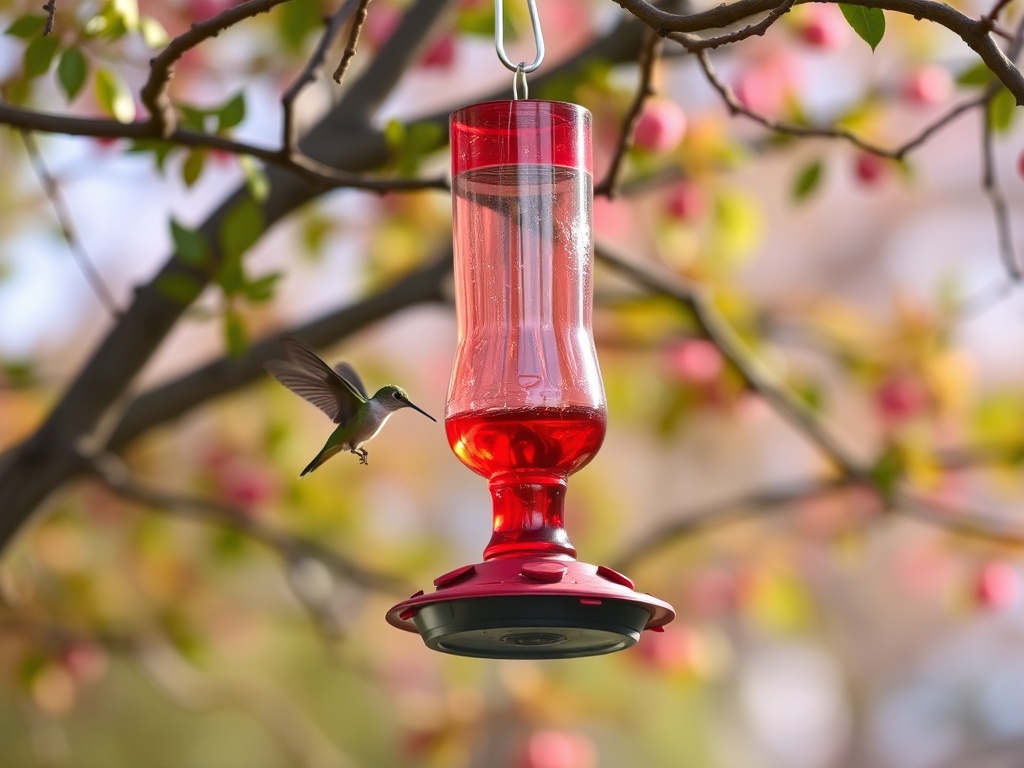
Direct sunlight can cause nectar to spoil quickly.
Placing feeders in partial shade helps keep nectar fresh longer.
7. Clean Feeders Frequently
This one matters a lot.
During hot summer weather, feeders should be cleaned every 3–5 days.
Warm temperatures cause nectar to ferment quickly.
A quick rinse with hot water usually does the trick.
8. Put Feeders Out Early
Hummingbirds migrate long distances and look for food as soon as they arrive.
Migration timing varies depending on region.
You can track migration using maps from:
Putting feeders out early helps traveling birds find your yard.
9. Use Multiple Feeders
Hummingbirds can be territorial.
If you only hang one feeder, a dominant bird might guard it.
Multiple feeders spaced around the yard allow more birds to feed.
10. Provide Perches
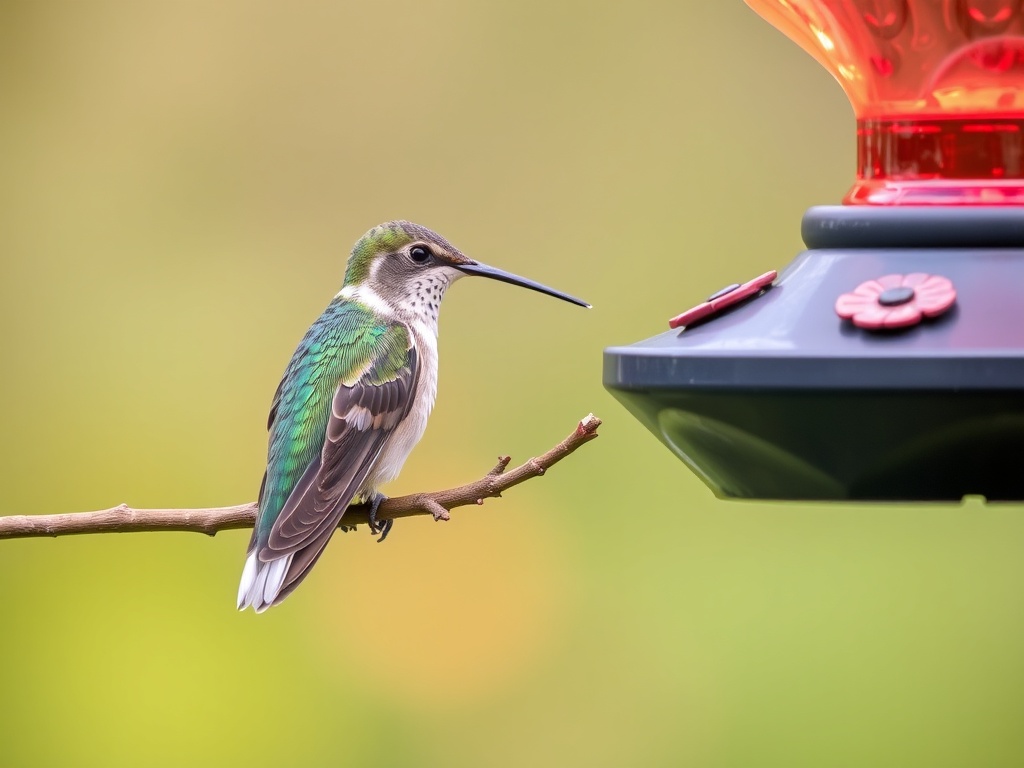
Hummingbirds spend a lot of time perched between feeding flights.
Small branches, garden stakes, or trellises near feeders give them places to rest.
11. Keep Cats Indoors
Outdoor cats are one of the biggest threats to backyard birds.
Keeping cats indoors protects hummingbirds and other wildlife visiting the yard.
12. Plant Native Flowering Shrubs
Native plants provide nectar and insects that hummingbirds depend on.
They also require less maintenance.
If you want to identify hummingbird species visiting your yard, the Cornell Lab of Ornithology has excellent guides:
Final Thoughts
Once hummingbirds discover your yard, they tend to return year after year.
Between feeders, flowers, and water, your backyard becomes a reliable stop on their daily routes.
And watching them zip around the garden never gets old.