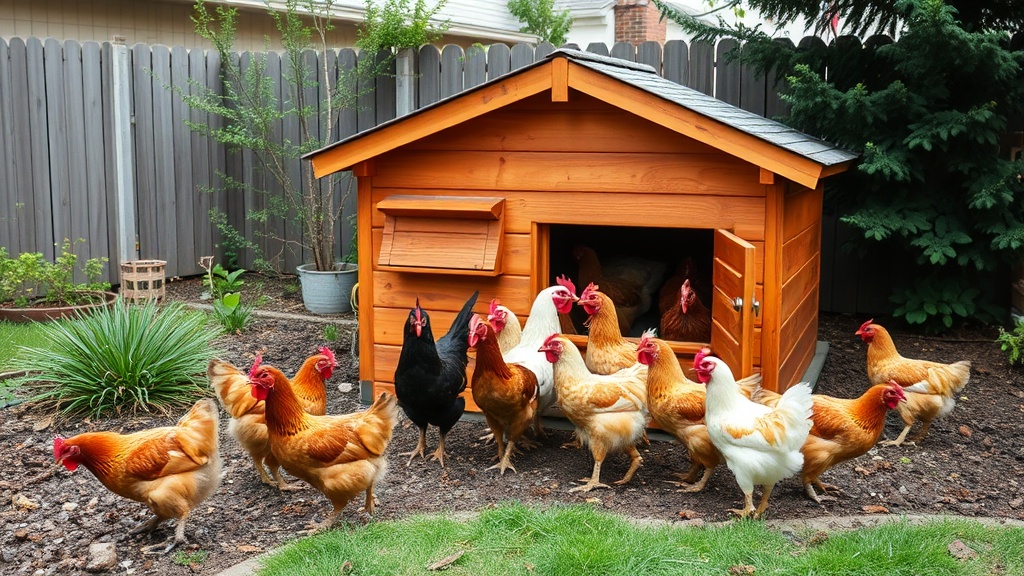
How to Build a Backyard Chicken Coop (Beginner-Friendly Guide)

Alright, raising backyard chickens has gotten really popular over the last few years.
Fresh eggs are great, chickens are surprisingly entertaining to watch, and they fit into a lot of suburban backyards if you set things up correctly.
But before bringing home a box of chicks, you need a solid coop.
A good chicken coop protects the flock from weather, keeps predators out, and gives the birds enough space to stay healthy.
Let’s walk through what actually matters when building one.
Step 1: Check Local Regulations First
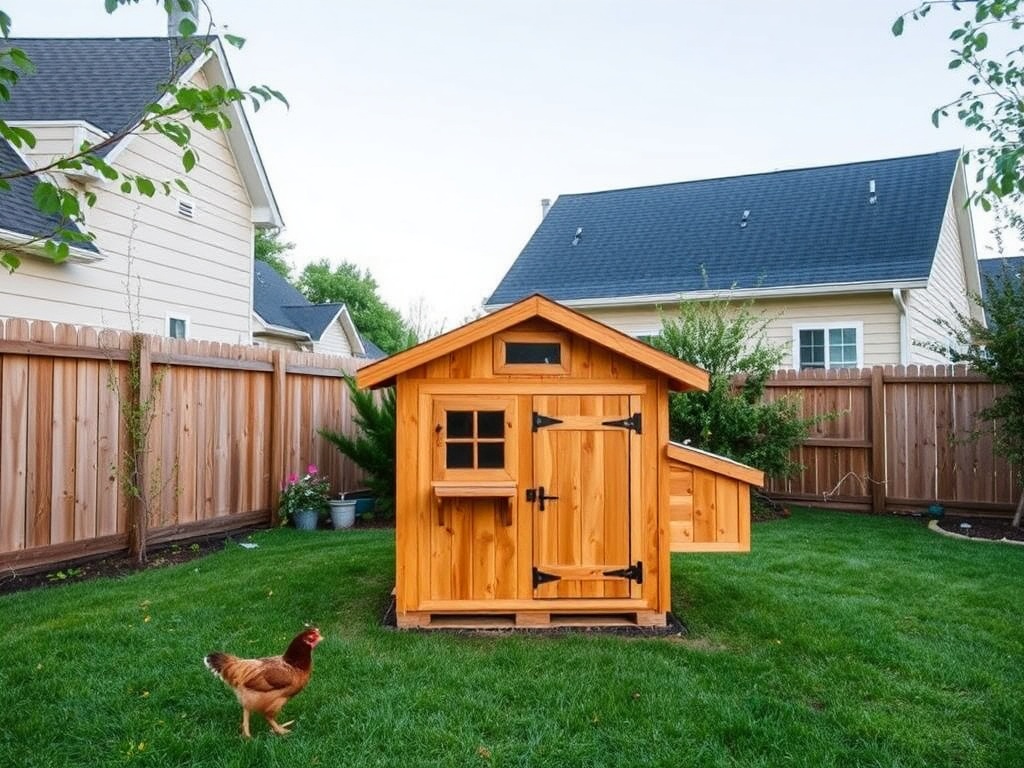
Before building anything, check your local rules.
Many cities allow backyard chickens, but there are usually limits such as:
• Maximum number of chickens
• Setback distances from property lines
• Restrictions on roosters
Some areas require a small permit as well.
Taking five minutes to check your local regulations saves a lot of headaches later.
Step 2: How Big Should the Coop Be?
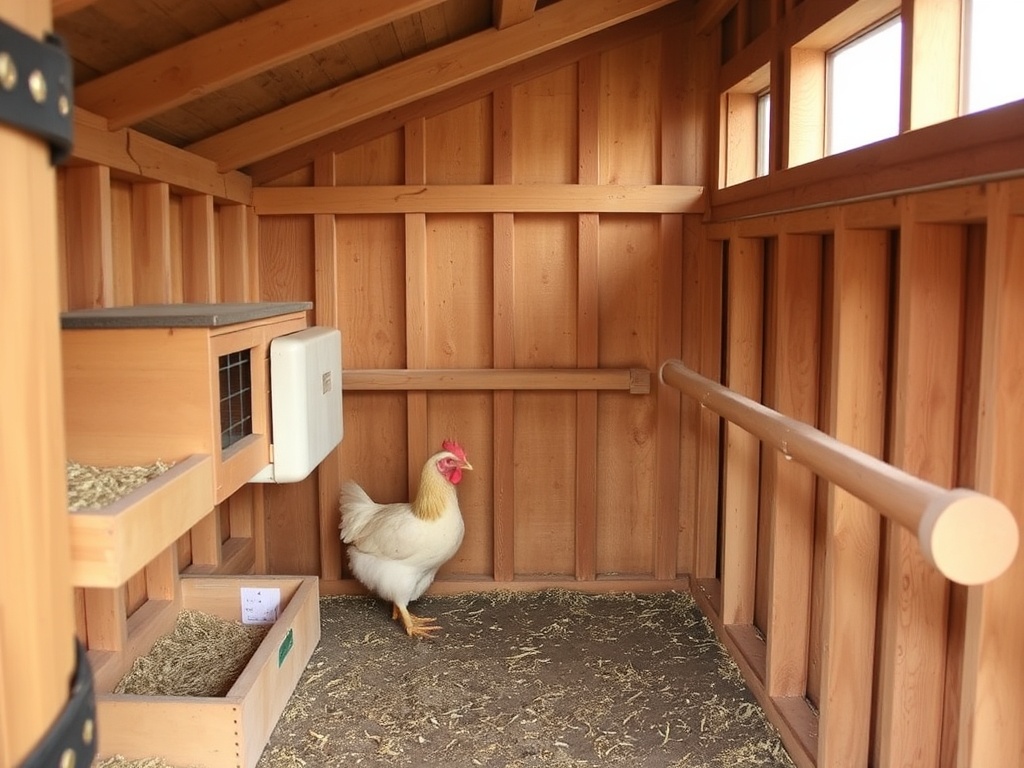
Chickens need space to stay healthy and avoid stress.
A good rule of thumb is:
• 4 square feet per chicken inside the coop
• 8–10 square feet per chicken in the outdoor run
Example flock sizes:
• 3 chickens → 12 sq ft coop
• 6 chickens → 24 sq ft coop
• 10 chickens → 40 sq ft coop
Giving birds enough space reduces fighting and keeps the coop cleaner.
Step 3: Basic Coop Design
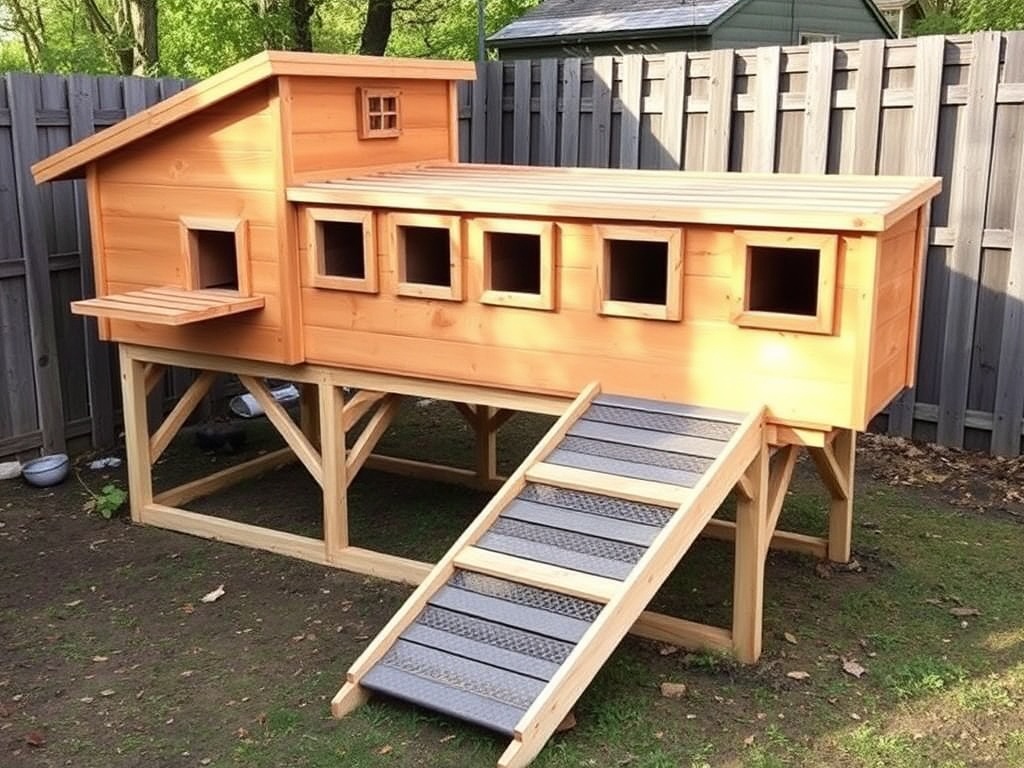
A simple coop usually includes a few key features:
• Raised wooden structure
• Nesting boxes for laying eggs
• Roosting bars for sleeping
• Ventilation openings
Raising the coop slightly off the ground helps keep moisture out and makes cleaning easier.
Most backyard coops also include a ramp leading to an outdoor run where chickens can move around during the day.
Step 4: Materials That Work Well
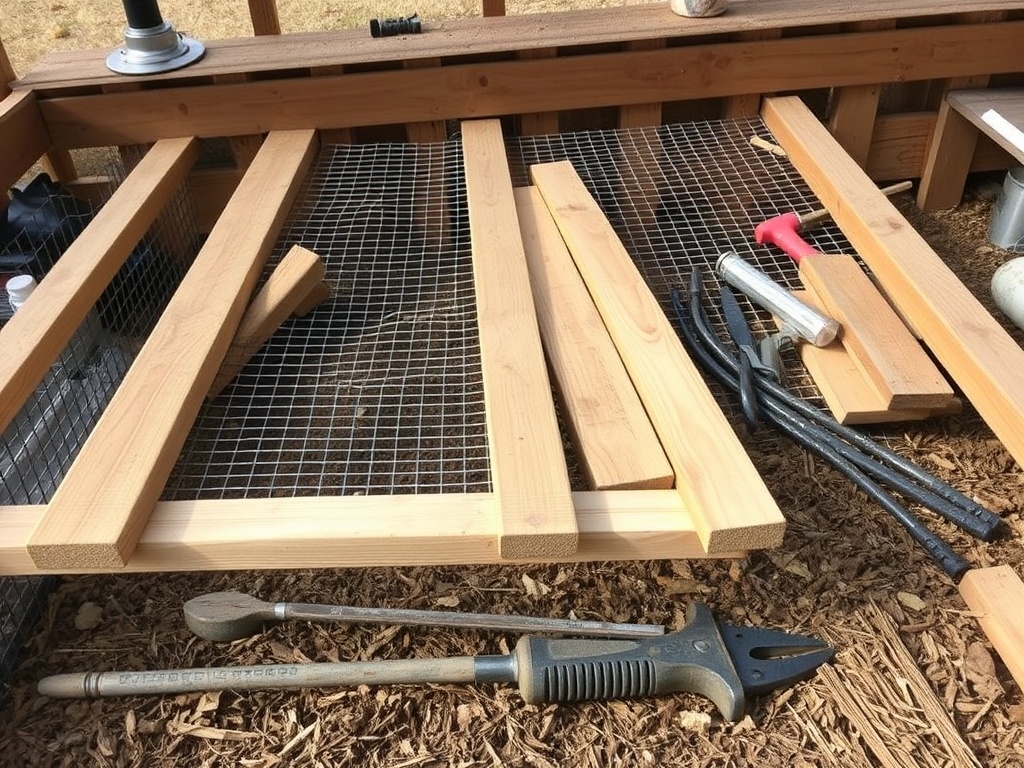
Most DIY coops are built with simple materials.
Common choices include:
• Pressure‑treated lumber for framing
• Exterior plywood for walls
• Hardware cloth for the run
• Asphalt shingles or metal roofing
Avoid regular chicken wire for predator protection. It's designed to keep chickens in — not predators out.
Step 5: Predator Protection
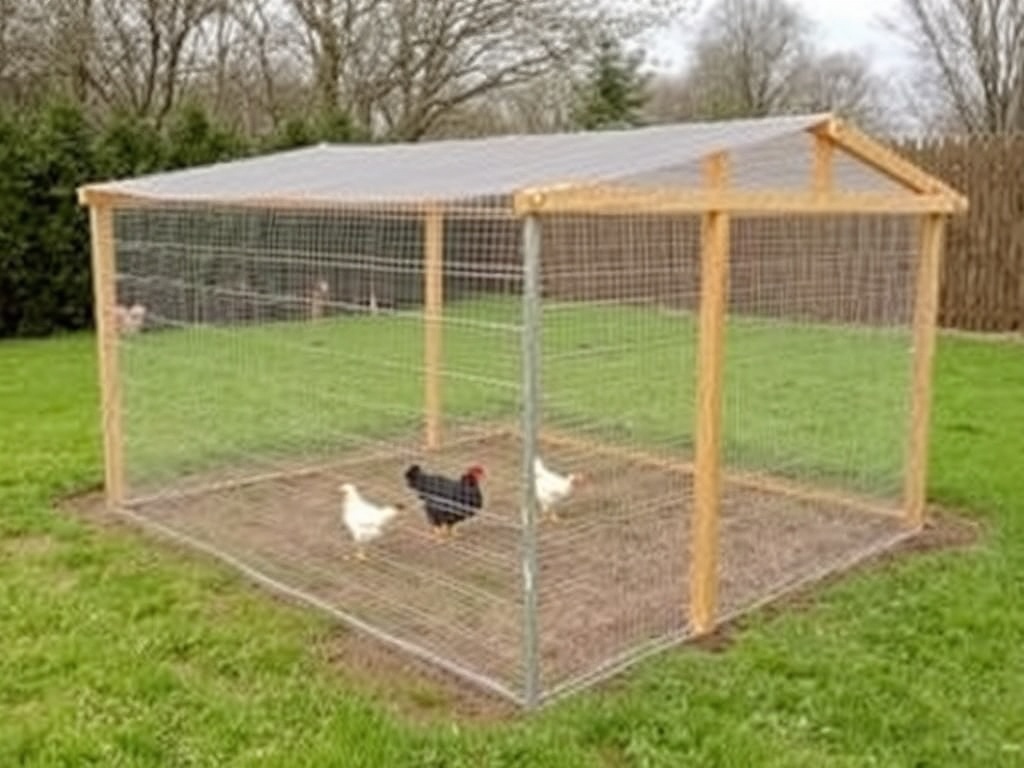
This is the part many beginners underestimate.
Raccoons, foxes, hawks, and even neighborhood dogs can attack chickens.
To protect the flock:
• Use hardware cloth instead of chicken wire
• Bury fencing 6–12 inches into the ground
• Install secure latches on coop doors
Predator‑proofing the coop from the start saves birds later.
Step 6: Ventilation Matters
Chickens produce moisture and ammonia inside the coop.
Without ventilation, the coop quickly becomes unhealthy.
Add small vents near the roofline so air can circulate without creating strong drafts at chicken level.
This keeps the coop dry and reduces odor.
Final Thoughts
Building a backyard chicken coop doesn't need to be complicated.
A simple structure with the right size, good ventilation, and strong predator protection will keep a small flock happy for years.
Once the coop is finished and the chickens start laying eggs, you'll probably wonder why you didn't start sooner.