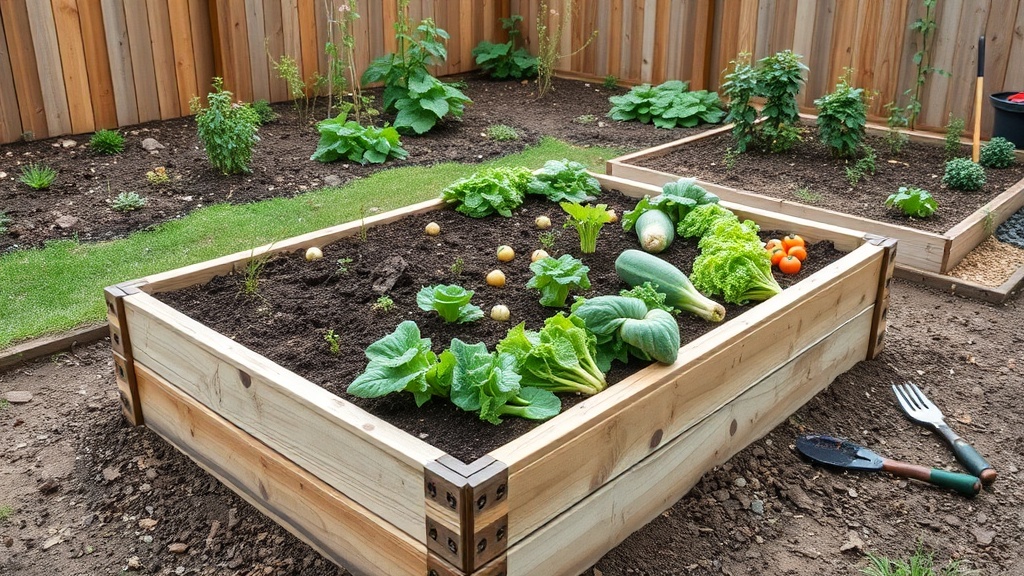
How to Build a Raised Garden Bed (Simple Weekend Project Guide)

Alright, so here's the deal with raised garden beds.
If you've ever tried planting straight into backyard soil, you already know the problem. Clay, rocks, weeds, bad drainage — it can be a mess.
A raised bed fixes almost all of that.
You control the soil, the drainage is better, and it's way easier to maintain. Plus it looks clean and organized in the yard.
The good news is this is a very doable weekend project. If you can use a drill and measure a board, you can build one.
Let me show you the simple setup I recommend for most backyards.
Materials You'll Need
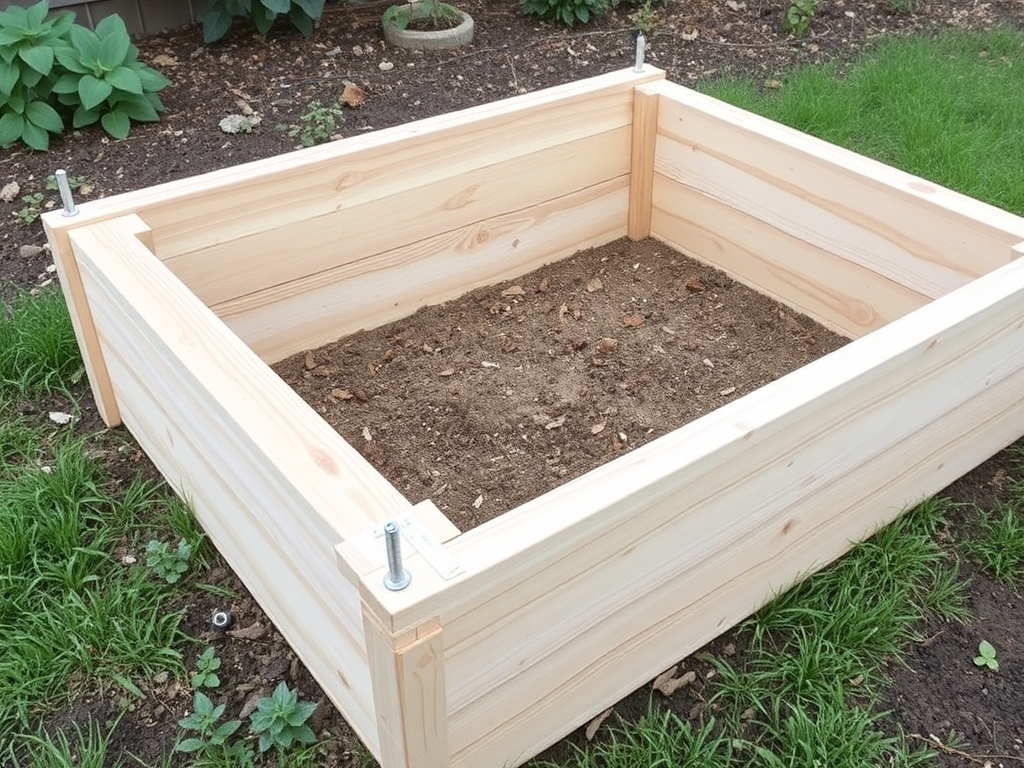
This is a basic, sturdy build using pressure‑treated lumber.
Materials:
• Two 2x10 boards (8 feet long)
• Two 2x10 boards (4 feet long)
• Eight 3" exterior deck screws
• Landscape fabric (optional)
• Garden soil mix
A standard 4 ft by 8 ft bed is perfect because you can reach the middle from either side without stepping in the soil.
Total lumber cost usually lands somewhere around $60–$90 depending on prices.
Step 1: Cut and Assemble the Frame
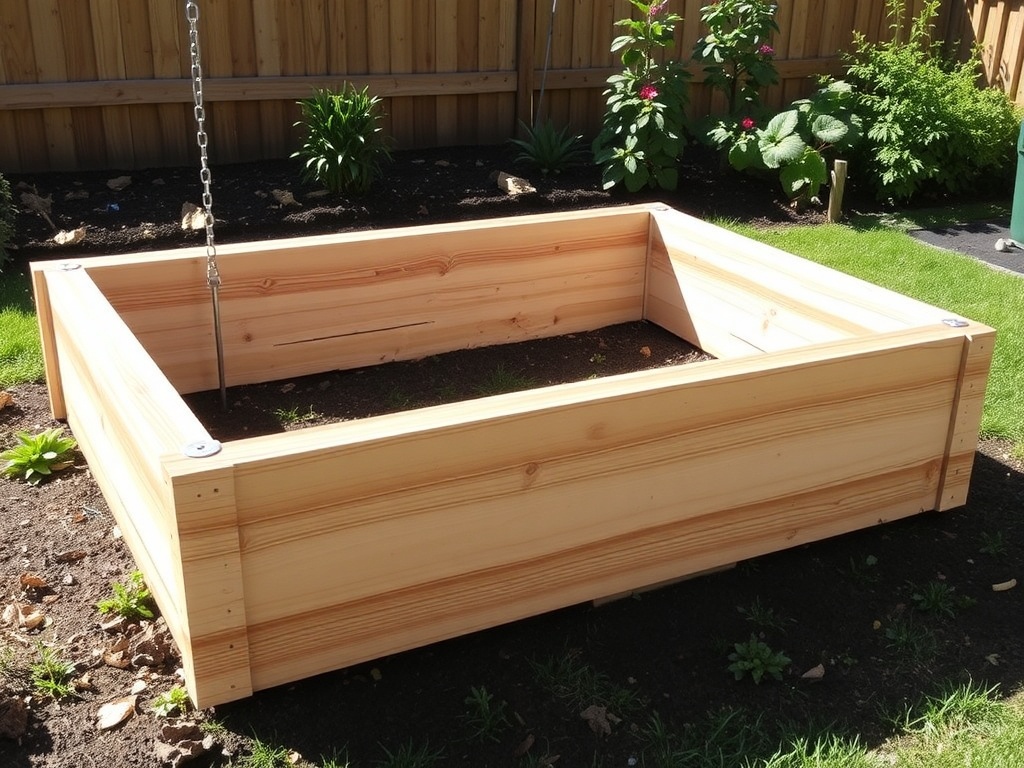
Lay the boards out in a rectangle.
Your two long boards go on the sides and the shorter boards close the ends.
Pre‑drill the corners and drive two deck screws into each joint.
That gives you a simple box frame.
If you want extra strength, you can add a short 4x4 block in each inside corner.
Step 2: Choose the Right Spot
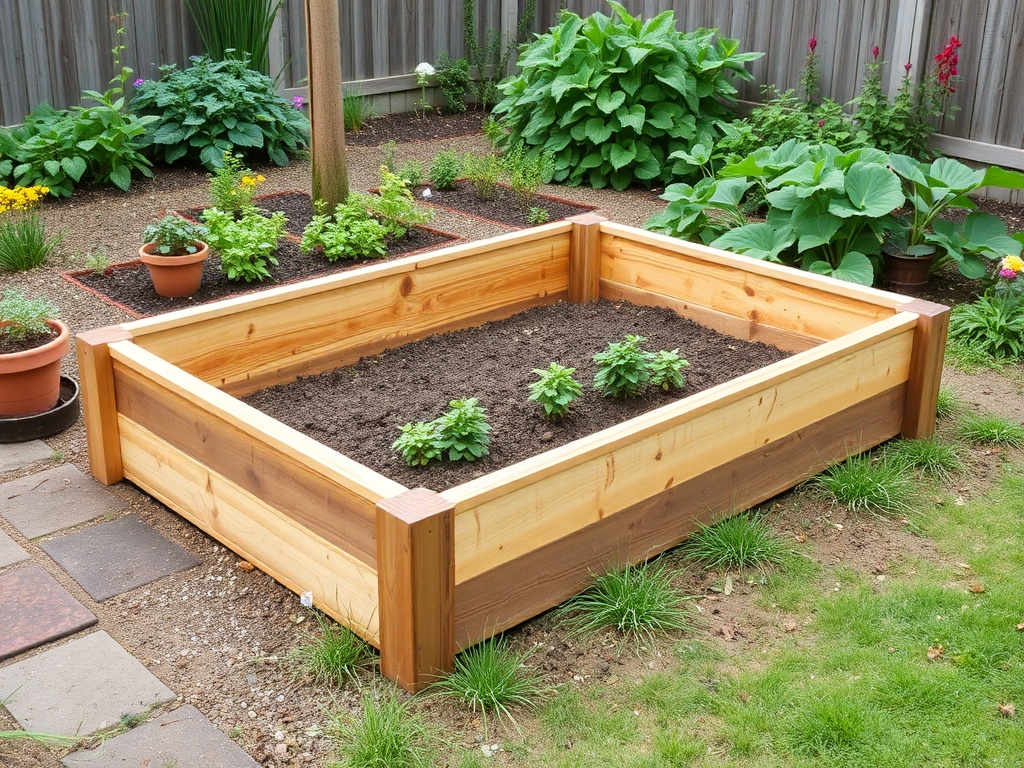
Vegetables love sunlight.
Try to place your bed somewhere that gets at least 6–8 hours of sun per day.
Level the ground before setting the frame down. It doesn't have to be perfect, but flatter is better.
Some people add landscape fabric under the bed to block weeds. It's optional but helpful.
Step 3: Fill It With the Right Soil Mix
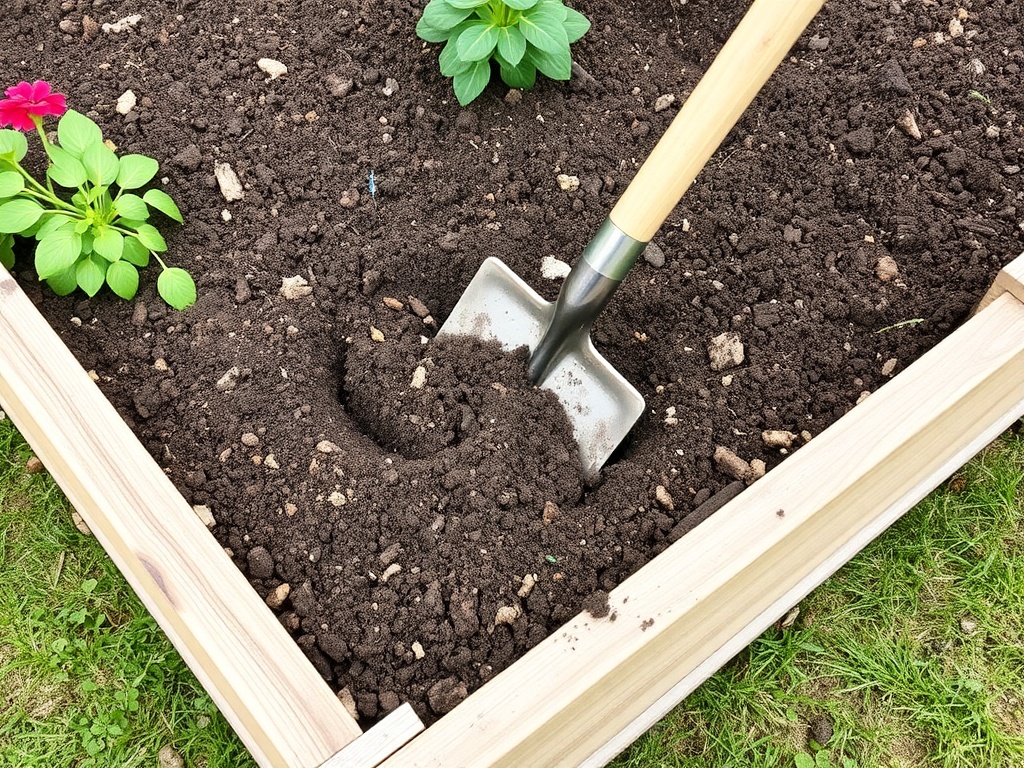
This is where raised beds really shine.
Instead of fighting poor soil, you start with a good mix.
A simple formula that works great:
• 40% compost
• 40% topsoil
• 20% peat moss or coco coir
Mix it together as you fill the bed.
This creates loose soil that drains well and holds nutrients for plants.
Step 4: What to Plant First
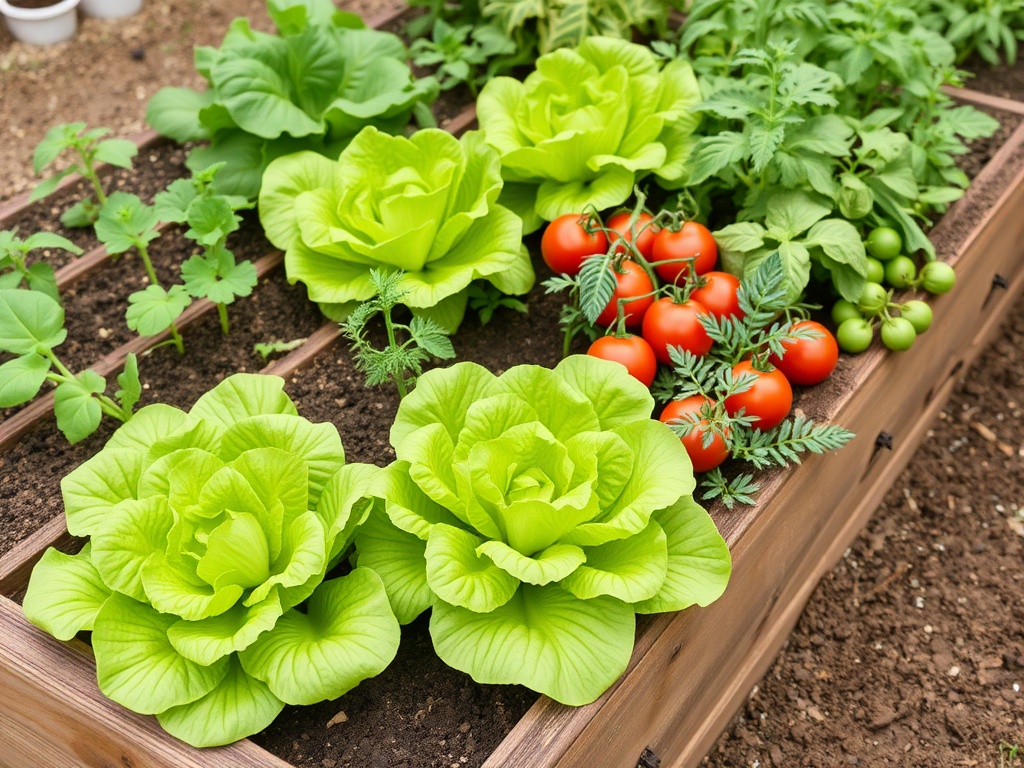
If you're new to gardening, start with plants that grow easily.
Great first choices include:
• Lettuce
• Cherry tomatoes
• Peppers
• Basil
• Green beans
These plants grow quickly and give you a nice early win.
Once you see things growing, it's addictive.
Helpful Tips
Water raised beds regularly. Because the soil drains well, they dry out faster than ground gardens.
Adding mulch on top of the soil helps retain moisture and suppress weeds.
And don't overcrowd plants — give them space to grow.
Final Thoughts
Raised garden beds are one of those backyard projects that pay off for years.
You build it once, and every season you get fresh vegetables out of it.
Plus they make your yard feel a little more alive.
Take your time, measure twice, and you'll end up with a solid bed ready for planting by the end of the weekend.