How to Install a French Drain in Your Yard (Step-by-Step)

Alright, if you’ve ever had a section of your yard that turns into a swamp every time it rains, you know how frustrating drainage problems can be.
For years I had a strip of lawn along my back fence that stayed soggy for days after a storm. Grass wouldn’t grow, the mower sank into the mud, and it basically looked like a small marsh.
Eventually I installed a French drain back there and it completely solved the problem.
If you’re dealing with standing water or runoff near your house, a French drain is one of the most effective fixes you can install yourself.
Let me walk you through the process.
What Is a French Drain?
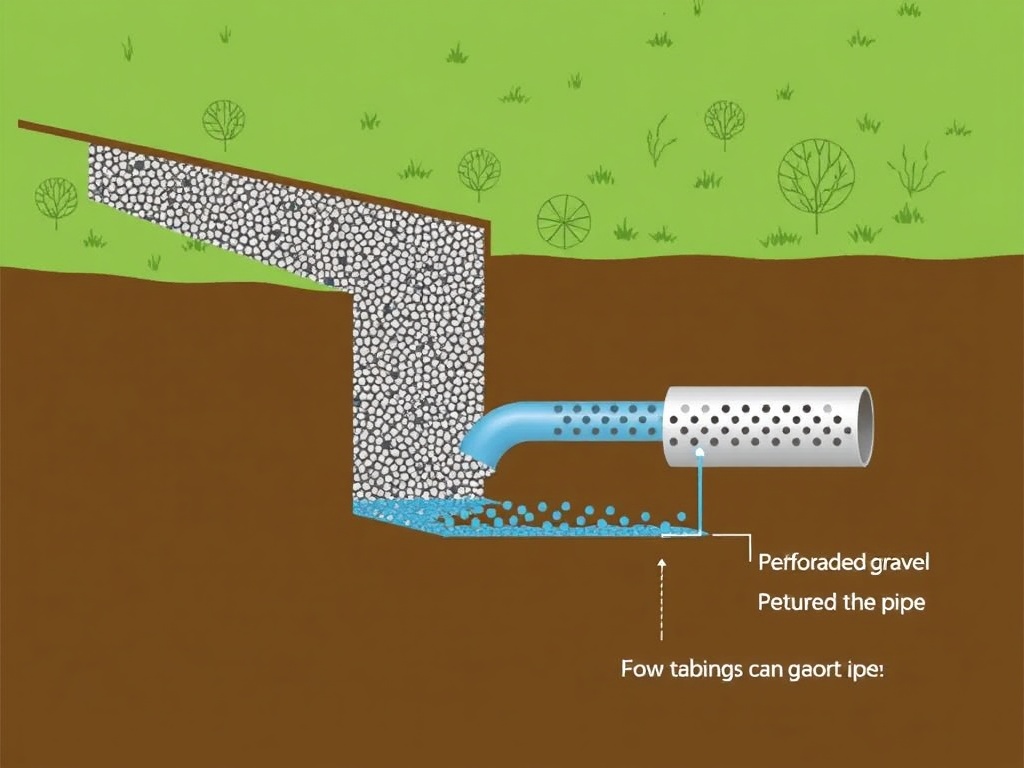
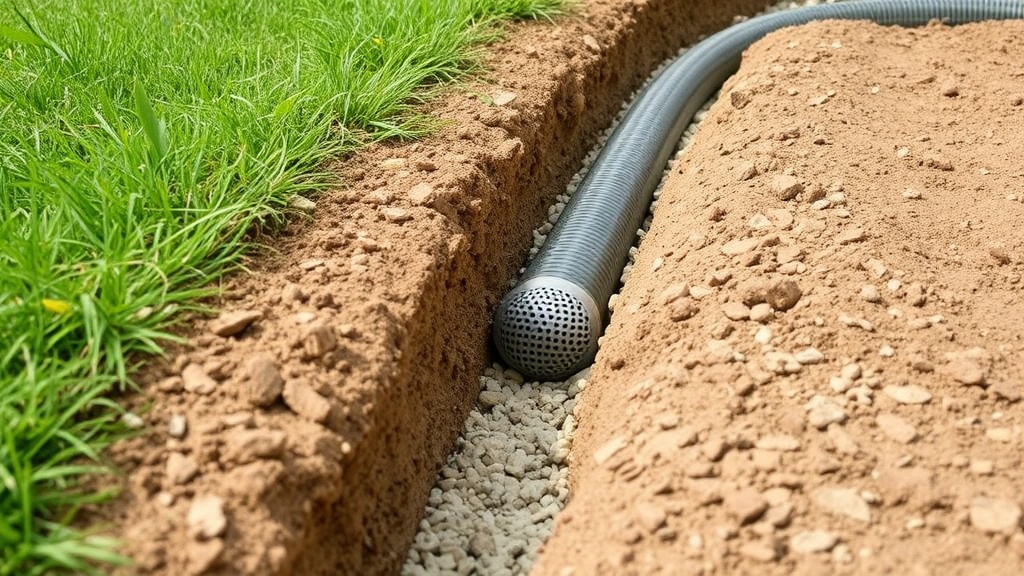
A French drain is basically a gravel‑filled trench with a perforated pipe inside it.
Water seeps through the gravel, enters the pipe, and gets carried away to a lower point in the yard.
You might need one if you notice:
• standing water in parts of the yard
• soggy grass that never dries
• water pooling near your foundation
It’s a simple concept but incredibly effective.
Step 1: Plan the Drain Route
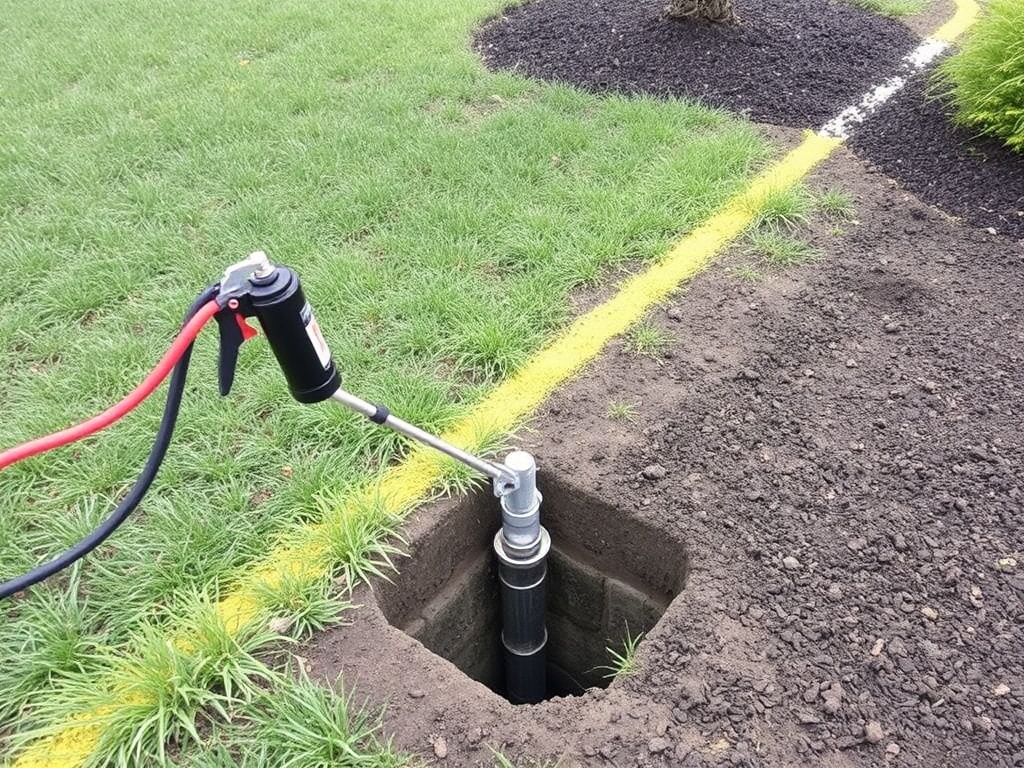
First figure out where the water should go.
French drains work by gravity, so the pipe needs to slope slightly downhill.
A good rule of thumb is at least a 1% slope.
That means dropping about 1 inch for every 8–10 feet of pipe.
Also make sure the drain directs water away from the house, not toward it.
Step 2: Call 811 Before Digging
Before you start digging, always check for underground utilities.
In the U.S., you can request a utility check through:
They’ll mark buried lines so you don’t accidentally hit gas, electric, or water pipes.
It’s free and absolutely worth doing.
Step 3: Dig the Trench
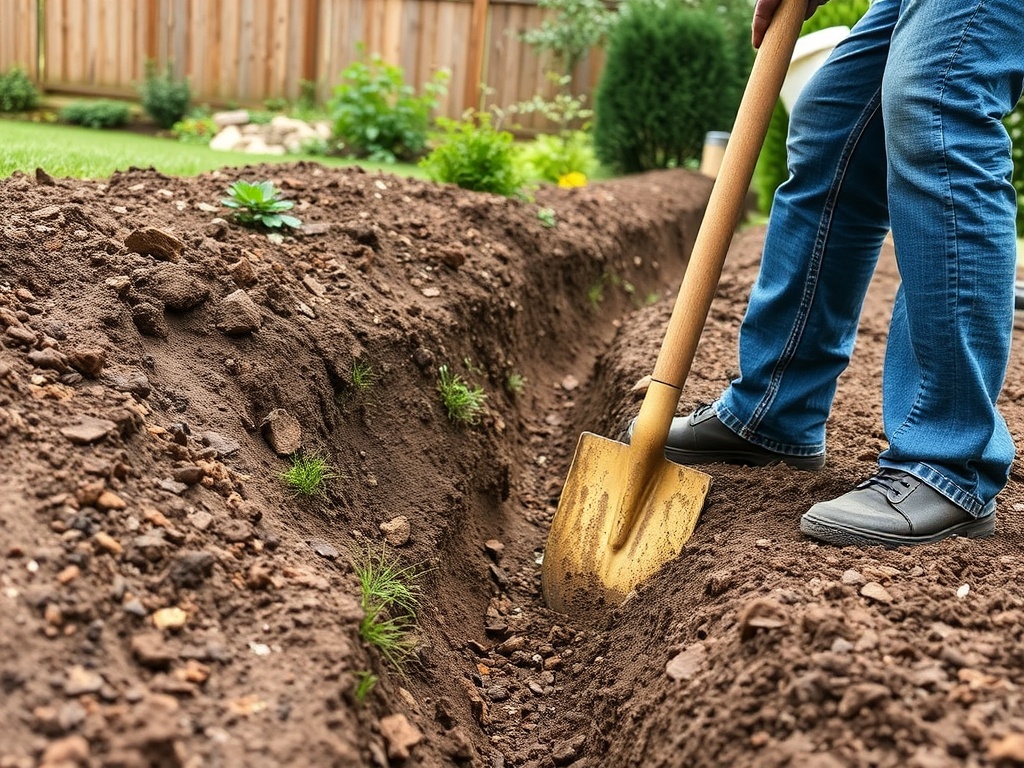
Typical French drain trench dimensions are:
• 12–18 inches deep
• 6–12 inches wide
Dig along the planned route and maintain the downhill slope as you go.
This is the most labor‑intensive part of the project.
Step 4: Line the Trench With Fabric
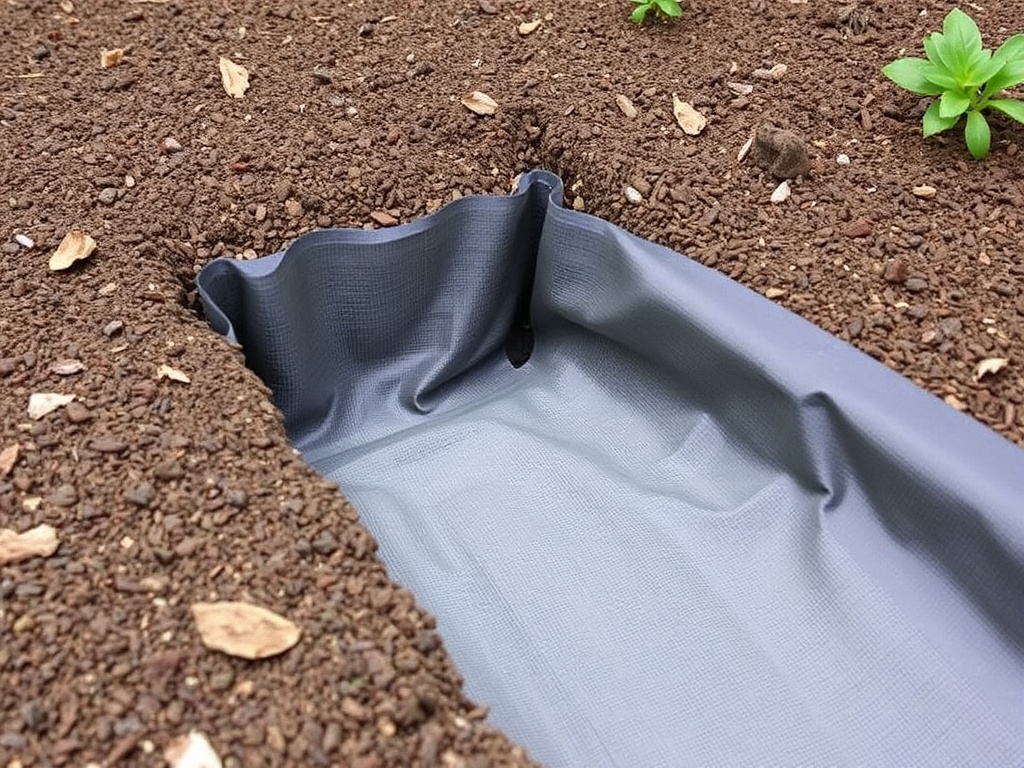
Line the trench with landscape fabric to prevent soil from clogging the drain.
A durable option is DeWitt Pro‑5 weed barrier, which you can find on Amazon.
Leave enough fabric hanging over the sides so it can wrap over the gravel later.
Step 5: Add a Gravel Base
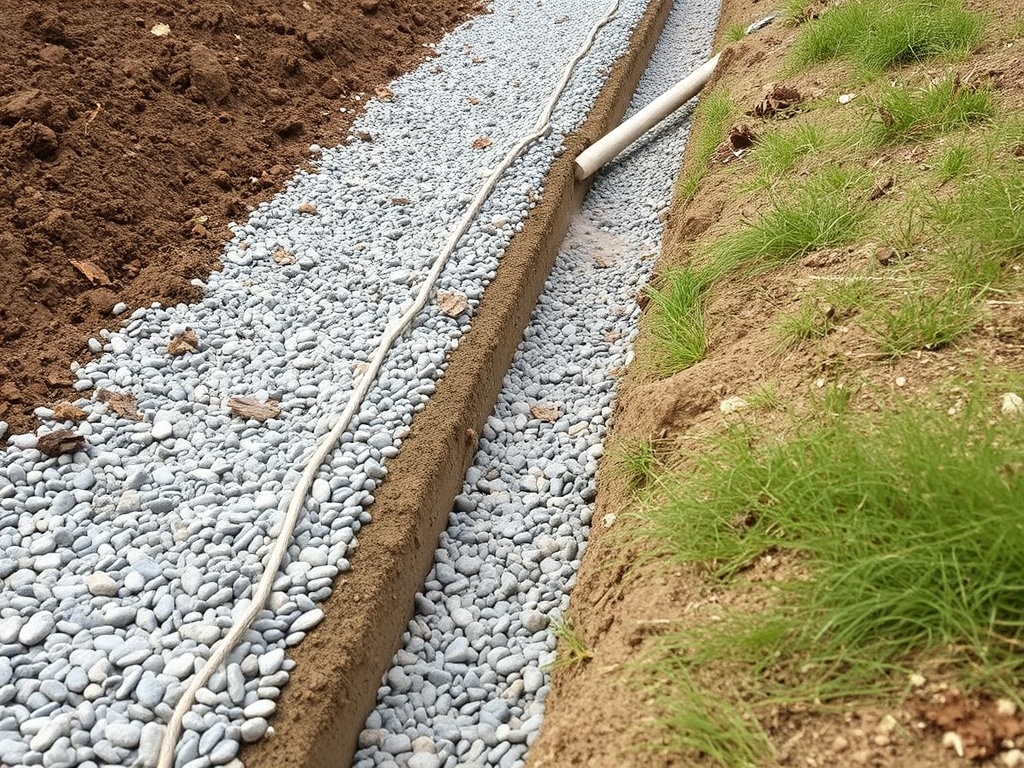
Add a few inches of gravel before placing the pipe.
Good materials include:
• washed river rock
• #57 drainage stone
Both are available at most local landscape supply yards.
Avoid limestone gravel — it breaks down and clogs drainage systems.
Step 6: Install the Perforated Pipe
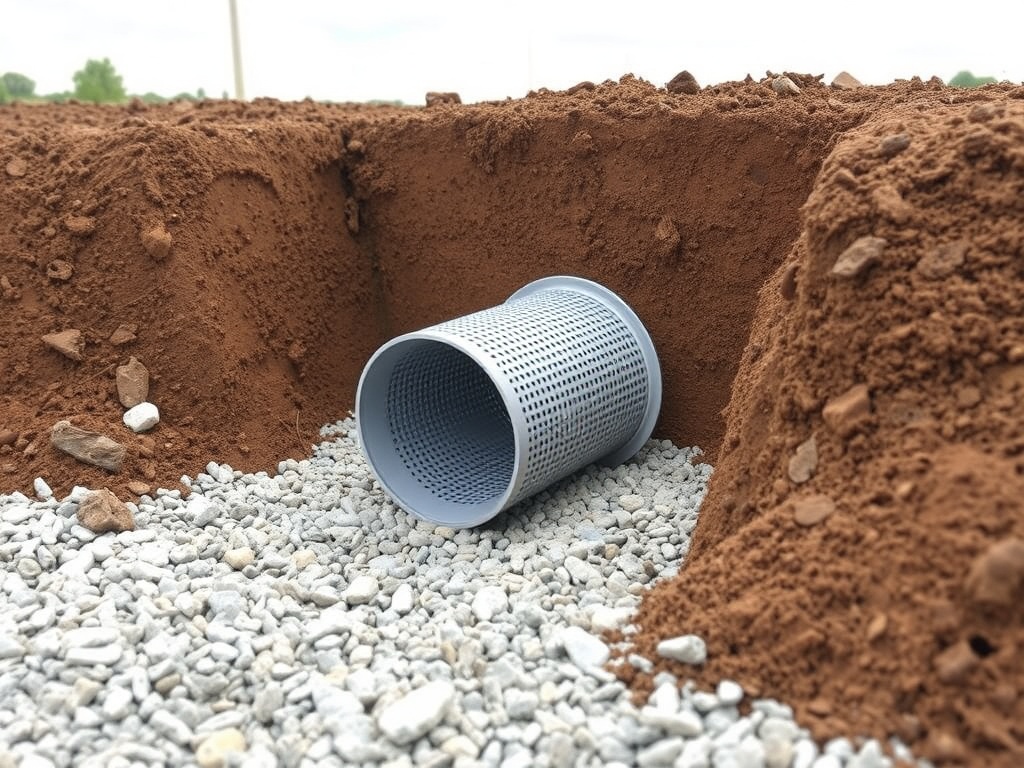
Lay a 4‑inch perforated drain pipe on top of the gravel base.
A common option is NDS corrugated pipe, about $30 for 100 feet at Home Depot or Lowe’s.
NDS is a reliable drainage brand and makes a wide range of drainage products.
You can check their systems here:
Make sure the pipe continues the same downhill slope.
Step 7: Cover With Gravel
Add more gravel on top of the pipe until the trench is almost full.
This allows water to flow easily into the pipe.
Then fold the landscape fabric over the top of the gravel layer.
This helps prevent soil from entering the drain.
Step 8: Backfill the Trench
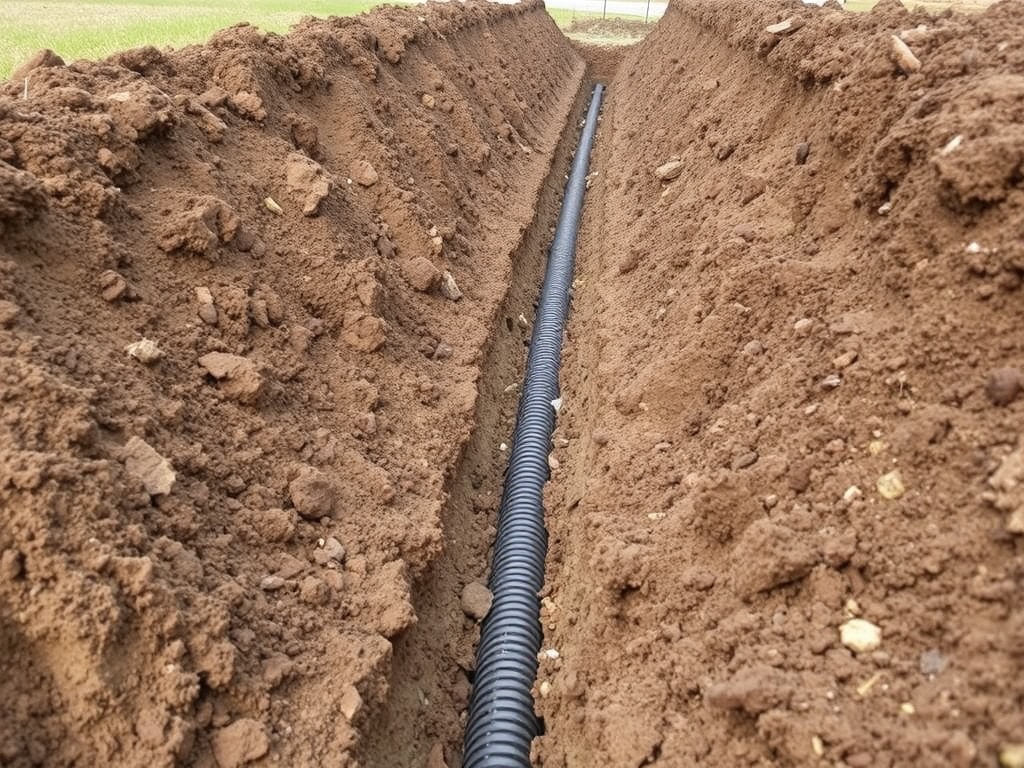
Finally, add soil over the wrapped trench and level the ground.
You can reseed grass or cover the trench with decorative rock depending on your yard design.
Materials and Cost
For a 50‑foot French drain, typical DIY costs look like this:
• perforated pipe: $50–$80
• gravel: $150–$300
• landscape fabric: $40–$60
• miscellaneous tools and supplies: $100+
Total DIY cost usually falls around $500–$1,000.
Professional installation typically costs $2,000–$6,000 depending on length and excavation difficulty.
Common Mistakes to Avoid
A few things can ruin a French drain installation.
Not enough slope
Without a downhill grade, water won’t move through the pipe.
Using the wrong gravel
Avoid limestone or small crushed gravel — they clog over time.
Skipping landscape fabric
Without fabric, soil will eventually fill the drain.
Final Thoughts
Installing that French drain along my fence line solved a flooding problem that had bothered me for years.
Sometimes the best backyard projects aren’t the flashy ones — they’re the ones that quietly fix a problem for good.
And once the yard finally drains properly after a storm, you’ll be glad you did it.