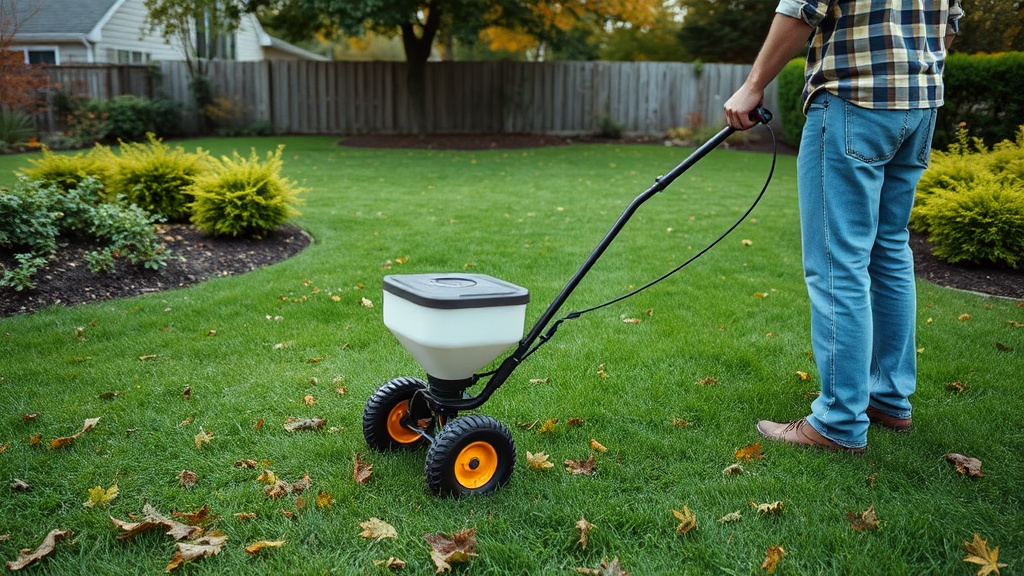
How to Overseed Your Lawn Like a Pro

Alright, let’s talk about overseeding.
Every fall I get the same question from neighbors leaning over the fence: "Why does your lawn look thick and green when mine looks… tired?"
Most of the time the answer is simple. Overseeding.
Grass naturally thins out over time. Heat, foot traffic, kids, dogs, drought, mowing mistakes — it all adds up. Overseeding just means spreading new grass seed over your existing lawn to fill those thin spots and thicken everything up.
You don’t need a landscaping crew for this. You need a weekend, a spreader, and a little patience.
Here’s how to overseed your lawn like a pro.
Step 1: Pick the Right Time
For most cool‑season lawns like fescue, rye, or bluegrass, early fall is the sweet spot.
Why fall works:
- Soil is still warm
- Nights are cooler
- Less weed competition
- Grass establishes before winter
Aim for roughly September through early October depending on your region.
Spring overseeding can work, but weeds love spring too. Fall is easier.
Step 2: Mow the Lawn Short
Before spreading seed, mow the lawn shorter than usual.
Drop your mower height to around 2 inches.
You’re not trying to scalp the lawn. The goal is to let seed reach soil instead of getting stuck on top of long grass.
If possible, bag the clippings for this mow.
Step 3: Aerate the Lawn
Core aeration is the step that makes overseeding work much better.
A core aerator pulls small plugs of soil out of the lawn which helps:
- loosen compacted soil
- improve water absorption
- give seed a place to settle
You can rent an aerator from most hardware stores.
Run it across the lawn in two directions and leave the soil plugs where they fall. They break down naturally.
Step 4: Choose Quality Grass Seed
Cheap grass seed often contains filler seed or weed seed.
Look for blends suited for your climate. For many suburban lawns, tall fescue blends work really well because they tolerate heat and traffic.
Check the label for high germination rates and low weed seed percentages.
Good seed costs more, but it pays off.
Step 5: Spread the Seed Evenly
Use a broadcast or drop spreader so the seed spreads evenly.
Most seed bags list overseeding rates, which are lighter than starting a new lawn.
A helpful trick:
Spread half the seed north‑to‑south and the other half east‑to‑west. That crisscross pattern helps prevent thin stripes.
Add a little extra seed to bare patches.
Step 6: Apply Starter Fertilizer
Starter fertilizer helps new grass establish roots.
These fertilizers usually contain higher phosphorus levels which encourage early root development.
Spread it right after seeding using the same spreader.
Step 7: Water Consistently
Fresh seed needs steady moisture.
For the first 10–14 days, lightly water once or twice daily to keep the soil damp.
Avoid puddles — you just want consistent moisture so seeds can germinate.
After new grass appears, switch to deeper watering a few times per week.
Step 8: Limit Traffic
New grass is fragile.
Try to keep kids, pets, and heavy foot traffic off the lawn for a couple weeks while it establishes.
Step 9: First Mow
Wait until new grass reaches about 3–4 inches tall before mowing.
Then mow down to around 2.5–3 inches.
A sharp mower blade helps prevent tearing young grass.
Common Mistakes to Avoid
- Seeding too late
- Not watering enough
- Buying cheap seed
- Skipping aeration
Avoid those and you’re already ahead of most lawns on the block.
Final Thought
Overseeding isn’t complicated. It just rewards people who do the basics right.
Mow low. Loosen the soil. Spread good seed. Keep it watered.
Do that once a year and your lawn slowly gets thicker and healthier.
It’s one of the best weekend yard projects you can do.
You can do this. Seriously.