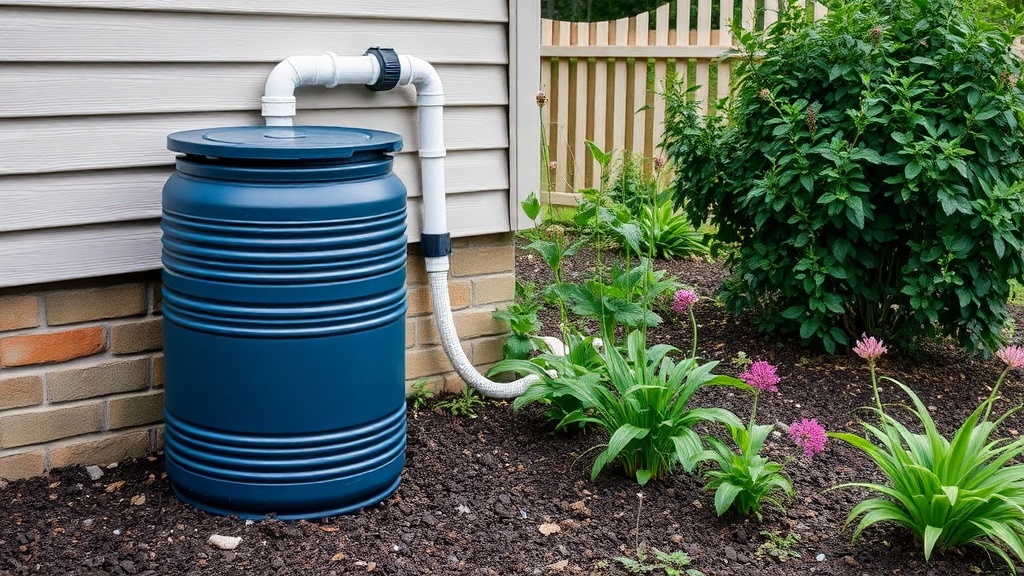
How to Set Up a Rain Barrel in Your Backyard (Beginner Guide)

Alright, here's a backyard project that takes maybe an hour but pays off all season.
A rain barrel.
If you've got a garden, raised beds, or even a few plants around the yard, collecting rainwater is one of the easiest ways to keep things watered without constantly running the hose.
And once you see how quickly a barrel fills during a decent rainstorm, it kind of feels like free water falling from the sky.
Let’s walk through how to set one up the simple way.
Why Use a Rain Barrel?
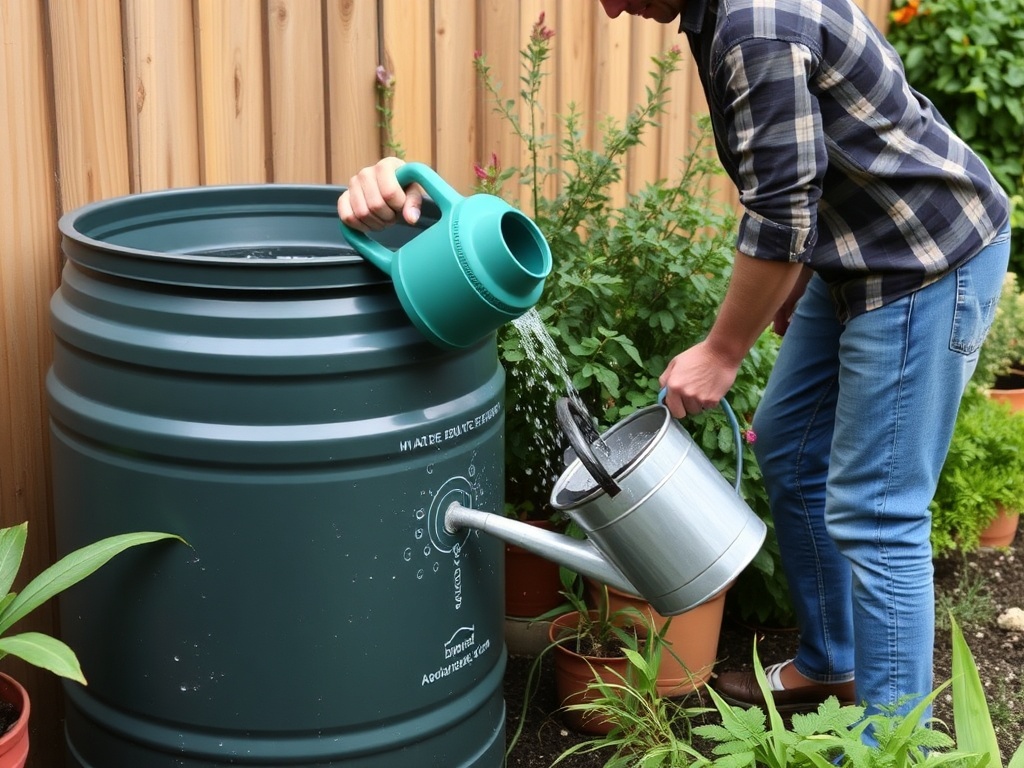
Rain barrels collect water that normally runs off your roof and into the storm drain.
That stored water is perfect for:
• Watering garden beds
• Watering container plants
• Washing tools or muddy boots
Rainwater is also great for plants because it doesn't contain chlorine like tap water.
Plus, during summer heat waves it can save a surprising amount on your water bill.
How Much Water Can You Collect?
Most standard rain barrels hold 50–60 gallons of water.
But the amount you collect depends on your roof size.
A simple rule of thumb:
1 inch of rain on 1,000 square feet of roof = about 600 gallons of water.
Obviously a single barrel won't hold all of that, which is why many people eventually link multiple barrels together.
Even one barrel usually fills during a single storm.
Connecting a Rain Barrel to a Downspout
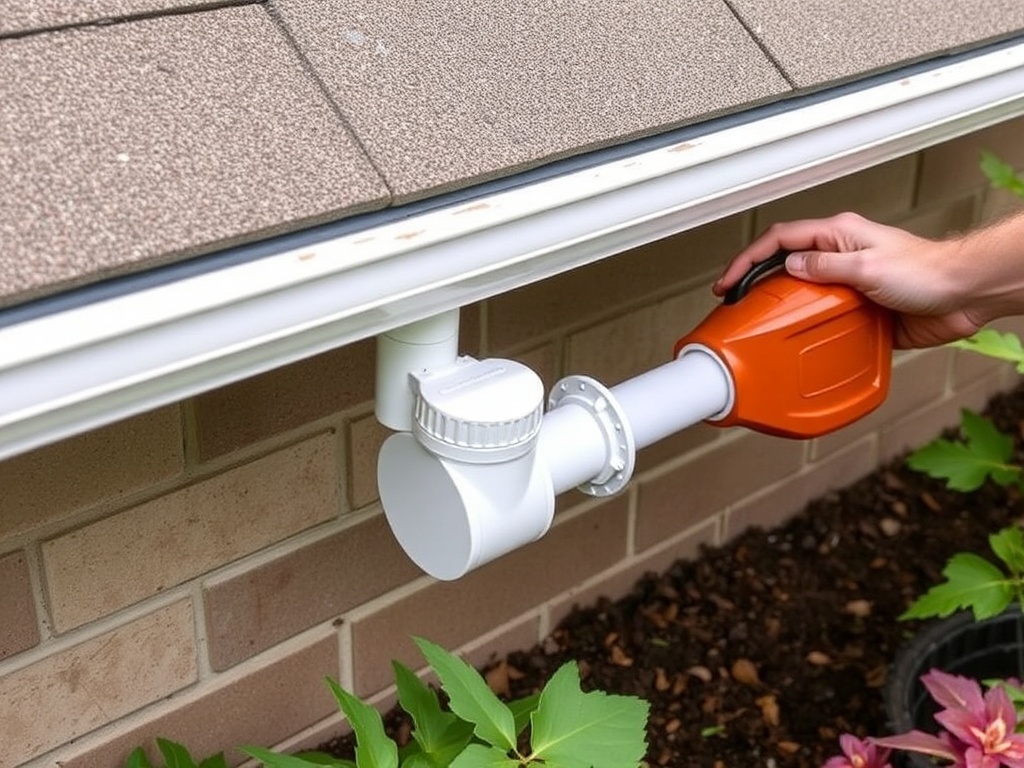
The basic setup is pretty simple.
- Place the rain barrel under a gutter downspout
- Cut the downspout a few inches above the barrel
- Attach a rain diverter or elbow
- Direct the water into the barrel opening
Most rain barrels include a screen on top to keep leaves out.
Raising the barrel slightly on bricks or blocks helps improve water flow from the spigot.
Preventing Mosquito Problems
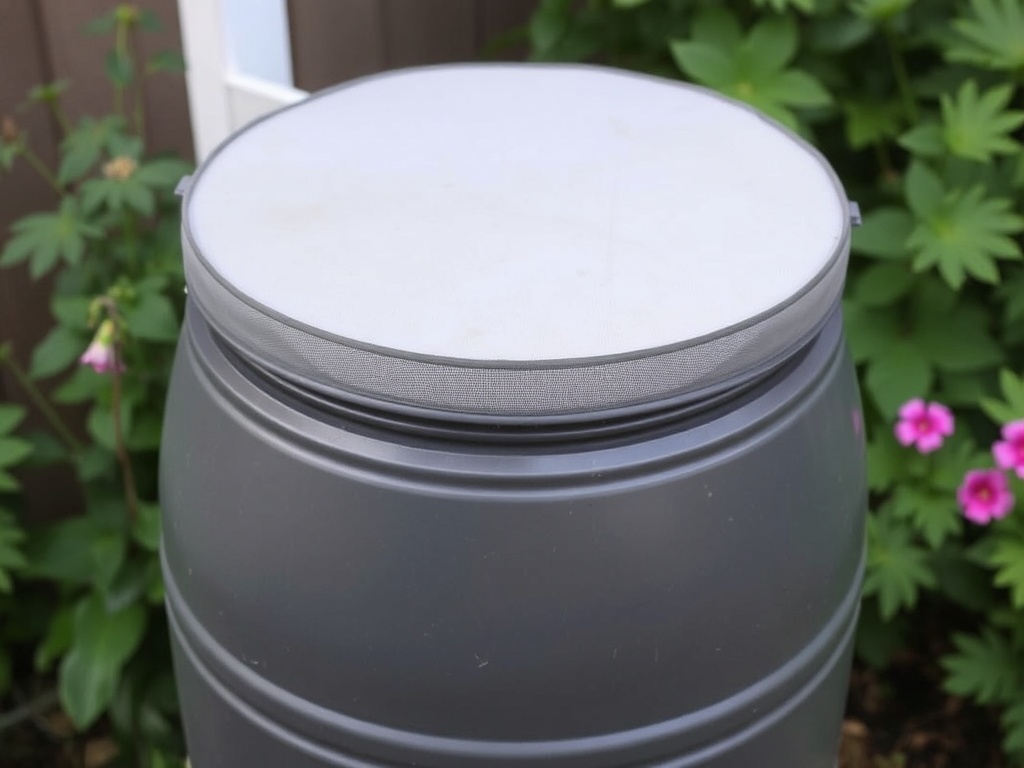
Standing water can attract mosquitoes if the barrel is open.
A good rain barrel setup prevents that.
Look for barrels with:
• Tight fitting lids
• Fine mesh screens
• Sealed overflow outlets
These keep insects out while still allowing water to flow in.
Overflow and Drainage
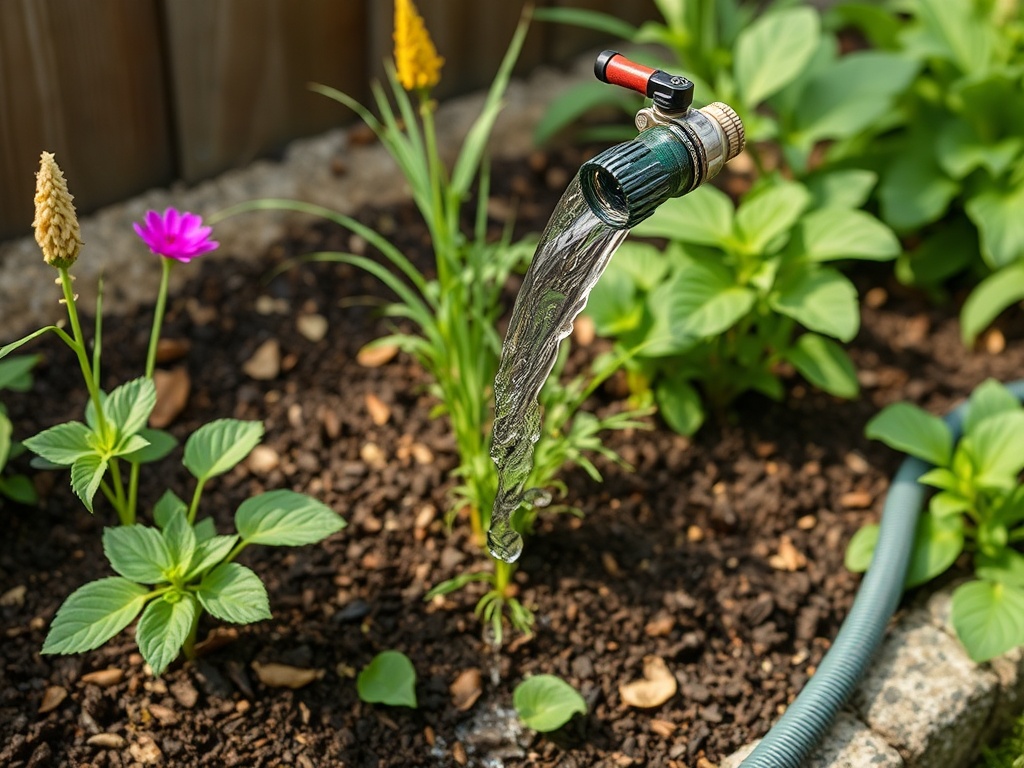
Once the barrel fills up, the extra water needs somewhere to go.
Most rain barrels include an overflow port where you can attach a hose.
Run that hose toward:
• Garden beds
• Lawn areas
• Gravel drainage spots
This keeps water from pooling near the house foundation.
Final Thoughts
Rain barrels are one of those backyard upgrades that are simple, practical, and surprisingly satisfying.
Once you install one, you'll start noticing every rainstorm differently.
Instead of watching water run down the driveway, you're collecting it and putting it back into the garden where it actually helps.