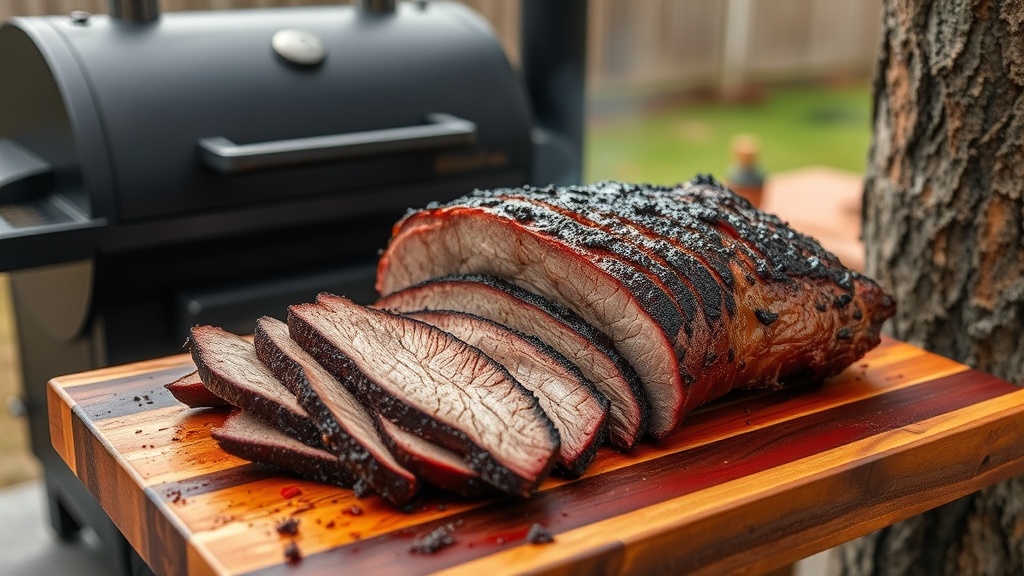
How to Smoke a Brisket for Beginners (Step-by-Step Guide)

Alright, brisket is the king of backyard barbecue.
It’s also the cut that scares people the most.
You’ll hear stories about 16-hour cooks, complicated rubs, and secret techniques pitmasters guard like family recipes. The truth is brisket is actually pretty simple once you understand the basics.
Low heat. Good smoke. Plenty of time.
That’s really it.
Let me walk you through exactly how I cook brisket so your first one actually turns out great.
Step 1: Buy the Right Brisket
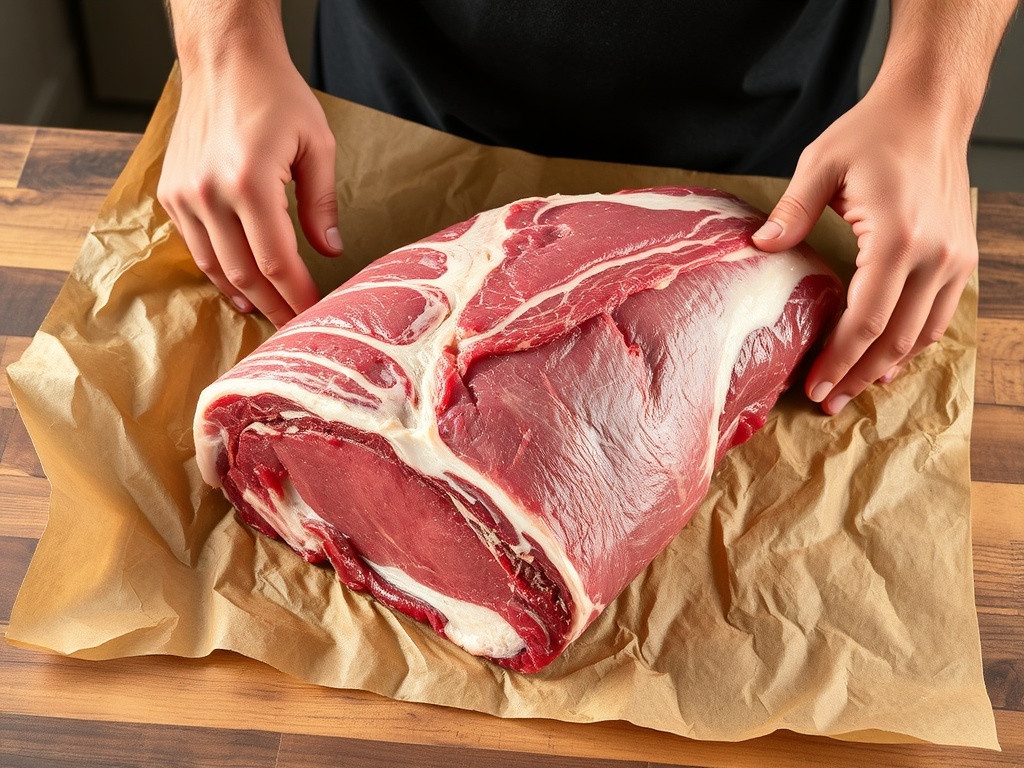
When you're shopping for brisket, you’ll usually see two cuts:
Flat cut
• Leaner
• Smaller
• Easier to cook but less forgiving
Packer brisket (what I recommend)
• Includes both the flat and point muscles
• More fat and flavor
• Much harder to dry out
Look for a whole packer brisket around 12–15 pounds.
You can find good ones at:
• Local butcher shops
• Costco (great value briskets)
• Restaurant supply stores
If you see USDA Choice or Prime, grab those. They have better marbling which helps the brisket stay juicy.
Step 2: Trim the Brisket
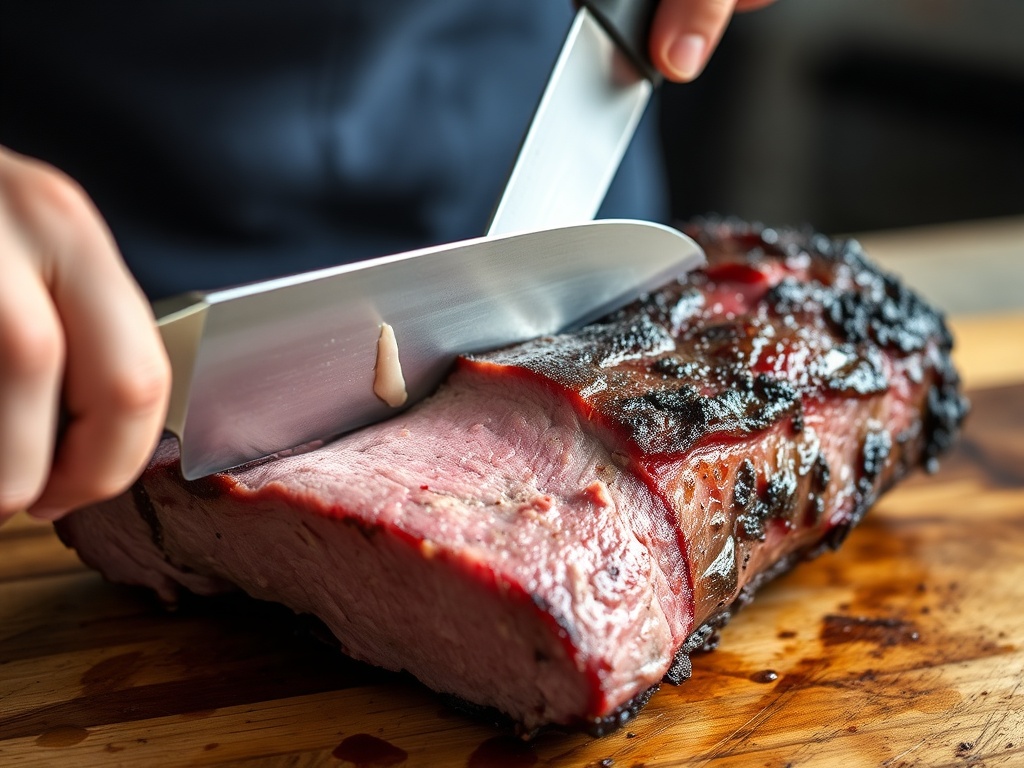
Most briskets come with a thick fat cap that needs trimming.
You want about ¼ inch of fat left on top.
Too much fat blocks seasoning and smoke from reaching the meat.
Trim off:
• hard chunks of fat
• excess fat cap
• thin ragged edges
Don’t overthink this. The goal is just to clean it up.
Step 3: Season the Brisket (Texas Style)
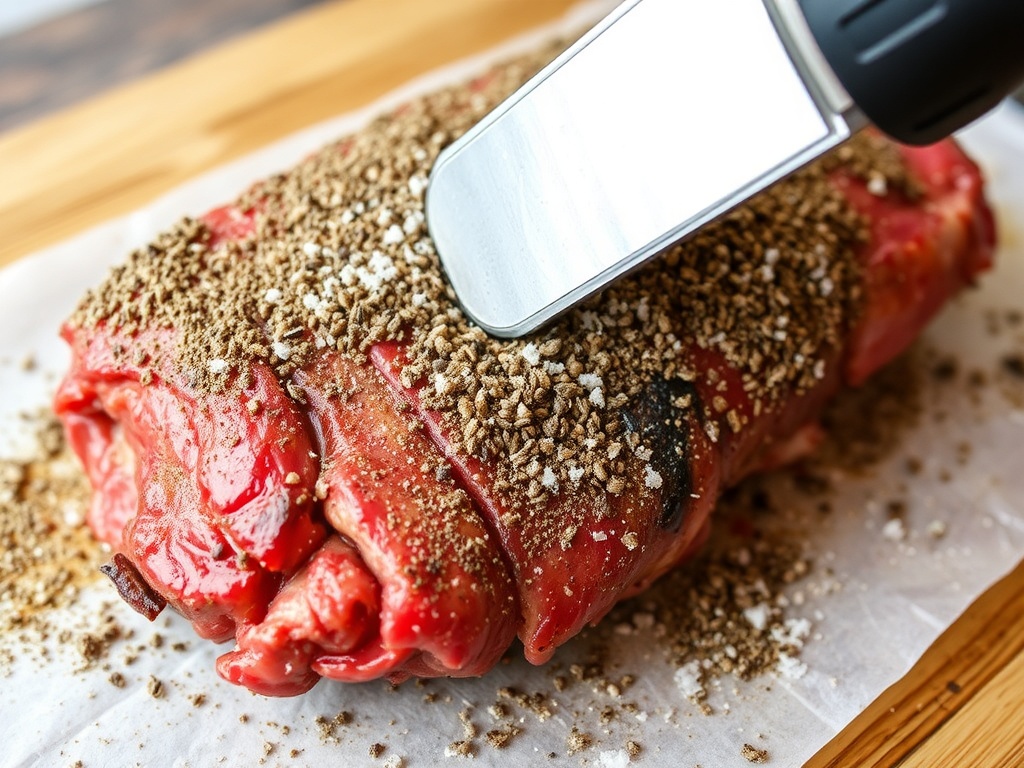
The classic Texas brisket rub is beautifully simple.
Basic rub:
• 50% kosher salt
• 50% coarse black pepper
That’s it.
Optional additions if you want a little more flavor:
• garlic powder
• onion powder
• paprika
But honestly, salt and pepper alone works incredibly well.
Season generously on all sides.
Step 4: Set Up Your Smoker
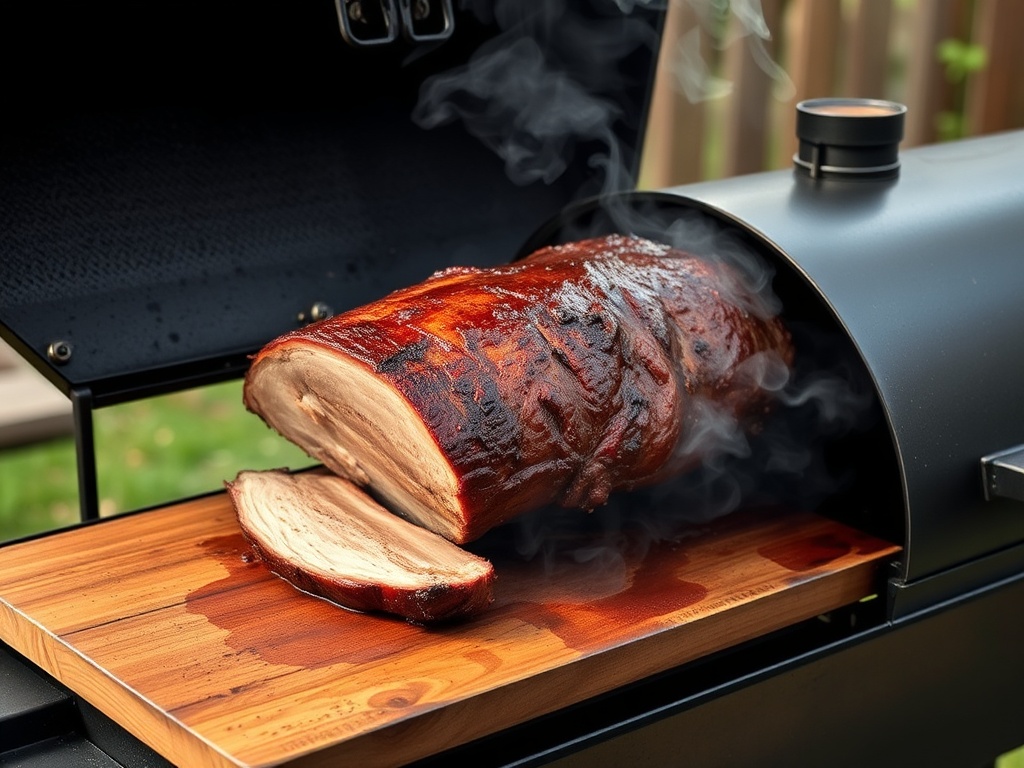
Brisket works on almost any smoker.
Some great backyard options include:
• Weber Smokey Mountain charcoal smoker
• Oklahoma Joe's Highland offset smoker
• Traeger Pro 575 pellet grill
Target temperature for brisket:
250°F
You want steady, indirect heat for a long cook.
Step 5: Choose the Right Wood
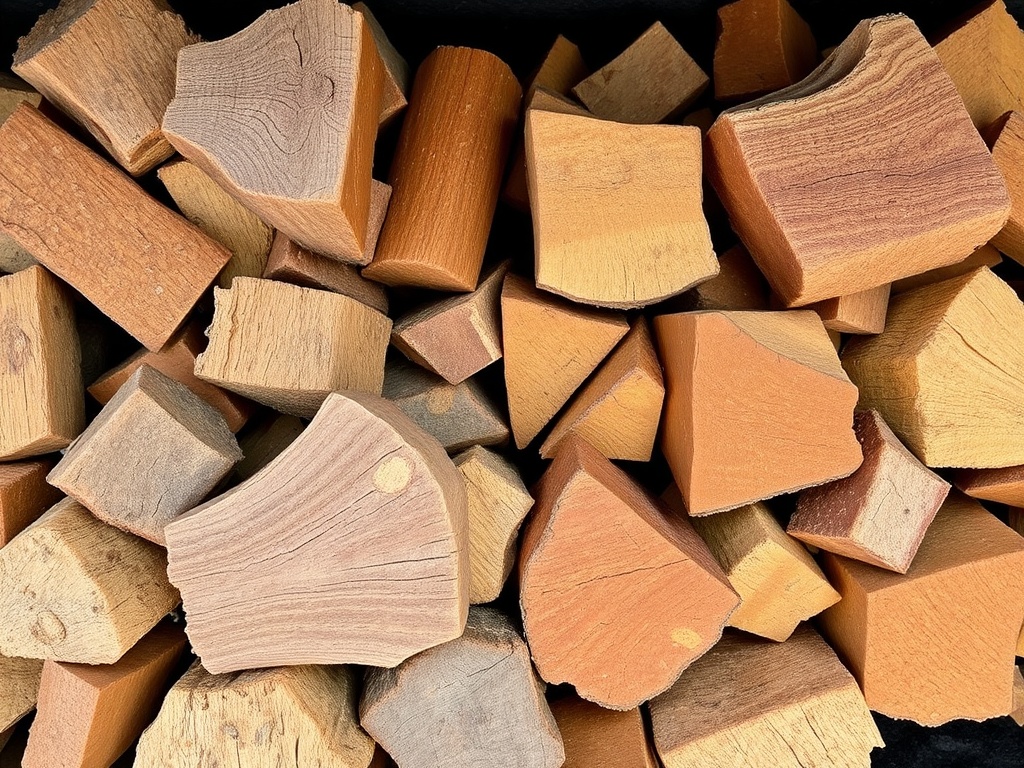
The wood you use affects flavor.
My favorites for brisket:
• Post oak – classic Texas BBQ flavor
• Hickory – strong smoky flavor
• Mesquite – very bold (use lightly)
Brands like B&B Charcoal make great smoking wood. You can find it at Academy Sports or Amazon.
Step 6: The Cook
Place the brisket fat side up on the smoker.
Now the waiting game begins.
Keep the smoker around 250°F and let the brisket slowly cook.
During the cook a few important things happen.
Bark formation
The outside develops a dark crust called bark. This is flavor gold.
The stall
Around 160°F internal temperature, the brisket will seem to stop cooking.
Don’t panic. This is normal.
Moisture evaporating from the meat cools the surface.
Wrapping
At around 165°F internal temp, wrap the brisket in pink butcher paper (widely available on Amazon).
This helps push through the stall while preserving bark.
Step 7: Cook Until Tender
Keep cooking until the brisket reaches 195–205°F internal temperature.
But temperature isn’t the only test.
When a thermometer probe slides in like warm butter, it’s ready.
I use a ThermoWorks thermometer to check this — accurate temps make a huge difference.
Step 8: Rest the Brisket
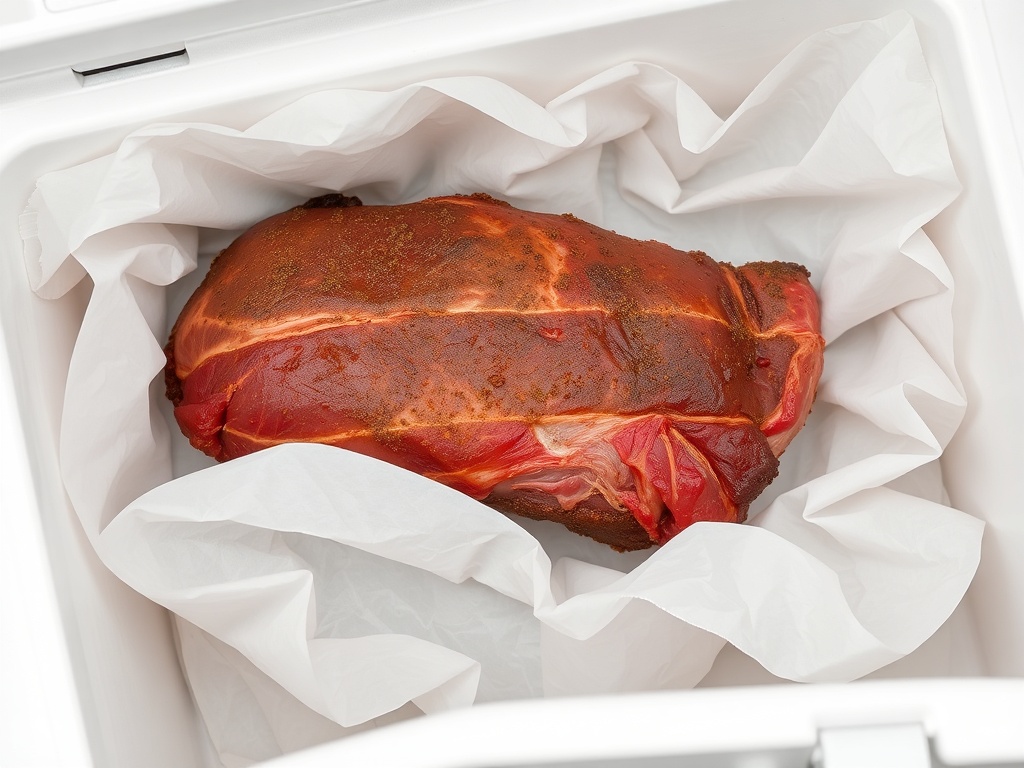
This step is critical.
Wrap the brisket in a towel and place it in a cooler for 1–2 hours.
Resting allows the juices to redistribute so the meat stays tender.
Step 9: Slice It Right
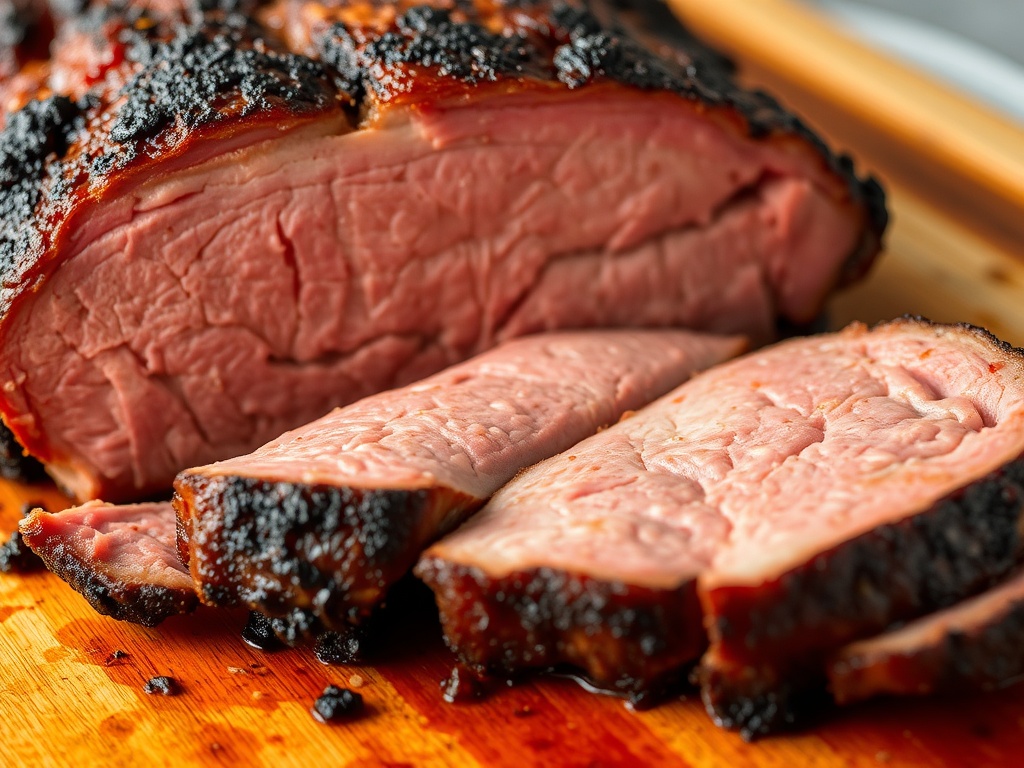
Always slice against the grain.
This shortens the muscle fibers and makes each bite more tender.
Start with pencil-thick slices and adjust from there.
Typical Brisket Cook Timeline
Here’s what a typical brisket cook looks like.
| Time | Stage |
|---|---|
| 0 hr | Brisket goes on smoker |
| 4–6 hr | Bark forming |
| 6–8 hr | Stall begins (~160°F) |
| 8 hr | Wrap brisket |
| 10–12 hr | Internal temp reaches 195–205°F |
| 12–14 hr | Rest and slice |
Every brisket cooks a little differently, but this timeline is pretty typical.
Final Thoughts
Your first brisket won’t be perfect.
Mine definitely wasn’t.
But once you nail one — that dark bark, the smoke ring, the juicy slices — you’ll understand why people get obsessed with barbecue.
Just remember:
Keep the fire steady.
Be patient.
Trust the process.
That’s brisket.