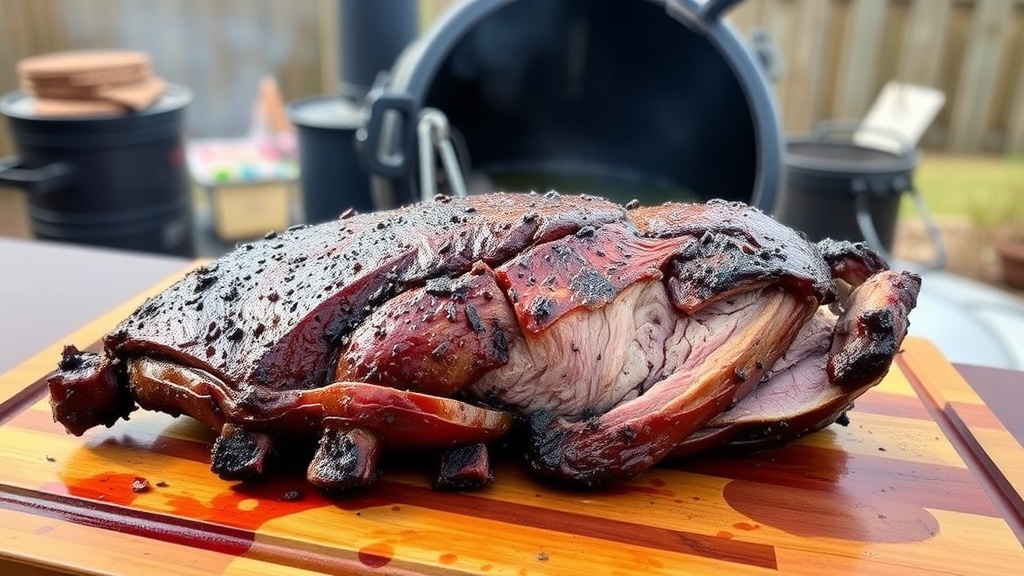
How to Smoke Your First Brisket (Complete Beginner's Guide)

Alright, brisket.
This is the one that scares people.
You'll see a lot of videos online making it look complicated, but here's the truth: brisket is mostly patience.
Low heat, enough time, and letting the meat rest properly.
I've cooked brisket on everything from a kettle grill to a kamado smoker, and the fundamentals are always the same.
If this is your first one, let me walk you through it step by step.
Step 1: Pick the Right Brisket
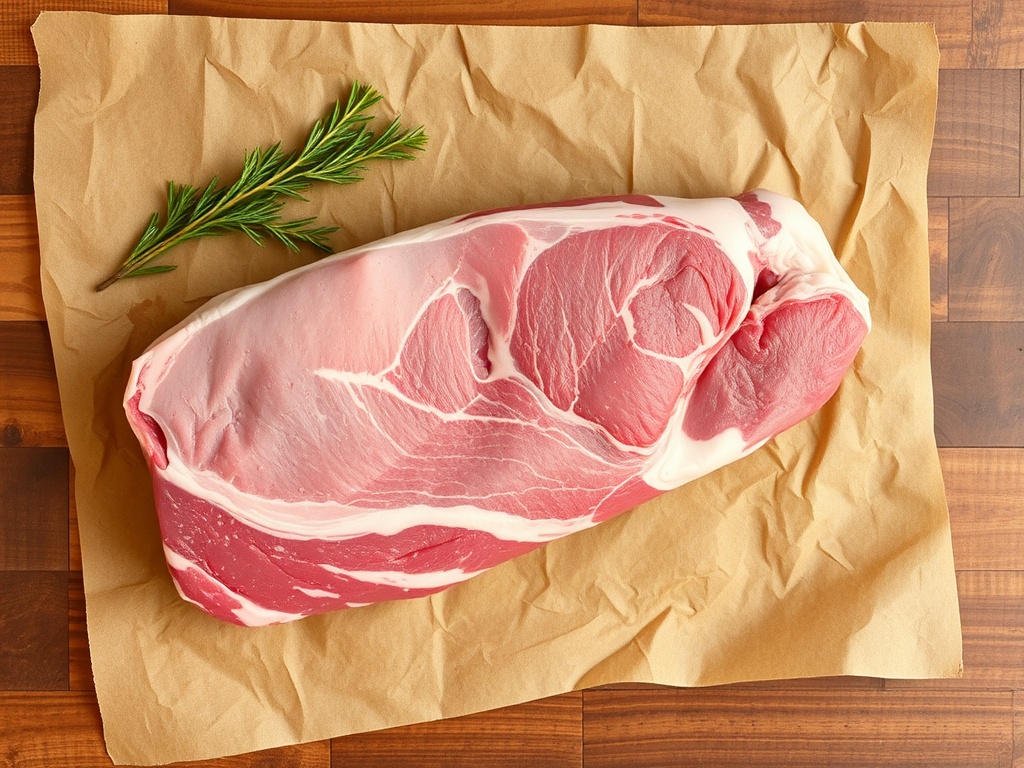
Look for a whole packer brisket, usually around 10–14 pounds.
That includes both the flat and the point muscles.
The key thing you're looking for is marbling — little streaks of fat throughout the meat. That fat melts during the cook and keeps the brisket tender.
Choice grade works fine. Prime is even better if you can find it.
Step 2: Trim the Brisket
You don't need to get fancy here.
Just trim the fat cap down to about ¼ inch thick.
Too much fat blocks the smoke and seasoning from reaching the meat.
Also remove any hard chunks of fat that won't render during cooking.
Step 3: Season It
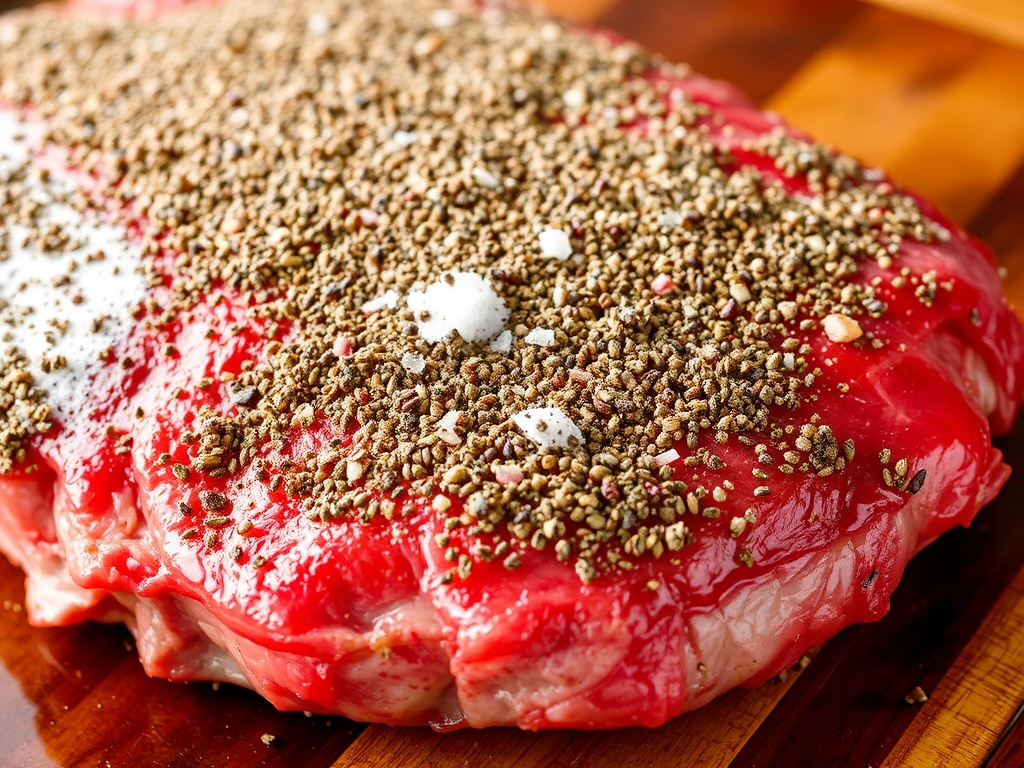
Texas barbecue keeps things simple.
A classic brisket rub is just:
• Kosher salt
• Coarse black pepper
That's it.
You can add garlic powder or paprika if you want, but salt and pepper alone works incredibly well.
Season the brisket generously on all sides.
Step 4: Choose Your Wood
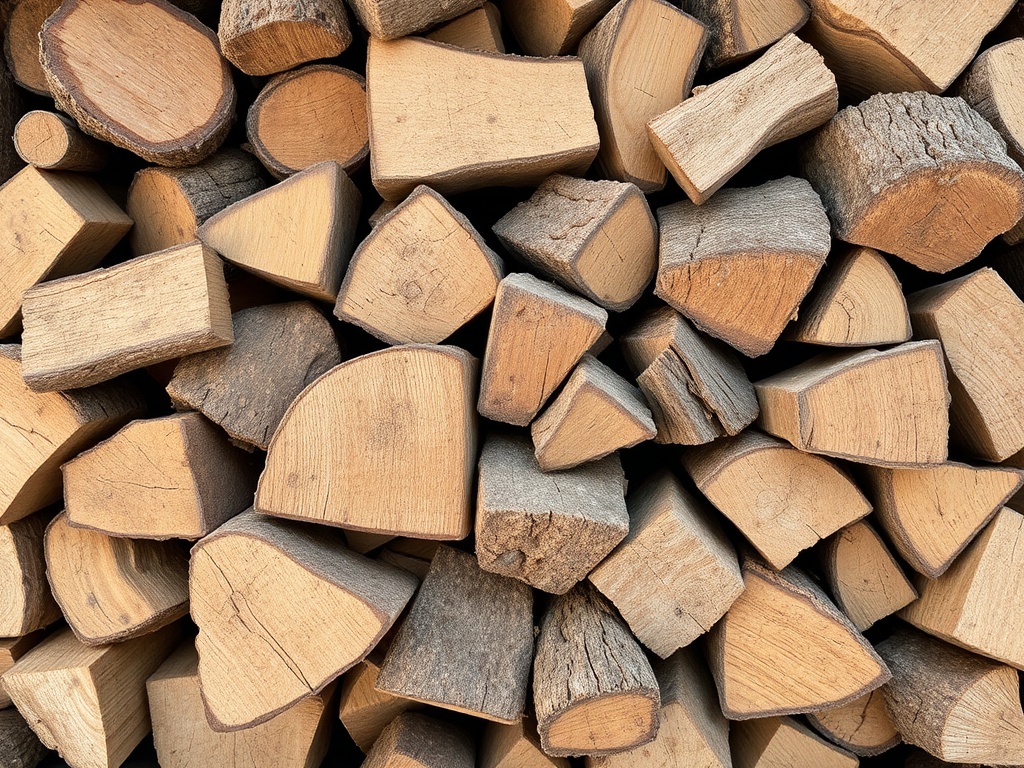
Brisket loves strong hardwood smoke.
Good choices include:
• Oak – classic Texas brisket wood
• Hickory – strong smoky flavor
• Post oak – traditional BBQ flavor
Avoid lighter woods like apple or cherry for brisket. They're better for pork or poultry.
Step 5: Set Your Smoker Temperature
Your target cooking temperature is 225–275°F.
Anywhere in that range works great.
Low and steady heat slowly breaks down the tough connective tissue inside the brisket.
This is why brisket cooks take a long time — usually 10–14 hours depending on size.
Step 6: The Stall
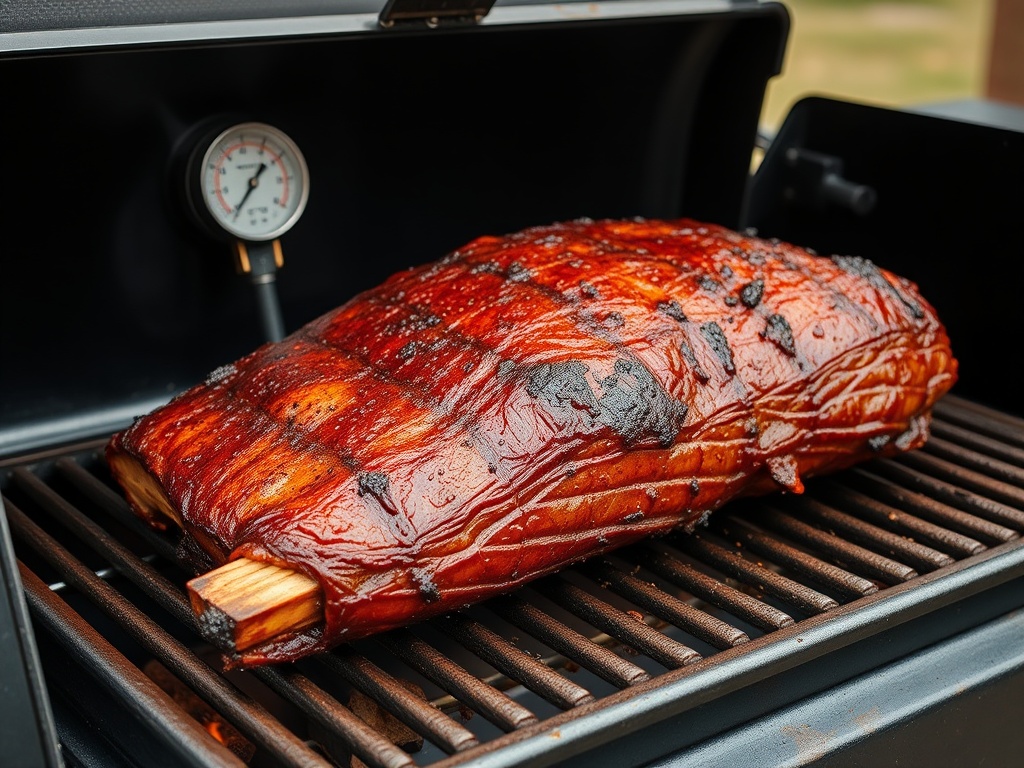
Around 150–170°F internal temperature, the brisket will seem to stop cooking.
This is called the stall.
Moisture evaporating from the meat cools the surface — basically like sweat cooling your skin.
Don't panic. It's completely normal.
The brisket will eventually push through it.
Step 7: Wrapping the Brisket
Many pitmasters wrap their brisket during the stall.
This speeds up cooking and helps retain moisture.
You can wrap with:
• Butcher paper (most common)
• Foil (faster but softer bark)
Wrap the brisket once it reaches around 165°F internal temperature.
Step 8: Cook Until Tender
Keep cooking the brisket until it reaches about 200–203°F internal temperature.
But the real test is tenderness.
A thermometer probe should slide into the meat with almost no resistance — like pushing into warm butter.
That's when it's ready.
Step 9: Rest the Brisket
This is the step beginners skip, and it makes a huge difference.
Let the brisket rest for at least one hour, preferably two.
Resting allows the juices to redistribute through the meat.
If you slice immediately, those juices run out onto the cutting board.
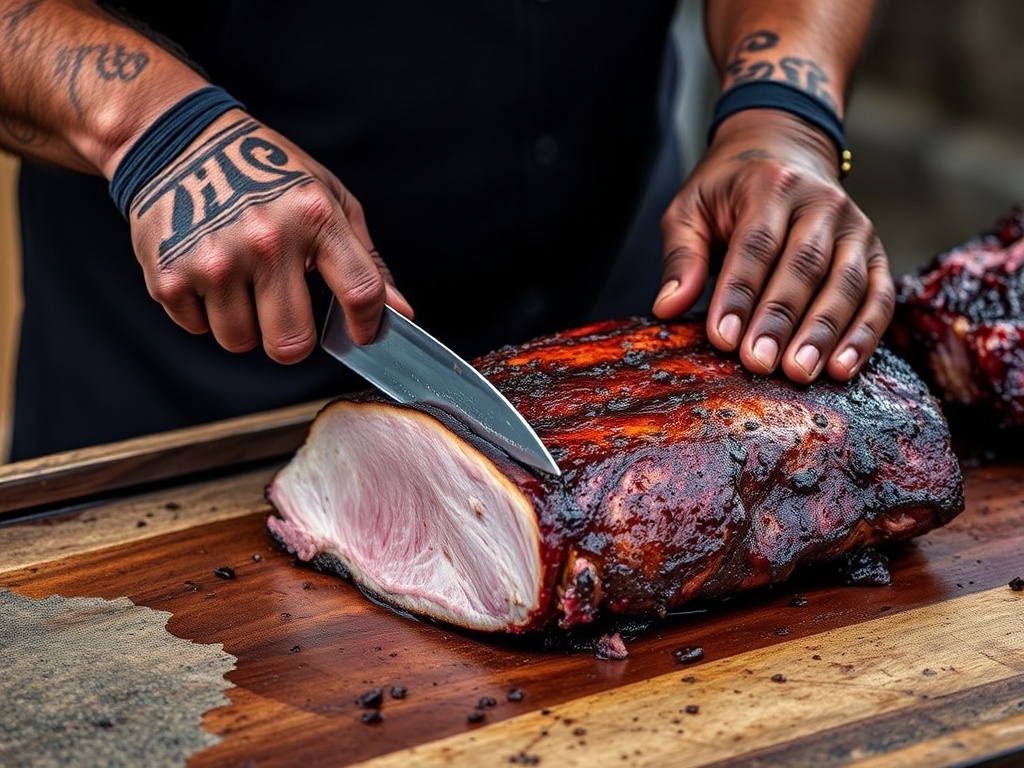
Step 10: Slice Against the Grain
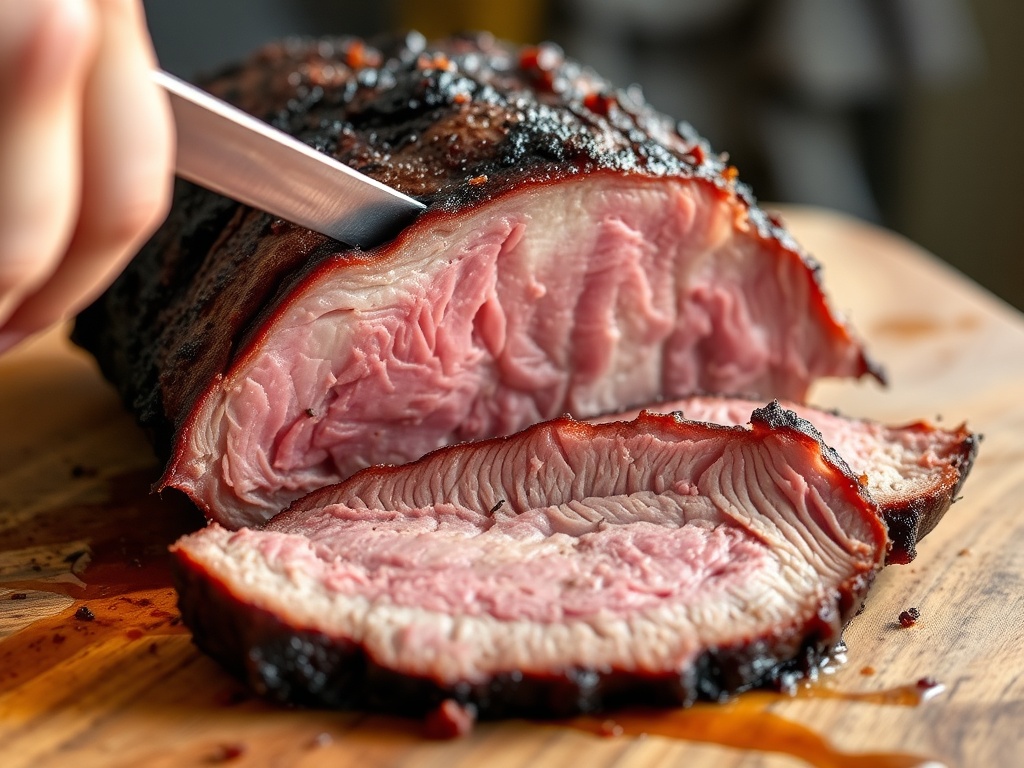
Use a long slicing knife and cut against the grain of the meat.
This shortens the muscle fibers and makes each slice more tender.
Take your time here — presentation matters with brisket.
Final Thoughts
Your first brisket probably won't be perfect.
That's normal.
Every pitmaster learns by cooking a few of them.
But once you nail it — tender slices, deep smoke flavor, and that beautiful bark — you'll understand why brisket is the king of barbecue.
Just remember the basics:
Low heat.
Good smoke.
Plenty of time.
And enjoy the process.