How to Start a Raised Bed Vegetable Garden: A Beginner's Guide

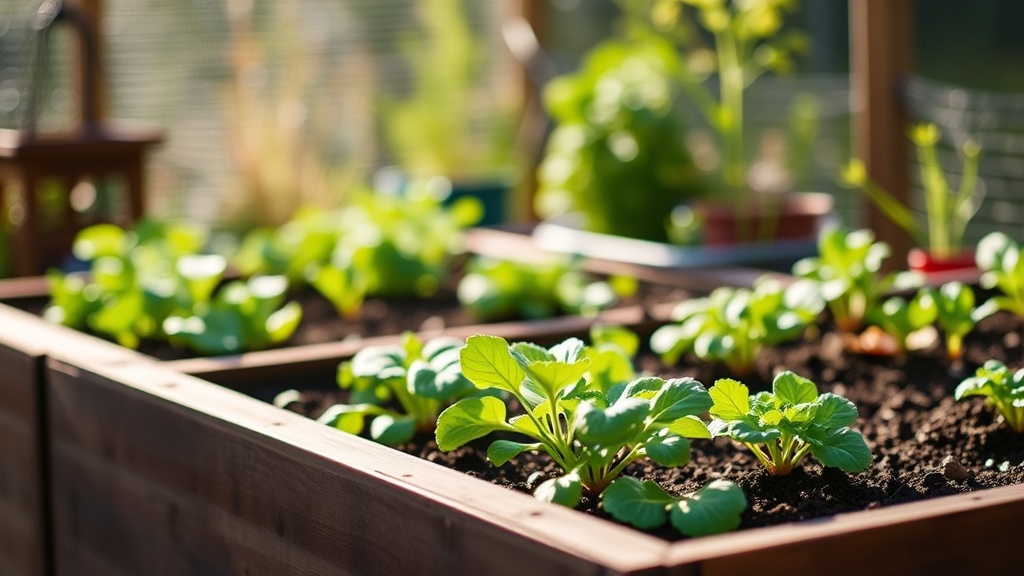
This guide covers every step of building and planting a first raised bed vegetable garden—from choosing lumber and soil to picking crops and keeping rabbits out. Raised beds warm up faster in spring, drain better after heavy rain, and spare your back from bending into the dirt. Whether you're working with a tiny suburban yard or a wide-open country lot, a well-built raised bed turns bare ground into a productive kitchen garden in a single weekend. Here's the thing: you don't need a tractor, a big budget, or ten years of experience to pull it off. You just need a Saturday, a trip to the lumber yard, and the willingness to get a little dirty.
What size should a raised bed vegetable garden be?
The ideal width for a beginner's raised bed is four feet, and the length can be anywhere from six to ten feet.
Four feet is the magic number because most adults can reach the center from either side without stepping into the bed. (Once you compact that soil by walking on it, you've defeated the whole purpose.) Eight feet long is a popular choice because lumber yards sell boards in eight-foot lengths, so there's zero waste and zero complex cuts. That said, don't feel locked into that dimension—six-foot beds work great for kids or shorter gardeners, and ten-foot beds fit neatly along a fence line.
Height matters too. Ten to twelve inches is the minimum that makes a real difference, though eighteen to twenty-four inches is even better if bending is hard on your knees. Deeper beds also drain faster and give roots more room to roam. Keep the bed narrow enough to reach across, and leave at least two feet of walking space on all sides for a wheelbarrow or lawnmower.
Sun exposure is the real boss of garden placement. A raised bed needs six to eight hours of direct sun daily for most vegetables. Morning sun is better than afternoon sun if you have to choose, because it dries dew quickly and reduces fungal issues. Place the bed with the long side running north to south so plants don't shade each other as the sun moves across the sky.
What kind of wood should you use for a raised garden bed?
Cedar and redwood are the top choices for untreated lumber that lasts season after season.
Western red cedar resists rot and insect damage for ten to fifteen years without any chemical treatment. It's lightweight, smells great, and cuts easily with a standard circular saw. The downside? It's pricey. If the budget is tight, Douglas fir or hemlock will last three to five years and costs about half as much. Composite boards like Trex work too, though they cost about three times as much as cedar and can get hot in full sun. Here's the thing: even cheap pine is better than no garden at all. You can always rebuild the box in a few years.
Modern pressure-treated lumber (the green-tinted stuff you see at Lowe's and Home Depot) is generally considered safe for vegetable gardens, but some folks still prefer to avoid it. If that's you, stick with cedar or look for Greenes Fence raised bed kits sold at major retailers. For fasteners, grab a box of Deckmate star-drive exterior screws—they grip tight and won't rust out after the first season. Avoid old railroad ties—they're soaked in creosote—and don't bother with standard interior drywall screws; they'll snap the first time you bump the frame with a wheelbarrow.
You'll also want a few basic tools. A cordless circular saw (the DeWalt DCS391 is a workhorse) makes quick work of the boards, and a simple speed square keeps your cuts at ninety degrees. A drill/driver with a star-drive bit sets the screws without stripping the heads. If you don't own these tools, most Home Depot locations rent them by the hour, and a single raised bed won't take more than an afternoon to assemble.
How deep does a raised bed need to be for vegetables?
Most vegetables grow well in eight to twelve inches of quality soil.
Leafy greens like lettuce and spinach have shallow roots and will produce a full harvest in just six inches of depth. Root crops—think carrots, beets, and parsnips—need more runway. Twelve to eighteen inches keeps them from hitting a hardpan bottom and forking into weird shapes. Tomatoes and peppers send roots down about twelve inches, so a foot-deep bed keeps them happy. The catch? If you're building on concrete, compacted gravel, or a balcony, go for eighteen to twenty-four inches so roots have enough volume to support a full-sized plant.
| Vegetable | Minimum Depth | Ideal Depth |
|---|---|---|
| Lettuce, Spinach, Arugula | 6 inches | 8 inches |
| Bush Beans, Peas | 8 inches | 10 inches |
| Tomatoes, Peppers | 12 inches | 18 inches |
| Carrots, Beets, Parsnips | 12 inches | 18 inches |
| Potatoes | 12 inches | 24 inches |
Worth noting: if the bed sits directly on native soil, even a six-inch-tall frame delivers benefits because roots can push down into the earth below. But a deeper bed holds moisture longer and gives you more forgiveness if you forget to water for a day or two.
What soil mix should you fill a raised bed with?
The best fill is a blend of quality topsoil, finished compost, and a light aeration material such as peat moss or coconut coir.
You may have heard of "Mel's Mix"—one-third compost, one-third peat moss, and one-third coarse vermiculite. It's a fantastic formula, but buying enough to fill a 4×8 bed two feet deep gets expensive fast. A more budget-friendly mix that still performs beautifully is fifty percent screened topsoil, thirty percent compost, and twenty percent peat moss or rice hulls. Look for Coast of Maine Lobster Compost or Black Kow composted manure at garden centers; both are consistently good.
Don't fill the entire bed with bagged potting mix meant for containers. It's formulated for drainage in small pots, and in a large bed it can dry out too quickly and shrink away from the boards. Calculate how much soil you need by multiplying length × width × depth (in feet) to get cubic feet. A 4×8 bed that's one foot deep needs exactly thirty-two cubic feet of material. If the bed is very deep, you can save money by filling the bottom third with straw bales, sticks, or unfinished compost—they'll break down over time and act like a sponge.
Not all compost is created equal. Bagged compost from big-box stores can be salty, woody, or too fresh, which means it may still be "hot" and burn tender seedlings. Smell the bag if you can—it should smell like damp earth, not ammonia or rotten eggs. If you're making your own compost, make sure it's finished and screened so you don't import weed seeds into your pristine new bed. A little extra effort on the front end saves a lot of weeding later.
For a deeper dive into soil science, Penn State Extension has excellent guidance on raised bed construction and fill.
What vegetables grow best in raised beds?
Tomatoes, peppers, lettuce, spinach, carrots, radishes, bush beans, and culinary herbs are all stars in a raised bed.
Raised beds excel at crops that hate wet feet. Tomatoes—especially determinate varieties like 'Roma VF'—produce clean, early fruit when their roots aren't sitting in soggy clay. Peppers, including 'Jalapeño M' and 'California Wonder', love the warm soil in a raised bed. Leafy greens are maybe the best beginner crop because many varieties mature in just thirty to forty-five days. That means you can plant, harvest, and plant again in the same season.
Root crops deserve special mention. Carrots grown in loose, rock-free raised bed soil come out straight and sweet instead of twisted and forked. 'Danvers 128' is a reliable variety that handles a range of soils. Bush beans like 'Blue Lake 274' don't need poles or trellises, so they're perfect for the edge of a bed. That said, avoid giant sprawling plants like pumpkins and winter squash in a small bed—one vine will happily overrun four feet of space and shade out everything else. Save those for the back corner of the yard.
Succession planting is one of the biggest advantages of a small raised bed. Because the soil warms up early and drains fast, you can plant a row of radishes in March, harvest them by May, and replace that same space with bush beans in June. That's two crops from one square foot of soil. Herbs like basil and cilantro can be tucked into the corners or along the edges where they won't compete with larger plants for root space.
For variety recommendations and planting calendars, Burpee's raised bed gardening resource is a solid place to start.
How do you keep pests out of a raised bed garden?
A combination of hardware cloth lining the bottom, netting or fencing around the sides, and vigilant weeding keeps most pests at bay.
Rabbits are adorable until they mow down a row of lettuce seedlings in one night. They can jump about two feet vertically, so a three-foot chicken-wire fence (buried six inches underground) usually stops them. For burrowing critters like voles and moles, staple half-inch hardware cloth to the bottom of the bed before you fill it. Use real hardware cloth—not flimsy chicken wire—because a determined mole can push through chicken wire like it's tissue paper.
Deer are a different challenge. They can clear a six-foot fence without breaking a sweat, so if deer pressure is high in your area, you'll need an eight-foot enclosure or a motion-activated sprinkler. Orbit Yard Enforcer sprinklers work surprisingly well and don't require building a fortress. Slugs and snails love the damp soil under raised bed boards, so check there regularly or set out beer traps. Birds can peck ripe tomatoes, so floating row cover or lightweight netting (look for Gardener's Supply insect netting) draped over hoops solves that neatly.
Beneficial insects are another line of defense. Planting a few marigolds or nasturtiums at the corners of the bed attracts ladybugs and lacewings, which snack on aphids and whiteflies. You don't need a whole pollinator meadow—just four or five flowers per corner does the trick. Avoid broad-spectrum insecticides like Sevin dust; they'll kill the good bugs right along with the bad ones, and you'll end up fighting pests all summer instead of just once.
For region-specific pest identification and control methods, UF Seeds maintains a helpful raised bed gardening guide.
Don't spend three months planning the perfect garden and zero months building it. A simple four-by-eight box built from cedar or even pine, filled with a mix of topsoil and compost, will grow more food than most families can eat by midsummer. Start with one bed, plant what you like to eat, and add another box next year if the bug bites you. The best raised bed vegetable garden isn't the one with the prettiest corners or the most expensive soil—it's the one that's actually growing tomatoes behind your house right now.