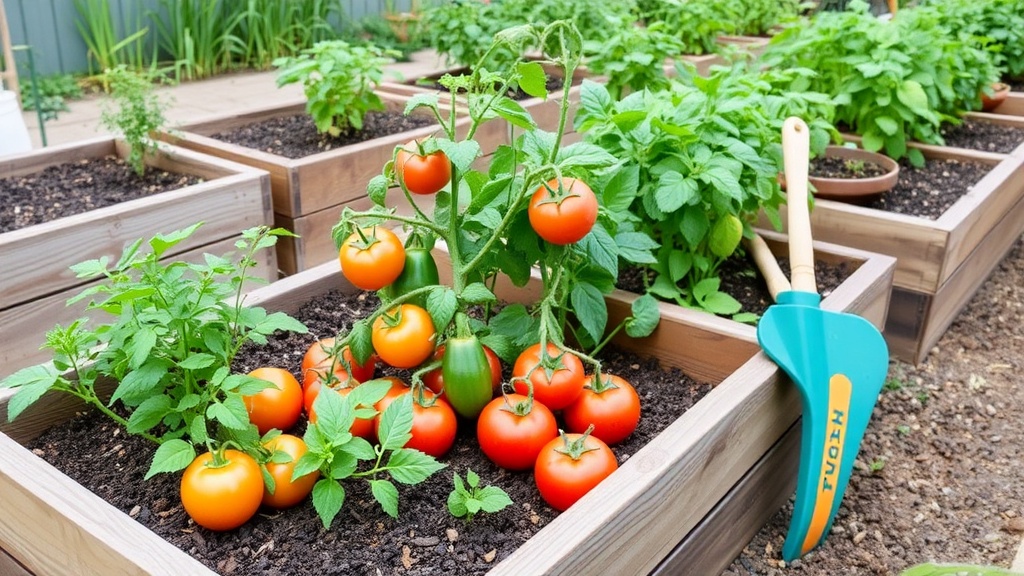
How to Start a Vegetable Garden from Scratch (Complete Beginner’s Guide)

Alright, let me start with a confession.
My first vegetable garden was a disaster.
I planted everything too close together, forgot to check how much sun the spot got, and watered like I was either trying to drown the plants or completely forget they existed.
Somehow we still got a few tomatoes out of it.
The good news is starting a garden isn’t complicated once you break it into steps. You don’t need fancy equipment or a huge yard — just a little planning and a willingness to learn as you go.
Here’s the simple process I recommend to anyone starting their first vegetable garden.
Phase 1: Planning Your Garden
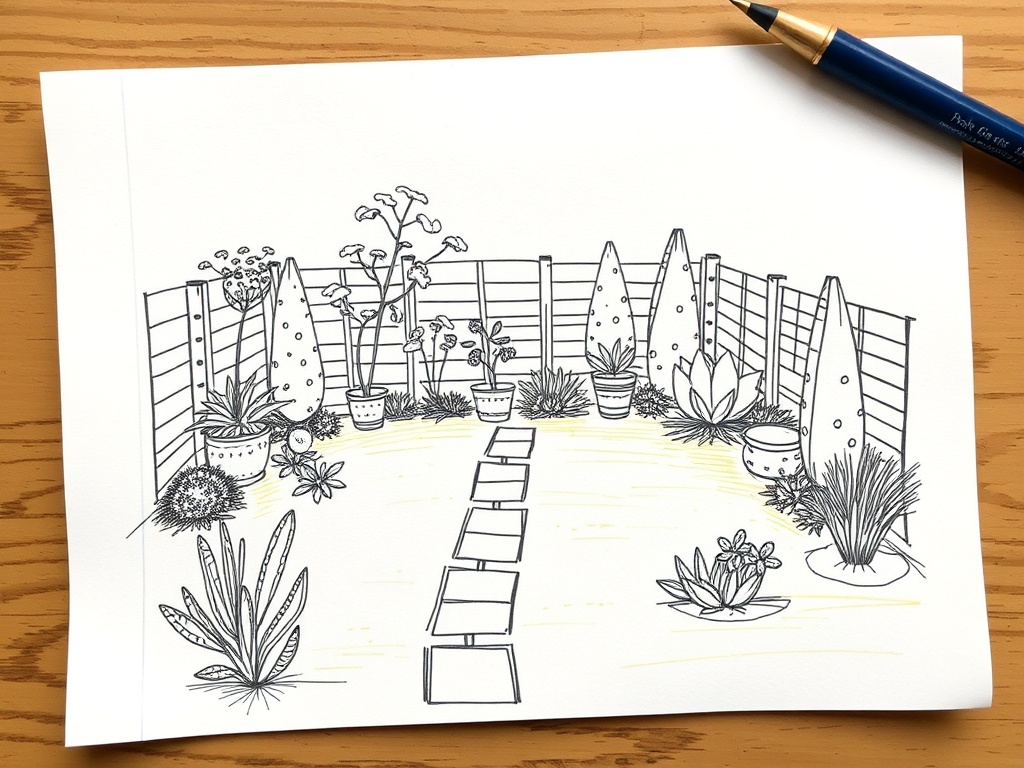
Before buying plants or digging anything, spend a little time planning.
Find the Right Spot
Vegetables love sunlight. Most garden plants need 6–8 hours of direct sun every day.
Walk around your yard and watch where sunlight hits throughout the day. That sunny spot is your future garden.
Also check for:
• Good drainage (no standing water after rain)
• Easy access to a hose
• Space to expand later
Know Your Growing Zone
Different climates grow different plants at different times of year.
The easiest way to check is the USDA Plant Hardiness Zone Map:
Your zone helps determine when to plant certain vegetables.
You can also check planting dates using the Farmer’s Almanac planting calendar:
That tool tells you exactly when to plant based on your zip code.
Phase 2: Preparing the Soil
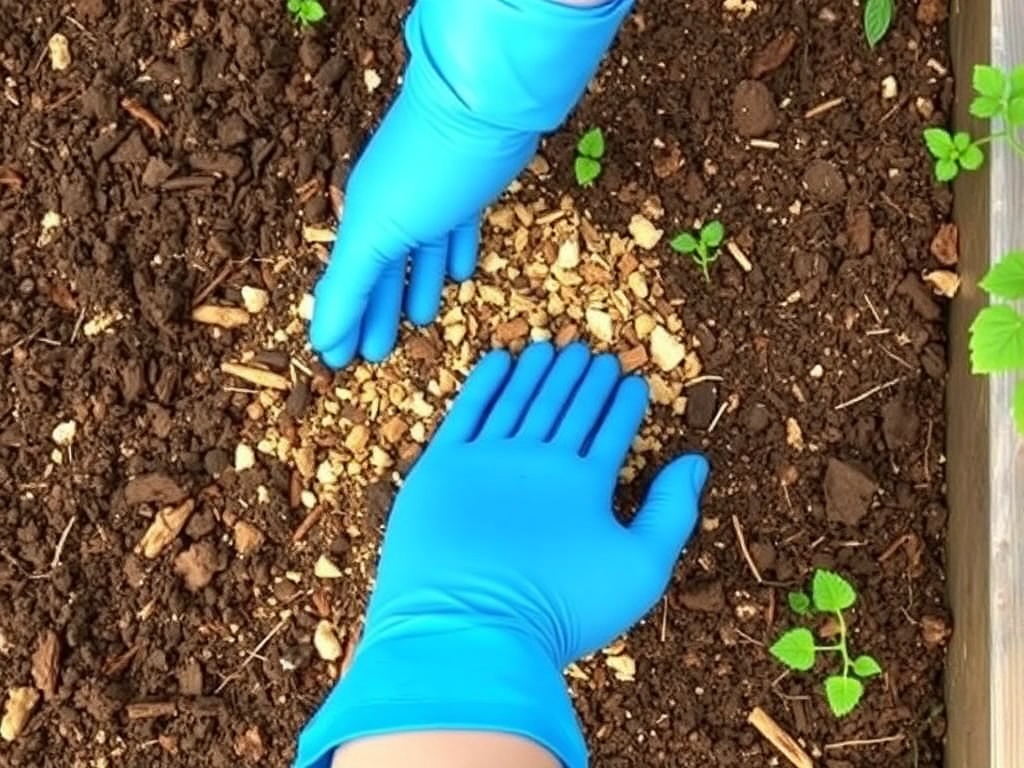
Healthy plants start with good soil.
If you’re planting directly in the ground, loosen the soil about 8–12 inches deep and mix in compost.
If your soil is poor (a lot of backyards have clay), it’s often easier to use raised beds and fill them with quality garden soil.
Two easy beginner options you’ll see at stores like Home Depot:
• Miracle‑Gro Raised Bed Soil
• Espoma Organic Garden Soil
Both work well for first gardens.
Mixing compost into the soil gives plants nutrients and helps retain moisture.
Phase 3: What to Plant First
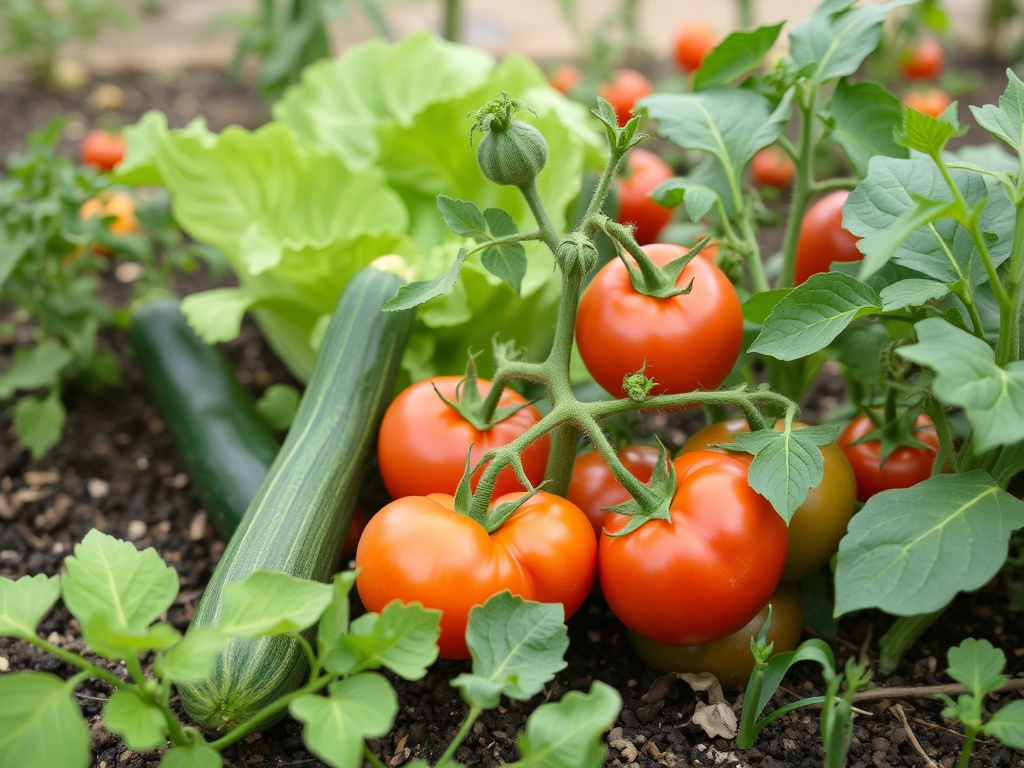
When people start their first garden, they often plant way too many things.
Start simple with vegetables that grow easily.
Great beginner plants include:
• Tomatoes – extremely productive and forgiving
• Zucchini – one plant can produce a ton of food
• Lettuce – fast-growing and easy to harvest
• Herbs – basil, parsley, and mint grow quickly
• Peppers – low maintenance and great in containers
These plants give quick wins, which is the best motivation to keep gardening.
Phase 4: Planting and Watering
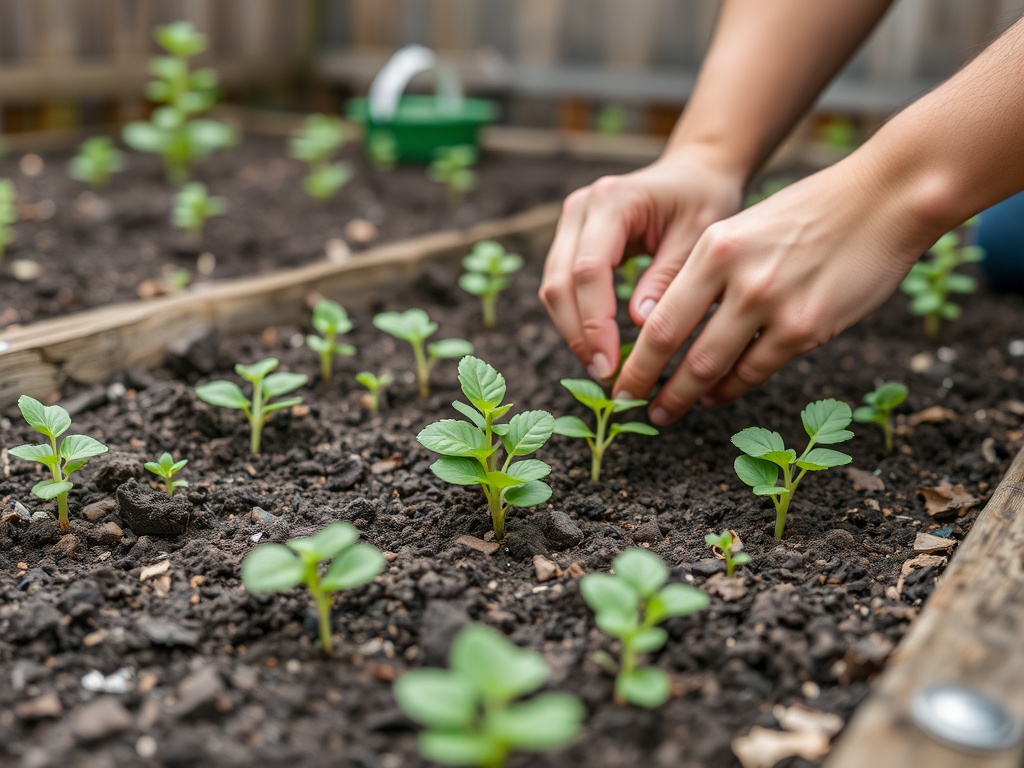
Follow the spacing guidelines on plant tags. Plants need room to grow.
A couple important basics:
• Water deeply a few times per week
• Avoid watering leaves when possible
• Add mulch to keep soil moist
Mulch helps prevent weeds and keeps the soil temperature stable.
When plants start growing quickly, it’s honestly pretty satisfying to watch.
Phase 5: Common Beginner Mistakes
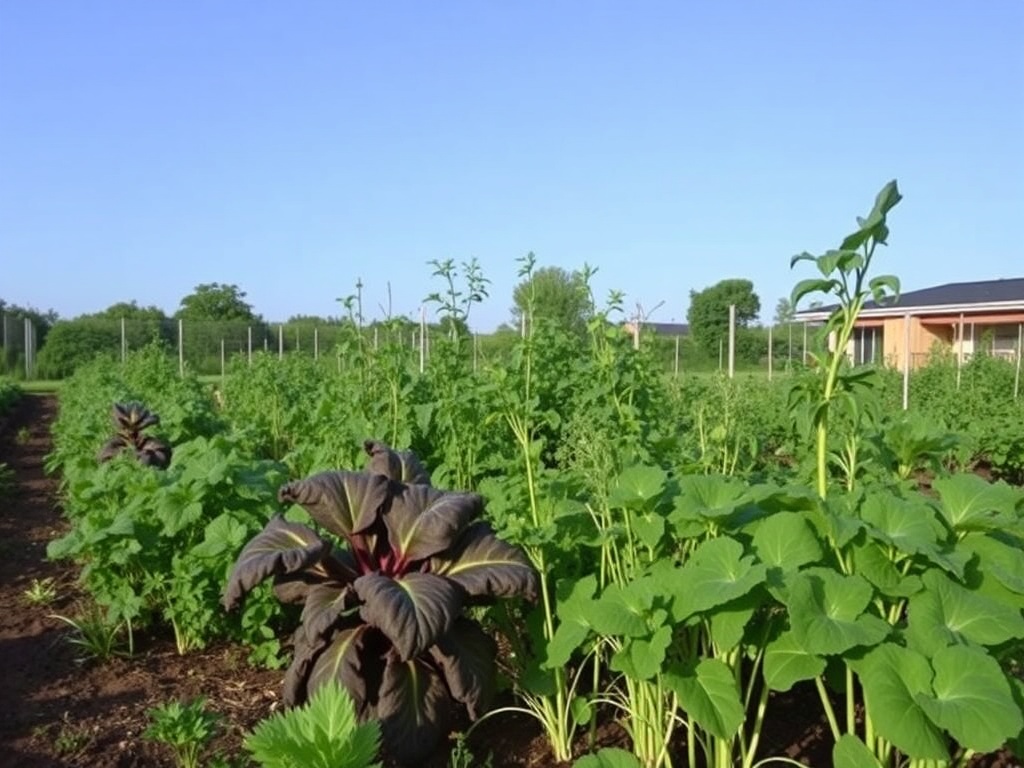
A few mistakes trip up almost every first-time gardener.
• Planting too many vegetables
• Ignoring sunlight requirements
• Overwatering plants
• Not spacing plants properly
I’ve done every one of these.
Gardening is mostly learning by doing.
Tools That Make Gardening Easier
You don’t need much equipment to start gardening.
A few reliable tools help a lot:
• Hand trowel
• Pruning shears
• Garden hose with spray nozzle
Brands like Fiskars and Corona make great beginner gardening tools, and you’ll find them at Lowe’s, Amazon, or most garden centers.
Good tools last a long time and make gardening much easier.
Final Thoughts
Starting a vegetable garden can feel intimidating, but the truth is most plants want to grow.
Give them sunlight, decent soil, and water — and they’ll usually do the rest.
Your first garden won’t be perfect.
Mine definitely wasn’t.
But once you pick your first tomato straight from the plant, you’ll understand why people get hooked on gardening.