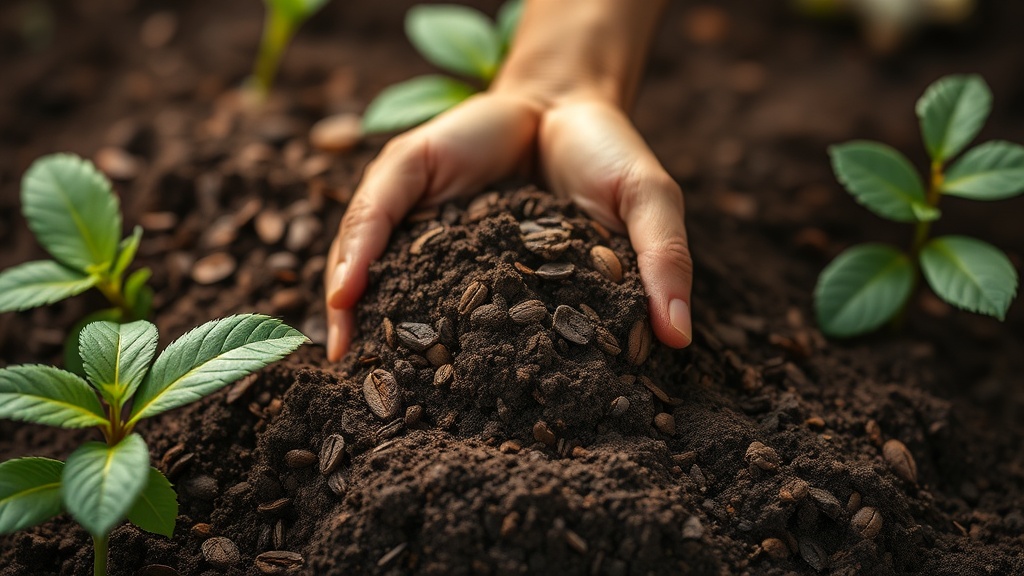
How to Use Coffee Grounds to Boost Your Garden Soil Naturally

Quick Tip
Sprinkle used coffee grounds directly around acid-loving plants like tomatoes, roses, and blueberries to add nitrogen and improve soil structure naturally.
This post covers how to turn used coffee grounds into a free, nitrogen-rich soil amendment. Instead of tossing them in the trash, you'll learn exactly when, where, and how much to add to your garden beds for healthier tomatoes, roses, and leafy greens.
Are Coffee Grounds Good for Plants?
Yes — but with limits. Used coffee grounds contain about 2% nitrogen by volume, plus small amounts of phosphorus and potassium. They also improve soil structure and attract beneficial microbes when composted properly. That said, raw grounds dumped directly onto soil can actually stunt plant growth.
The trick lies in preparation. Fresh, unused grounds are too acidic (pH around 5.0) for most vegetables. Used grounds from your morning brew have a near-neutral pH of 6.5–6.8. Here's the thing: even "used" grounds need to be worked into the soil or composted first. A thick layer on top forms a water-resistant mat that blocks air and moisture.
How Much Coffee Grounds Should You Add to Soil?
Limit coffee grounds to no more than 20% of your total compost volume or soil amendment ratio. For a 4x8 foot raised bed, that's roughly a half-inch layer worked into the top 3–4 inches of soil. In a standard worm bin (like the Worm Factory 360), one pound of grounds per week feeds a healthy red wiggler population without overheating the bin.
| Application Method | Amount | Best For |
|---|---|---|
| Direct soil amendment | 1/2 cup per plant | Acid-loving plants (blueberries, azaleas) |
| Compost pile | 20% of green materials | Balanced nitrogen input |
| Vermicomposting | 1 lb per week | Worm castings production |
| Liquid fertilizer | 2 cups soaked in 5 gallons water | Quick nitrogen boost for leafy greens |
Which Plants Love Coffee Grounds — and Which Don't?
Blueberries, roses, tomatoes, and azaleas thrive with moderate coffee ground additions. Root vegetables? Not so much. Carrots, radishes, and potatoes struggle in nitrogen-heavy soil — it forces leafy top growth at the expense of the roots you're actually trying to harvest.
Worth noting: slugs and snails reportedly hate crawling over coffee grounds. A ring of dried grounds around Hostas or lettuce can deter pests — though research from the Royal Horticultural Society suggests the effect is temporary and works best when grounds are freshly applied after rain.
For balanced soil health, mix coffee grounds with carbon-rich "browns" like dried leaves or shredded cardboard. A good rule of thumb: every bucket of grounds needs two buckets of browns to prevent a slimy, anaerobic mess. The catch? Starbucks and local cafes often give away spent grounds for free — just call ahead and ask for their "Grounds for Your Garden" program bags.
Ready to start composting? The EPA's home composting guide breaks down carbon-to-nitrogen ratios in plain English.