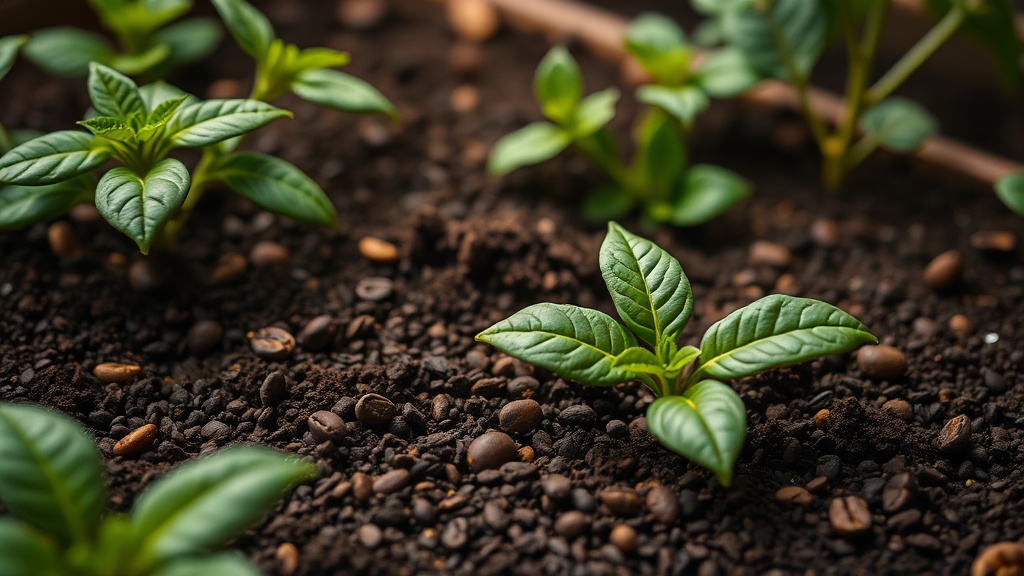
How to Use Coffee Grounds to Feed Your Garden for Free

Quick Tip
Sprinkle used coffee grounds lightly around acid-loving plants or mix them into your compost pile to add nitrogen and improve soil structure without spending a dime.
This post breaks down exactly how to turn used coffee grounds into free fertilizer for garden beds, containers, and compost piles. You'll learn which plants love the extra nitrogen, how much to apply, and the common mistakes that can burn roots or invite mold. No special equipment needed—just what’s already going into the trash.
Are Coffee Grounds Good for Garden Soil?
Yes—used coffee grounds add nitrogen, improve drainage, and attract beneficial microbes when applied correctly. The key word is used; fresh grounds are too acidic for most vegetables and flowers. Once brewed, the pH drops closer to neutral (around 6.5–6.8), making them safe for tomatoes, roses, blueberries, and azaleas. Scatter no more than a half-inch layer around the base of plants, then work it lightly into the topsoil.
Don't dump thick piles. Coffee grounds clump together like wet sand, which blocks water and air from reaching roots. A light sprinkle—think dusting, not burying—keeps everything breathing. Mixing grounds into a home compost bin first is the safest route if you're unsure.
What Plants Benefit Most From Coffee Grounds?
Acid-loving plants and heavy feeders respond best. Blueberries, rhododendrons, hydrangeas, and camellias all appreciate the slow-release nitrogen and slight acidity. Root crops like carrots and radishes can handle small doses too, though they prefer the grounds fully composted.
| Plant Type | Application Method | Frequency |
|---|---|---|
| Blueberries & Azaleas | Sprinkle around drip line | Every 4–6 weeks |
| Tomatoes & Peppers | Mix 1 cup into compost | At planting + mid-season |
| Leafy Greens | Side-dress lightly | Once per month |
| Root Vegetables | Only aged compost | Before sowing |
Worth noting: seedlings and indoor herbs (basil, cilantro, parsley) don't need the extra acidity. Save the grounds for established outdoor plantings.
Can You Put Coffee Grounds Straight Into the Compost?
Absolutely—and it's the best way to use them. Coffee grounds count as "green" nitrogen-rich material, even though they're brown. Balance them with "browns" like dried leaves, straw, or shredded cardboard. Aim for a rough ratio of one part grounds to three parts browns. Starbucks and many local cafés (including Peet's Coffee locations) give away free used grounds in five-pound bags—just ask the counter.
Here's the thing: worms love coffee grounds. Vermicomposting bins (like the Worm Factory 360) process grounds quickly into castings. Add a cup or two per week and bury them under bedding so the bin doesn't get soggy. The catch? Too much caffeine residue can irritate worms in large dumps. Small, regular feedings beat one big heap.
"Used coffee grounds typically contain about 2% nitrogen by volume, plus small amounts of potassium and phosphorus—roughly a 2-0.3-0.2 NPK ratio." — Oregon State University Extension
That said, coffee grounds aren't a complete fertilizer. Pair them with a balanced organic feed like Dr. Earth Home Grown Tomato, Vegetable & Herb Fertilizer if plants look pale or stunted. Think of grounds as a booster shot—not the whole meal.