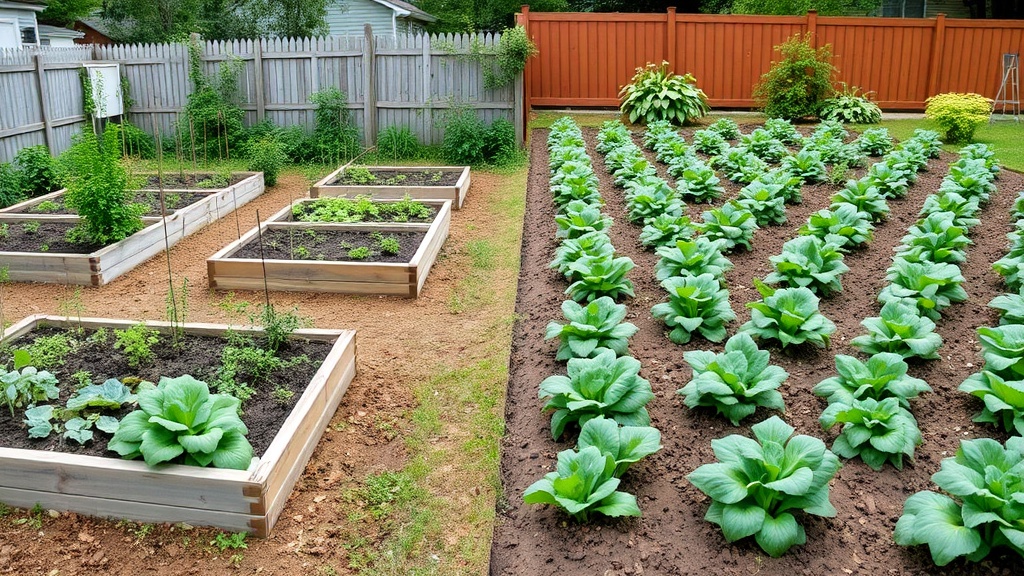
Raised Bed vs In-Ground Garden: Pros and Cons (Which is Better for You?)

Alright, this is one of the first questions people ask when they decide to grow vegetables in the backyard.
Should you build raised beds… or just plant directly in the ground?
I’ve done both in my yard. Some crops grow in raised beds, some go straight into the soil. And the honest answer is there’s no universal "best" option — it depends on your yard, your soil, and how much work you want to do upfront.
So let’s walk through the real pros and cons of each setup.
Quick Comparison
| Category | Raised Beds | In-Ground Garden |
|---|---|---|
| Setup Cost | Higher (lumber + soil) | Lower (mostly soil amendments) |
| Soil Control | Excellent | Depends on native soil |
| Drainage | Very good | Can be poor in clay soil |
| Pest Management | Easier to manage | Harder to control |
| Accessibility | Back-friendly | Requires more bending |
| Aesthetics | Very clean and organized | More traditional garden look |
| Crop Yield | Often slightly higher | Can be very high with good soil |
Cost to Set Up
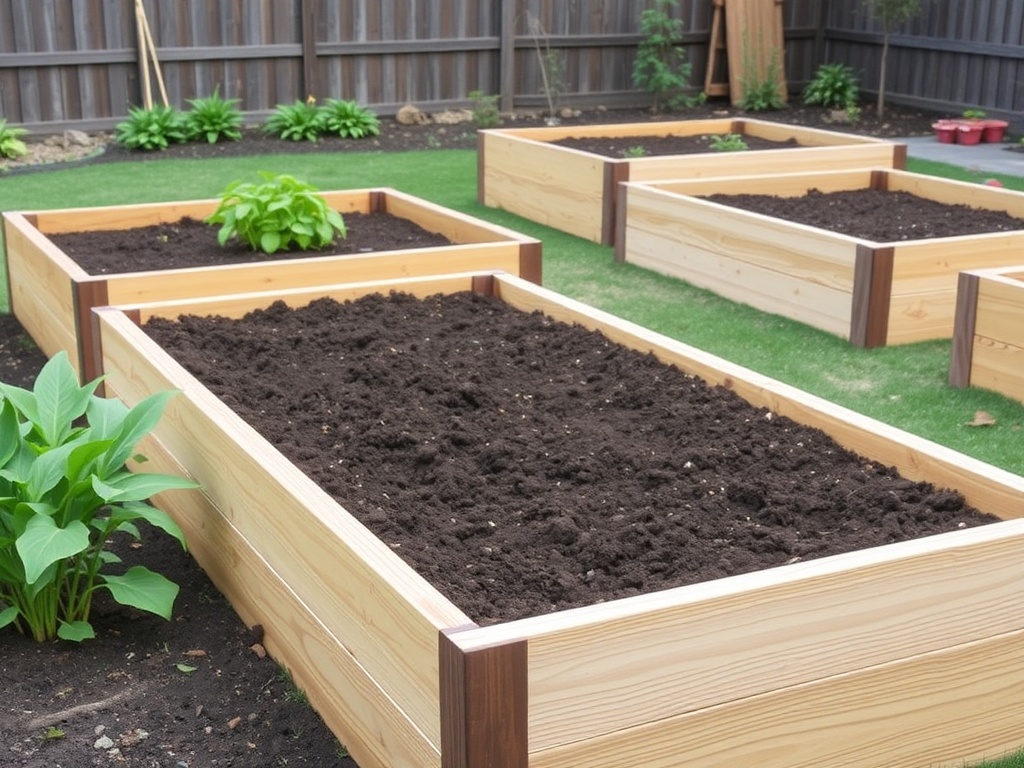
Raised beds require more upfront investment.
Typical costs include:
• Lumber or metal bed frame
• Screws or hardware
• Filling the bed with soil
Popular raised bed options include:
• Birdies Garden Products beds — https://birdiesgardenproducts.com
• Greenes Fence cedar raised beds (available at Home Depot)
• Vego Garden metal raised beds — https://vegogarden.com
Most backyard raised beds cost $150–$400 each depending on size.
In-ground gardens are much cheaper.
Usually you just add soil amendments like:
• Espoma organic soil amendments
• Dr. Earth fertilizers (both widely available on Amazon)
That can cost under $50 for a starter garden.
Soil Quality Control
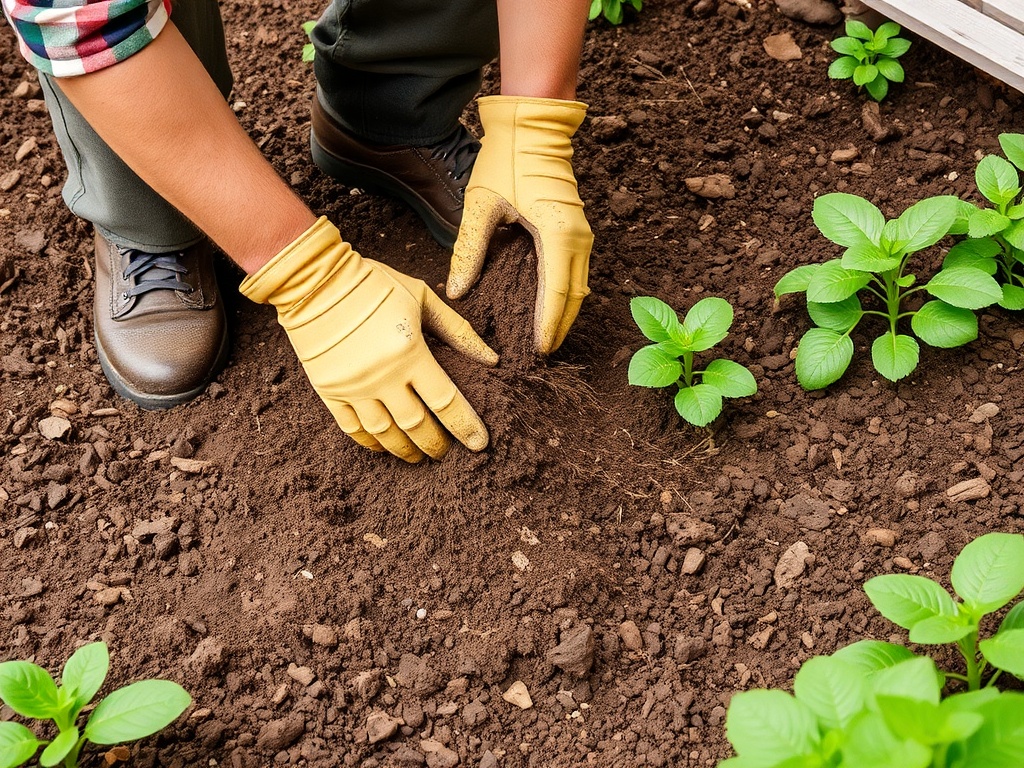
This is where raised beds shine.
Because you’re filling the bed with fresh soil, you control exactly what the plants grow in.
That means:
• better nutrients
• fewer weeds
• easier soil management
With in-ground gardens, you’re working with whatever soil your yard has.
If it’s sandy or clay-heavy, it may take a few seasons of compost and amendments to improve it.
Drainage
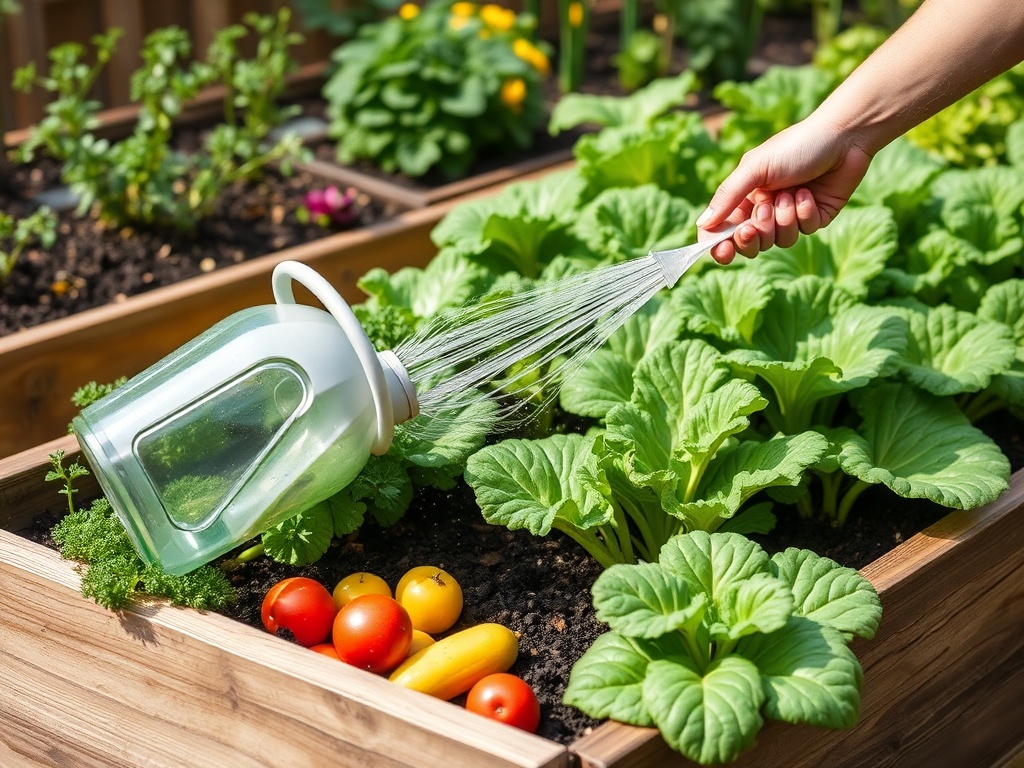
Raised beds drain extremely well.
That’s helpful in areas with heavy clay soil or lots of rain.
In-ground gardens can struggle with drainage if the native soil is compacted.
But if your yard already has good soil structure, in-ground planting works just fine.
Pest Management
Raised beds make pest control easier.
You can add:
• row covers
• small fences
• protective netting
Because the beds are contained, it’s easier to manage the space.
In-ground gardens tend to attract more weeds and critters, simply because they blend into the yard.
Accessibility
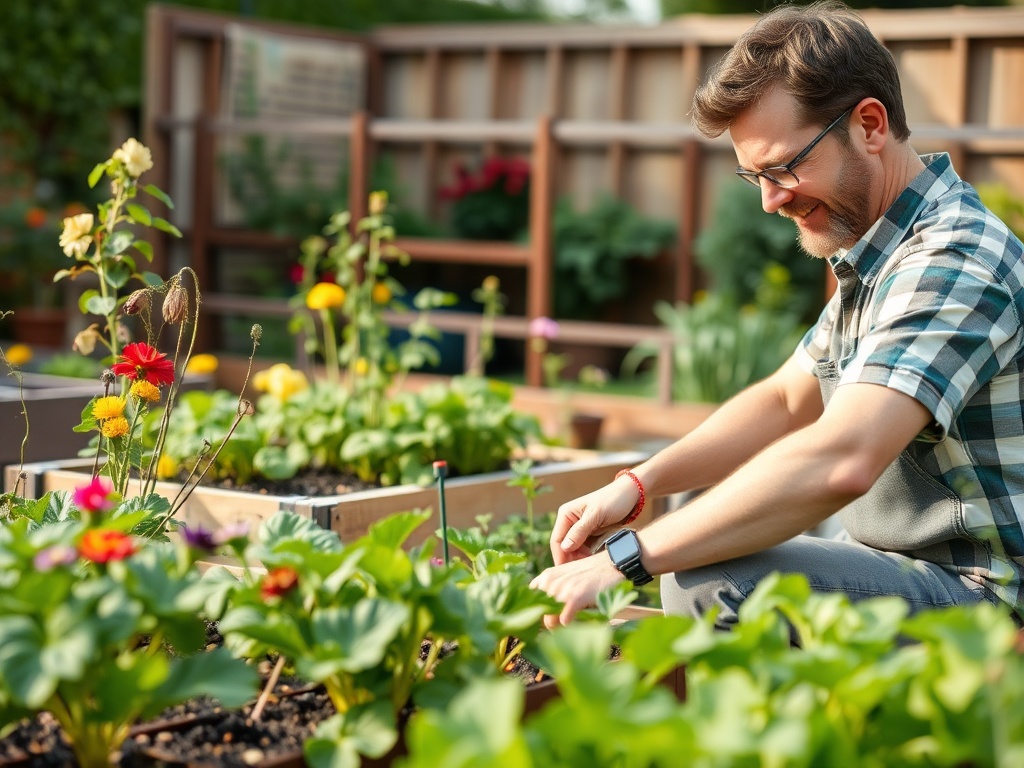
One huge advantage of raised beds is comfort.
They reduce bending and kneeling, which makes gardening much easier on your back.
Some people even build taller raised beds specifically for accessibility.
In-ground gardens usually require more kneeling and bending.
If you’re gardening frequently, that difference matters.
Aesthetics
Raised beds create a very organized backyard garden look.
Straight lines, defined beds, and clear paths between plants.
In-ground gardens feel more traditional and natural.
Both can look great — it mostly depends on the style you want in the yard.
Crop Yield
Crop yields can be excellent in both setups.
Raised beds often produce slightly higher yields early because the soil starts out richer.
But long-term in-ground gardens can produce just as much once the soil improves.
Tips for Renters vs Homeowners
Renters often prefer raised beds because they’re temporary and movable.
Metal beds like Vego Garden beds are especially popular for this.
Homeowners with larger yards may prefer in-ground gardens because they scale more easily.
You can expand rows without building additional structures.
Travis's Take
In my yard, I actually use both systems.
Raised beds grow things like herbs and lettuce where I want easy access.
In-ground rows work great for larger crops like squash and tomatoes.
If you’re brand new to gardening, raised beds are usually the easiest starting point.
But if you’ve got decent soil and a larger space, in-ground gardening works perfectly well too.
Different gardens — same end goal: fresh food from the backyard.