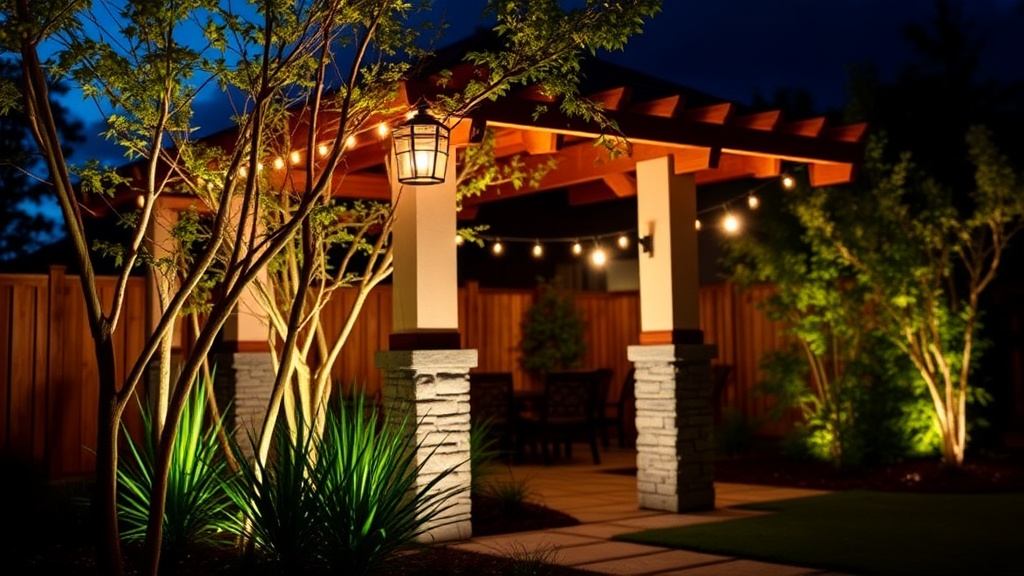
Selecting Durable Outdoor Lighting for Your Backyard Spaces

Lighting up a dark patio area at night can change everything from a spooky corner to a cozy hangout.
Imagine you've just finished a long day of work. You walk out onto your back deck with a cold drink, ready to relax, only to realize you can't see the edge of your stairs. You stumble slightly, or worse, you can't see your guests' faces because the lighting is either too bright and blinding or way too dim to be useful. This isn't just about aesthetics—it's about safety and setting a mood. Whether you're looking to highlight a stone path or just want enough light to see your grill, choosing the right hardware makes a massive difference in how much you actually use your outdoor space.
Most folks think it's just about sticking a few solar lights in the ground and calling it a day. But if you want lights that actually last through a heavy rainstorm or a freezing winter, you need to look closer at the build quality. I've seen plenty of cheap plastic lights end up in a landfill after one season because the seals failed or the battery died. We're going to look at the different ways to light your yard so you don't end up wasting your hard-earned money.
What is the best way to light a dark walkway?
If you have a path leading from your back door to a shed or a fire pit, you need wayfinding lights. These aren't meant to light up the whole yard; they are meant to show people where to step. I usually recommend low-voltage LED path lights for this. Unlike those cheap solar stakes you find at the big-box stores, a low-voltage system connects to a transformer. This gives you consistent brightness and way more control over the light placement. You can bury the wires underground, making the setup look much cleaner and more professional.
When you're picking out path lights, look for:
- Metal Construction: Aluminum or brass will outlast plastic every single time.
- IP Ratings: Look for at least an IP65 rating to ensure the unit can handle rain and dust. - Beam Angle: A narrow beam helps direct light downward toward the path rather than scattering it into your neighbors' windows.
If you're on a tight budget and want to go the solar route, make sure you're buying lights with a dedicated rechargeable battery pack rather than just a single AA battery. It's more reliable in the long run. You can check out the standards for outdoor electrical safety at the National Fire Protection Association to make sure your wiring is up to code.
Should I use string lights or permanent fixtures?
This is a question I get asked constantly by people who want that "café vibe" on their patio. String lights—often called Edison bulbs—are great for creating a warm, inviting atmosphere. They are fantastic for hanging over a dining table or a seating area. However, there is a right way and a wrong way to hang them. If you just drape them over a tree branch, they'll eventually sag or get caught in the wind. I suggest using a stainless steel aircraft cable as a support line. You run the wire through the cable, and the cable takes the tension of the weight, which keeps your lights looking crisp and professional.
On the other hand, permanent fixtures like wall sconces or post lights are better for long-term durability. If you have a brick wall or a wooden pillar, a well-placed sconce provides a steady light source that doesn't move. It’s a more permanent solution for your home's exterior. If you want to see the different types of bulb shapes and how they affect light spread, the Department of Energy has great resources on lighting efficiency and bulb types.
Comparing Common Outdoor Lighting Types
| Type | Best Use | Durability | Maintenance Level |
|---|---|---|---|
| Solar Path Lights | Temporary/Decorative | Low | High (cleaning panels) |
| Low-Voltage LED | Permanent Walkways | High | Low |
| String Lights | Ambiance/Dining | Medium | Medium (tightening cables) |
| Flood Lights | Security/Highlighting | High | Low |
If you're looking for security, you'll want to incorporate a motion-sensor flood light. These are often high-intensity LEDs that trigger when they detect movement. I don't recommend using these as your primary light source for your living areas—they're too harsh—but they're great for keeping a watchful eye on the perimeter of your property. Just make sure the sensor is adjusted so it doesn't go off every time a stray cat wanders through your garden.
How do I keep outdoor lights from failing every season?
The biggest enemy of outdoor lighting isn't the dark; it's the elements. Moisture, UV rays, and temperature swings are constantly trying to break your gear. To keep your lights running, you need to focus on the connections. If you're using a wired system, use waterproof wire nuts or heat-shrink tubing on your connections. A lot of people skip this step, and a year later, they're dealing with a short circuit because a connection rusted out.
Also, keep an eye on your light placement. Don't put your lights directly under a heavy drip line from a roof or a gutter. Even if the fixture is rated for rain, constant dripping will eventually wear down the seals. Similarly, if you're using string lights, make sure they aren't rubbing against rough bark or sharp edges of a fence. Friction is a silent killer of outdoor electronics. I always tell my clients to spend a little extra on the mounting hardware to ensure everything stays put through the winter months.
One thing to watch out for is the light temperature. For a backyard, you want "warm white" (around 2700K to 3000K). If you go with a high-color temperature like 5000K, it will look like a parking lot or a hospital hallway. You want your backyard to feel like a sanctuary, not a construction zone. A warm glow makes the space feel much more welcoming and helps blend the transition from your indoor living room to your outdoor patio.
- Check your connections annually: A quick inspection in the spring can save you a lot of headache in the fall.
- Clean your solar panels: If you use solar, wipe the dust and grime off once a month so they actually catch the sun.
- Test your timers: If you use a timer-based system, make sure it's adjusted for the changing daylight hours as the seasons shift.
If you're planning a bigger project, like a full-scale outdoor kitchen or a multi-level deck, I suggest planning your electrical layout before you even start building the structures. It's much easier to run conduit through a frame while it's open than it is to try and hide wires around a finished corner later. A little bit of foresight goes a long way in making a project look like it was done by a pro rather than a weekend tinkerer.