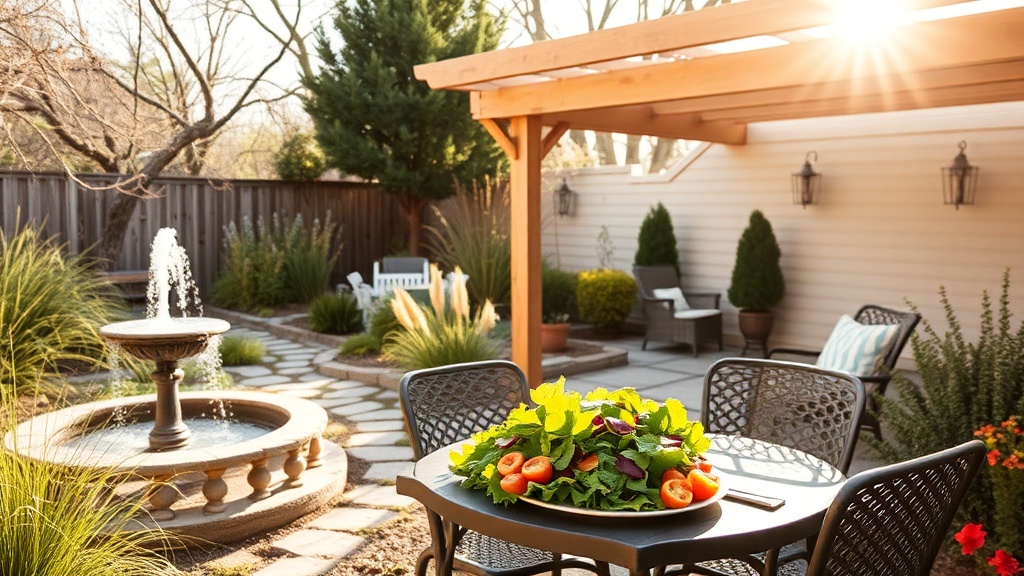
Spring Allergy Relief: Design a Pollen‑Free Backyard Oasis

Are you tired of sneezing through your own backyard? With pollen counts soaring every April, even a simple stroll outside can feel like a symptom–filled marathon. Luckily, you can reclaim your outdoor sanctuary by designing a pollen–free oasis that not only soothes your sinuses but also fuels your body with anti–inflammatory Bio–Harmony meals.
Spring allergy season hits hard in the Raleigh area, but the right combination of plant choices, smart design tricks, and a few delicious meals can turn your backyard from a sneeze‑factory into a breath‑of‑fresh‑air retreat.
Which plants keep pollen out of my backyard?
Choosing low‑allergen vegetation is the foundation of a pollen‑free space. Here are three reliable options:
- Ornamental grasses (e.g., Miscanthus sinensis) – they add texture without producing heavy pollen.
- Dwarf conifers such as Thuja occidentalis ‘Tiny Tim’ – evergreen, dense foliage that traps airborne particles.
- Male‑sterile roses – give you the fragrance and color you love, minus the pollen.
For a deeper dive on low‑pollen selections, see our Garden & Plant Care guide.
How can water features help reduce allergens?
Running water isn’t just soothing; it can actually lower airborne pollen by increasing humidity and capturing particles on its surface. A modest recirculating fountain or a simple outdoor shower positioned near seating creates a micro‑climate that keeps pollen from settling on chairs and tables.
What backyard design tricks create a low‑pollen zone?
Beyond plant choices, consider these practical design steps:
- Strategic screening – install a lattice or pergola with tightly‑woven fabric to block wind‑borne pollen.
- Elevated seating – raised decks keep you above ground‑level pollen layers.
- Smart lighting – use LED floodlights that don’t attract insects, which can exacerbate allergic reactions.
These upgrades are part of our budget backyard upgrade list, perfect for a spring refresh without breaking the bank.
Which Bio‑Harmony meals support allergy relief?
Inflammation fuels allergy symptoms, so eating anti‑inflammatory foods can make a noticeable difference. Try these quick Bio‑Harmony plates:
- Turmeric‑lime quinoa salad – turmeric’s curcumin is a proven anti‑inflammatory agent (Harvard Health).
- Grilled salmon with rosemary – omega‑3 fatty acids help calm immune responses (CDC).
- Mixed berry parfait with kefir – antioxidants and probiotics support gut health, which is linked to allergy severity (AAAAI).
Enjoy these meals on your shaded pergola for a double dose of comfort.
How do I maintain a pollen‑free space year‑round?
Allergy season fades, but pollen can linger. Keep your oasis allergy‑free with a simple routine:
- Run the fountain for at least 30 minutes each morning.
- Trim ornamental grasses after the first frost to prevent seed spread.
- Wash outdoor furniture with a mild soap solution weekly – pollen can settle on surfaces.
Takeaway: By swapping high‑pollen plants for low‑allergen alternatives, adding a modest water feature, employing smart screening, and fueling your body with anti‑inflammatory Bio‑Harmony meals, you can turn spring allergy season into a time you actually look forward to spending outdoors.