Spring Forward: How Daylight Saving Time Impacts Your Backyard Routine & Energy Use

Why does the clock change matter for my backyard?
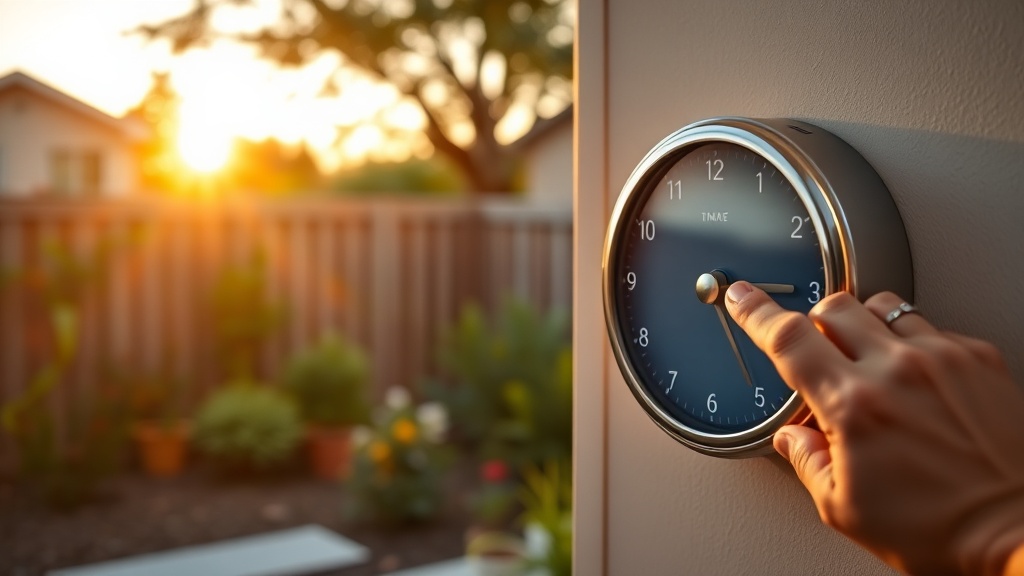
When the clocks spring forward this weekend, we all gain an extra hour of daylight in the evening. For a backyard DIYer, that shift can change when you water the lawn, fire up the grill, or even set up that new patio lighting. More daylight means more opportunities, but it also reshapes your energy consumption patterns.
How will daylight saving affect my daily backyard routine?
Watering schedules: Most smart irrigation controllers, like the ones I reviewed last year, base watering on sunrise and sunset. The hour jump means the controller will automatically shift watering to an earlier time, which can be cooler and save water.
Lighting plans: Outdoor LED lights that turn on at sunset will now illuminate later in the evening. If you’ve installed motion‑sensor lights from my Lighting Guide, you might notice they stay off longer, cutting your electricity bill.
Grilling & entertaining: That extra evening light is perfect for a sunset BBQ. Just remember the grill will be hotter under direct sun, so plan to start a bit earlier to avoid over‑cooking.
What can I do to maximize energy savings after the time change?
- Adjust your smart thermostat: Set it to a slightly cooler temperature during the extended daylight hours. The U.S. Department of Energy recommends a 1‑2°F setback in winter and a 2‑3°F raise in summer for each hour of daylight saved. Energy.gov provides the full guide.
- Reschedule irrigation: Use the controller’s manual override to shift watering to early morning when temperatures are lower. This reduces evaporation and keeps the lawn greener.
- Take advantage of natural light: Move tasks like power‑tool projects or painting to the brighter evenings. You’ll rely less on portable floodlights, which can add up to $10‑$15 a month on your electric bill.
- Check your outdoor outlets: With longer evenings, you may be using more extension cords and power strips. Make sure they’re rated for outdoor use to avoid wasted energy and safety hazards.
How does daylight saving impact my backyard’s energy consumption?
According to the EPA’s Energy Savings Calculator, households that shift lighting usage to natural daylight can save up to 5% on their electricity bill during DST months. The key is to let the sun do the work—use timers, motion sensors, and smart plugs to automate the transition.
Quick checklist for a smooth DST transition
- Update your smart thermostat schedule to reflect the new sunrise/sunset times.
- Review your irrigation controller’s calendar; adjust start times if needed.
- Test motion‑sensor lights after sunset to ensure they trigger at the right moment.
- Plan an evening project—like building a raised garden bed—while the light is still natural.
- Check outdoor power strips for any overloaded circuits.
Takeaway
Daylight Saving Time isn’t just a calendar quirk; it’s a chance to fine‑tune your backyard routine for comfort and lower energy costs. Adjust your smart devices, shift watering, and let the extra light work for you. Your backyard will feel bigger, your lawn greener, and your electric bill lighter.