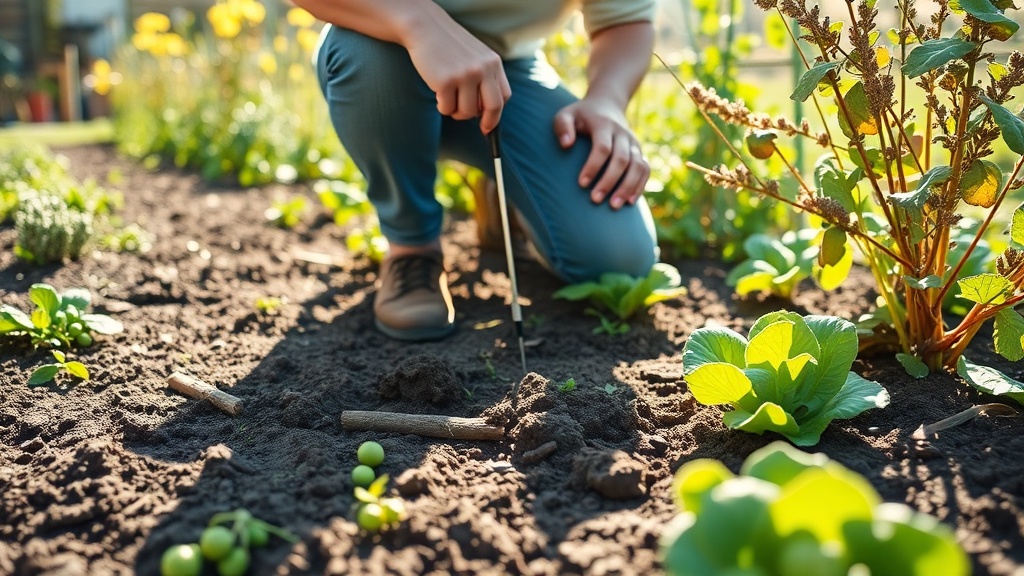
Spring Garden Prep: Test Soil & Pick Amendments for Early Bloomers

Hook:
Ever planted peas only to watch them wilt because the soil was too acidic? I’ve been there—and I’ve learned the hard way that a quick soil test can save you weeks of disappointment.
Context:
Early spring is the perfect window to prep your garden before the heat of summer arrives. With the National Gardening Association reporting a 22% jump in home vegetable planting this year, you’ll want every seed to get the best start possible.
What’s the first step to a thriving spring garden?
Before you break out the seed packets, grab a simple soil‑testing kit (or a cheap mail‑in service). Here’s how I do it on a Saturday morning with the kids:
- Collect a representative sample. Dig a 6‑inch‑deep hole at three spots in the planting area, drop the soil into a clean bucket, and mix it.
- Remove debris. Throw away rocks, roots, and twigs—those skew the pH reading.
- Dry the soil. Spread it on a tray and let it air‑dry for 24 hours. If you’re in a hurry, a low‑heat oven (150 °F) works, but don’t over‑cook.
- Test pH and nutrients. Follow the kit instructions, or send the sample to your local extension service (e.g., the University of North Carolina’s Soil Testing Lab).
Pro tip: I keep a small notebook in the garage titled Garden Soil Log where I jot the pH, nitrogen, phosphorus, and potassium levels for each bed. It’s a quick reference for future seasons.
How do I interpret the results?
| Parameter | Ideal Range for Cool‑Season Crops | What It Means |
|---|---|---|
| pH | 6.0–6.8 | Slightly acidic to neutral promotes nutrient uptake for peas, lettuce, and broccoli. |
| Nitrogen (N) | 20–30 ppm | Needed for leafy growth. Low N = limp leaves. |
| Phosphorus (P) | 15–25 ppm | Encourages root development. |
| Potassium (K) | 150–200 ppm | Improves overall plant vigor and disease resistance. |
If any value falls outside the sweet spot, you’ll need to amend the soil. Below is my go‑to amendment list.
Which amendments should I add, and how much?
1. Lime — for high acidity
When to use: pH < 6.0.
How much: Roughly 5 lb per 100 sq ft of soil for a 6‑inch depth. Spread, work into the top 6 inches, and water.
2. Sulfur — for overly alkaline soil
When to use: pH > 7.0.
How much: About 3 lb per 100 sq ft. Same incorporation method as lime.
3. Compost — the all‑rounder
When to use: Low organic matter or poor structure.
How much: 2‑3 inches on top of the bed, then till lightly. Compost raises both N and P modestly while improving moisture retention.
4. Blood Meal — nitrogen boost
When to use: N < 20 ppm.
How much: 1 lb per 100 sq ft. Mix into the soil; it releases nitrogen quickly—perfect for early leafy crops.
5. Rock Phosphate — phosphorus source
When to use: P < 15 ppm.
How much: 2 lb per 100 sq ft. It’s slow‑release, so apply now and let it work over the season.
6. Greensand — potassium and micronutrients
When to use: K < 150 ppm or micronutrient deficiency.
How much: 1‑2 lb per 100 sq ft. It also improves soil texture.
How do I apply the amendments without breaking the bank?
I’m a contractor, not a billionaire. Here’s how I keep costs low:
- Buy in bulk. Local garden centers often give a discount for a 50‑lb bag of lime or compost.
- Mix your own. Combine lime, sulfur, or gypsum in a large tarp rather than purchasing pre‑blended mixes.
- Use kitchen scraps. Coffee grounds and eggshells add calcium and potassium for free.
- Leverage community resources. Many municipalities offer free or cheap compost pick‑up.
When should I re‑test the soil?
For a brand‑new garden bed, test once after amendment incorporation and again after the first planting cycle (about 6‑8 weeks). If you’re rotating crops annually, a yearly test keeps you ahead of nutrient depletion.
Takeaway
A quick soil test, followed by targeted amendments, turns a mediocre spring garden into a reliable food source. Grab a kit, note the numbers, add the right lime, sulfur, compost, or specialty amendments, and you’ll see healthier seedlings within days. Happy planting, and enjoy those early‑season harvests!
Related Reading
- The Ultimate Spring Yard Cleanup Checklist (2026 Edition) – a quick‑hit list to clear debris before you test soil.
- Best Smart Irrigation Controllers for 2026: Save Water and Keep Your Lawn Happy – keep your amended beds evenly moist.
- Raised Bed vs In‑Ground Garden: Pros and Cons (Which is Better for You?) – decide the best layout for your amended soil.
- How to Build a Backyard Greenhouse for Under $500 – extend your early‑season growing window.
Sources
- National Gardening Association, 2025 Home Gardening Trends Report (2026) – https://garden.org/trends2025
- University of North Carolina Extension, Soil Testing Basics – https://extension.unc.edu/soil-testing
- USDA NRCS, Soil Amendment Guide for North Carolina – https://www.nrcs.usda.gov/soil-amendments-nc
<meta.faqs>
[
{"question": "How often should I test my garden soil?", "answer": "Test before planting each season, then retest after the first harvest or every 2–3 years for long‑term beds."},
{"question": "What pH is ideal for early spring vegetables?", "answer": "Aim for a pH between 6.0 and 6.8; peas, lettuce, and broccoli thrive in this slightly acidic range."},
{"question": "Which soil amendments improve nutrient levels for cool‑season crops?", "answer": "Lime or sulfur to adjust pH, compost for organic matter, blood meal for nitrogen, rock phosphate for phosphorus, and greensand for potassium and micronutrients."}
]
</meta.faqs>