
Spring Refresh: Bio‑Harmony Meal Prep to Sync Your Diet with Your Circadian Rhythm

Can Your Body Clock Really Influence How You Feel After a Meal?
Imagine waking up on a crisp spring Saturday, stepping into a sun‑lit kitchen, and grabbing a bowl of fresh salad that not only tastes amazing but also fuels you exactly when your body needs it. That’s the promise of bio‑harmony—the practice of aligning what you eat with your internal circadian rhythm. Recent research from Harvard Health Publishing shows that timing meals with your body’s clock can improve metabolism, sleep quality, and overall energy levels.
Why Is Spring the Perfect Time for a Bio‑Harmony Reset?
Spring is nature’s reset button. Daylight lengthens, temperatures rise, and fresh, seasonal produce becomes abundant. Your circadian rhythm is especially sensitive to light cues during this transition, making it an ideal window to recalibrate eating habits. By pairing spring’s bounty with the science of chrononutrition, you can create a meal plan that feels both natural and powerful.
What Are the Core Principles of Bio‑Harmony Meal Planning?
- Eat with Light: Align larger meals with daylight hours, especially after sunrise.
- Mind the Mid‑Day Dip: Keep lunch moderate; avoid heavy, high‑fat foods when the body’s insulin sensitivity dips around 2 PM.
- Early Dinner, Light Evening: Finish your main meal by early evening (around 6‑7 PM) and keep nighttime snacks light and protein‑focused.
- Seasonal Choices: Choose foods that are in season to support both your body’s rhythm and the environment.
These pillars are the backbone of the guide below.
How Do I Structure My Day Around the Clock?
Below is a simple, hour‑by‑hour framework you can adapt to your own schedule. Feel free to shift times forward or backward to match your work hours, but keep the relative order the same.
6 AM – 9 AM: Wake‑Up & Breakfast
Start with a light, protein‑rich breakfast that includes a source of healthy fats. Example: 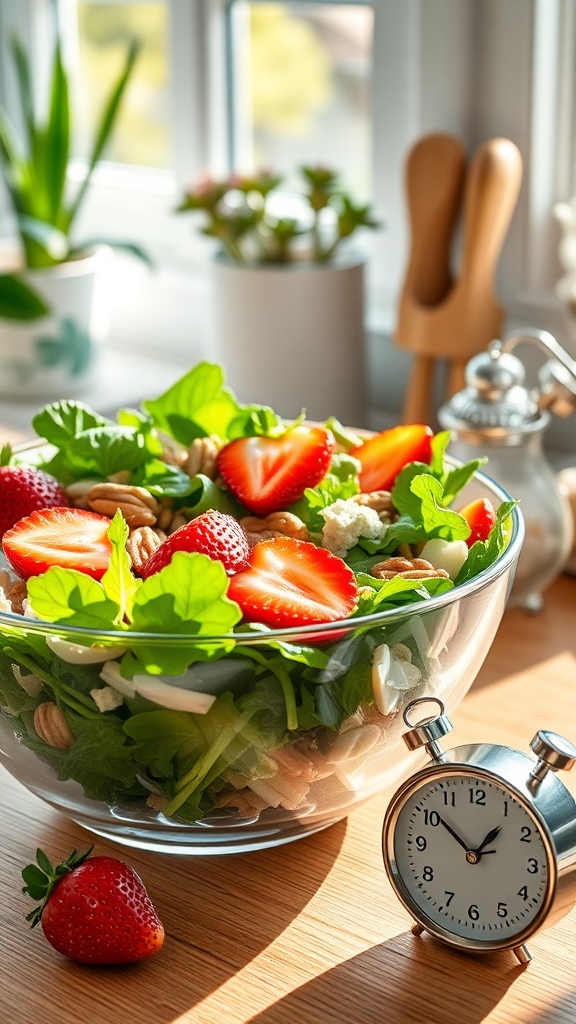 A fresh spring salad with mixed greens, strawberries, walnuts, and a boiled egg provides carbs, protein, and antioxidants to jump‑start metabolism.
10 AM – 12 PM: Mid‑Morning Snack & Light Activity
Keep the snack simple: a handful of almonds or a piece of fruit. If you’re working outdoors, a short walk in the morning sun reinforces the light cue for your internal clock.
12 PM – 2 PM: Lunch – The Balanced Plate
Lunch should be moderate in calories, balanced across macronutrients, and include plenty of fiber. A quinoa bowl with roasted spring vegetables (asparagus, peas, radishes) and grilled chicken or tofu works well. NIH research indicates that a protein‑carb combo at this time supports steady blood sugar through the afternoon slump.
2 PM – 5 PM: The Energy Dip – Keep It Light
When your insulin sensitivity naturally wanes, avoid heavy meals. Opt for a small snack like Greek yogurt with honey, or a green smoothie. If you’re still hungry, a vegetable broth can be soothing without overloading digestion.
6 PM – 7 PM: Dinner – Early, Light, and Protein‑Focused
Finish your main meal by early evening. Think lean protein (fish, beans) with roasted root veggies and a side of leafy greens. A simple baked salmon with lemon, served alongside sautéed kale and roasted carrots, hits the sweet spot for nutrient density while staying light enough for a good night’s sleep.
8 PM – 10 PM: Evening Snack (Optional)
If you need a snack, keep it protein‑rich and low‑carb: cottage cheese with sliced cucumber, or a small portion of nuts. This helps maintain muscle repair overnight without spiking blood sugar.
Which Spring Produce Should I Prioritize?
Seasonal foods are not only fresher and cheaper; they also contain the nutrients your body craves during the spring transition. Here are five staples to stock your pantry with:
- Asparagus: High in folate and antioxidants; great roasted or grilled.
- Rhubarb: Low‑calorie, perfect for tangy desserts or sauces.
- Strawberries: Vitamin C powerhouse; ideal in salads or smoothies.
- Peas: Plant‑based protein and fiber; adds sweetness to grain bowls.
- Mint: Supports digestion; sprinkle over salads or tea.
For a full seasonal guide, check out the USDA’s seasonal produce calendar.
How Do I Keep My Meal Prep Simple and Sustainable?
Preparation is the bridge between intention and execution. Follow these three steps to make spring meal prep a breeze:
- Batch‑Cook Grains: Cook a large pot of quinoa or brown rice on Sunday; portion into containers for the week.
- Pre‑Wash & Store Greens: Rinse lettuce, spinach, and herbs; spin dry and store in airtight containers with a paper towel to keep them crisp.
- Label Timing: Use your phone or a kitchen timer to label containers with suggested eating windows (e.g., “8 AM Breakfast”, “12 PM Lunch”). This visual cue reinforces bio‑harmony.
What Are Common Mistakes and How Can I Avoid Them?
- Skipping Breakfast: Skipping the first meal can throw off cortisol rhythms. Even a small bite of fruit or a protein bar helps reset.
- Late‑Night Heavy Meals: Eating large portions after 8 PM can disrupt melatonin production, leading to poorer sleep.
- Ignoring Light Exposure: Pair meals with natural light. If you’re indoors, consider a bright daylight lamp during lunch.
Where Can I Learn More About Chrononutrition?
For deeper scientific background, explore these resources:
- Nature article on circadian timing of food intake (2023)
- Healthline’s Chrononutrition Overview
- Salk Institute research on meal timing
How Does This Fit Into My Overall Backyard Lifestyle?
Bio‑harmony isn’t just about the kitchen; it’s part of a holistic spring refresh. Pair your new meal schedule with other backyard projects you’ve already tackled, like the Spring Cleaning Your Kitchen guide, or the Circadian Lighting Home Office article. When your environment, lighting, and food all work together, the energy boost is undeniable.
Ready to Start Your Bio‑Harmony Spring Reset?
Take the first step today: pick three seasonal ingredients, plan your breakfast‑to‑dinner timeline using the framework above, and set a reminder on your phone for each eating window. Within a week you’ll notice steadier energy, better focus, and a clearer mind—perfect for tackling those backyard projects you’ve been dreaming about.
Takeaway
Spring offers a natural cue to realign your diet with your body’s internal clock. By following the bio‑harmony principles—eating with light, timing meals around insulin peaks, choosing seasonal produce, and simplifying prep—you’ll fuel your body for renewed energy and productivity. Start small, stay consistent, and watch your backyard (and your health) thrive.