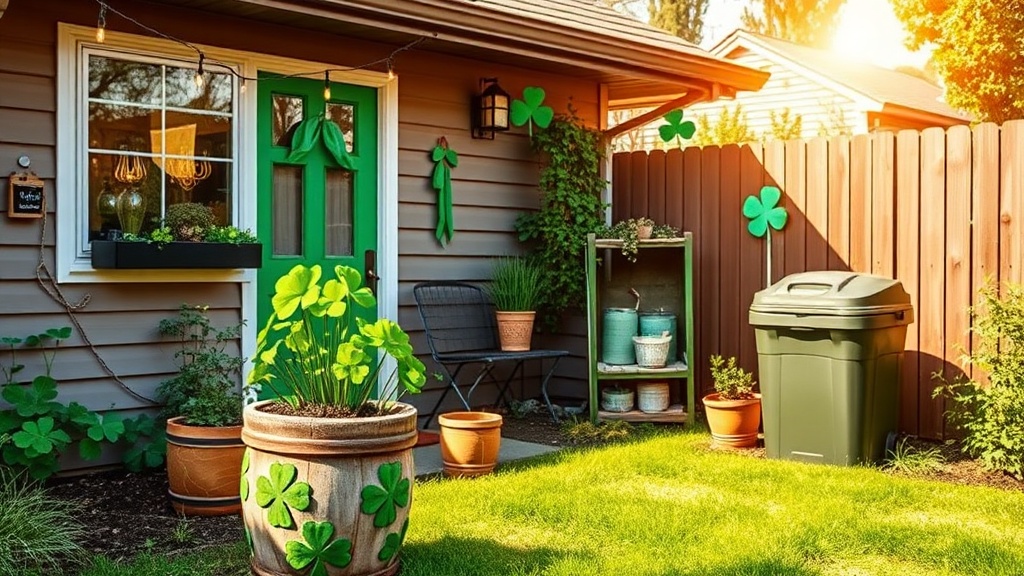
Sustainable St. Patrick's Day Backyard Ideas: Green Tips

Looking to go green this St. Patrick’s Day without sacrificing the festive vibe? Imagine a backyard lit by solar string lights, potted shamrocks thriving in compost, and a menu that tastes as fresh as the spring air—all while keeping your carbon footprint low.
Why does a sustainable celebration matter?
St. Patrick’s Day is traditionally a day of abundance—think bright greens, hearty meals, and lots of party gear. But the environmental cost of single‑use decorations, excess food waste, and energy‑guzzling lighting can add up fast. By swapping a few habits, you can honor the Irish spirit and the planet.
How can I decorate my backyard sustainably?
- Upcycled shamrock pots: Repurpose old tin cans, wine bottles, or wooden crates. Paint them with non‑toxic chalk paint and fill with soil for potted shamrocks. Read my previous guide for step‑by‑step tips.
- Natural garlands: String together fresh herbs like rosemary, thyme, and mint. They add aroma, look vibrant, and can be tossed into the compost after the party.
- Solar string lights: Choose LED strands with built‑in solar panels. They charge during the day and glow all night without pulling from the grid. See my Solar vs Wired Outdoor Lights comparison for the best models.
- Recyclable banners: Use fabric or biodegradable paper instead of plastic vinyl. Print designs on compostable cardstock from a local print shop.
What green food and drink ideas keep the celebration tasty?
- Seasonal Irish stew: Use locally sourced lamb or a plant‑based alternative, carrots, potatoes, and cabbage. The USDA’s local produce guides can help you find nearby farms.
- DIY green cocktail: Blend cucumber, mint, lime, and a splash of Irish whiskey. Serve in reusable glassware or mason jars.
- Compost‑friendly leftovers: Plan portions so leftovers can be added to your compost bin—no meat waste, just veggie scraps.
- Zero‑waste dessert: Make a “shamrock” oat crumble using oats, almond milk, and a drizzle of honey. It’s sweet, sustainable, and packs a nutritional punch.
How do I make lighting energy‑efficient?
Beyond solar strings, consider these low‑impact options:
- LED lanterns on rechargeable batteries: They’re brighter than candles and eliminate fire risk.
- Motion‑sensor floodlights: Only turn on when guests arrive. Pair them with a timer to shut off after the party.
- Reflective mirrors: Position mirrors to bounce existing light into darker corners, reducing the number of fixtures needed.
For a deeper dive into fan choices that keep evenings cool without cranking the AC, check out my Best Outdoor Ceiling Fans for Covered Patios review.
Can I incorporate composting and waste reduction?
Absolutely. Set up a small compost station in a corner of your yard. Use a sturdy, ventilated bin—my vermicomposting guide walks you through building one from a trash can and red wiggler worms.
- Separate bins: One for recyclables, one for organics, and a third for landfill waste.
- Biodegradable plates: Choose bamboo or palm leaf options that break down quickly.
- Reusable drinkware: Encourage guests to bring their own cups; provide a cleaning station with a simple outdoor shower setup (how-to guide).
What fun, low‑impact activities can I add?
- Shamrock scavenger hunt: Hide upcycled shamrock markers around the garden. Kids (and adults) love the search, and you can reuse the markers for next year.
- DIY green paint station: Mix water, food‑grade coloring, and a touch of cornstarch for a non‑toxic paint kids can use on wooden pallets.
- Story circle: Share the legend of St. Patrick using a portable speaker powered by a solar power bank.
Takeaway: Celebrate responsibly, celebrate loudly
Going green this St. Patrick’s Day isn’t about skimping on fun—it’s about swapping wasteful habits for clever, reusable solutions. Deck your backyard with upcycled decor, light it with solar LEDs, serve seasonal, local fare, and compost the leftovers. Your guests will notice the thoughtfulness, and the planet will thank you.
Related Reading
- Eco‑Friendly St. Patrick’s Day Backyard Ideas: Sustainable Celebration Tips — More décor ideas and a step‑by‑step DIY guide.
- Solar vs Wired Outdoor Lights: Which Should You Choose? — Pick the best lighting for any backyard event.
- The Complete Guide to Composting with Worms — Turn kitchen scraps into black gold for your garden.