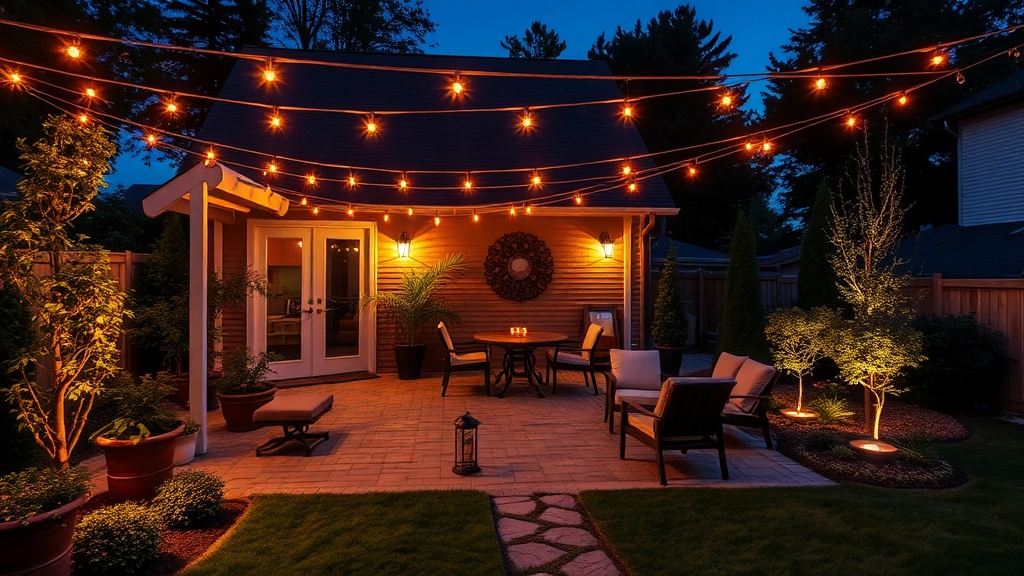
The Ultimate Guide to Backyard Lighting

Alright, here’s something most people don’t realize about backyard design.
Lighting matters more than almost anything else.
You can have a great patio, nice furniture, maybe even a fire pit — but once the sun goes down, the yard disappears unless you light it properly.
The good news is backyard lighting doesn’t have to be complicated or expensive. Most of it is plug‑and‑play these days, and you can build a really great setup over a couple weekends.
Let’s walk through the main types of outdoor lighting and where they actually make sense in a backyard.
Lighting Zones to Think About
Before buying anything, it helps to think about your yard in zones.
Most backyards usually need lighting in five places:
• Patio or entertaining area
• Walkways and paths
• Garden beds and landscaping
• Decks or steps
• Security or accent lighting
Once you break it into zones, choosing lights gets much easier.
Patio & Entertaining Area Lighting
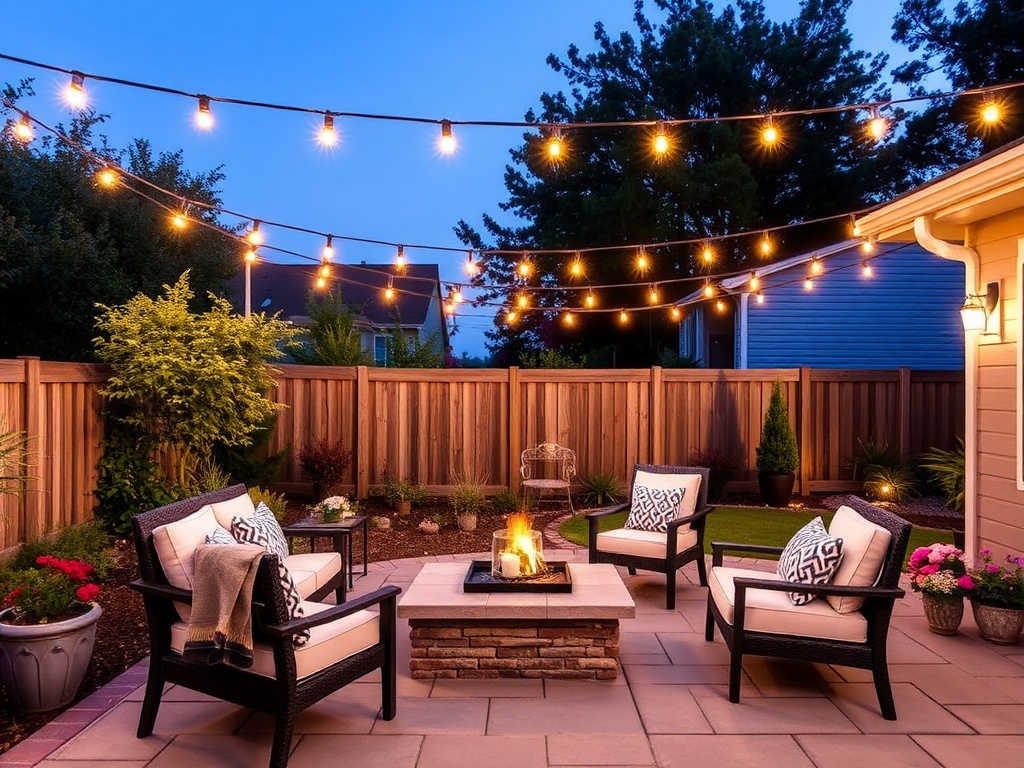
String lights are easily the most popular backyard lighting option.
They’re inexpensive, easy to install, and instantly make a patio feel finished.
Two good options people use a lot:
• Brightech Ambience Pro string lights
• Feit Electric LED string lights (often sold at Costco)
Both are durable outdoor lights that hold up well to weather.
Installation Tip
Run string lights between:
• house eaves
• pergolas
• fence posts
• or simple 4×4 posts in the ground
Leave a slight sag between anchor points for that classic café look.
You’ll find good options at Amazon, Costco, Home Depot, or Lowe’s.
Walkway Lighting
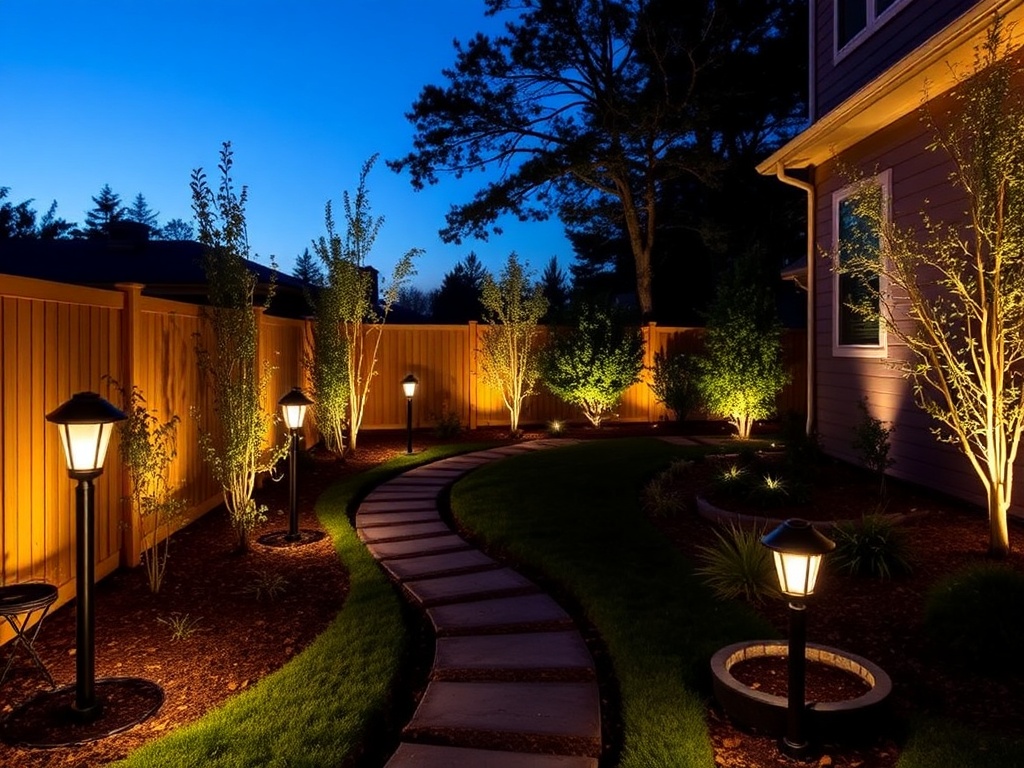
Path lights help people move around the yard safely after dark.
The easiest option is solar lights.
A common beginner pick is:
• Hampton Bay solar path lights from Home Depot
They charge during the day and turn on automatically at night.
Installation Tip
Place path lights about 6–8 feet apart along walkways or garden edges.
This creates soft guidance lighting without turning the yard into a runway.
Garden Bed Spotlights
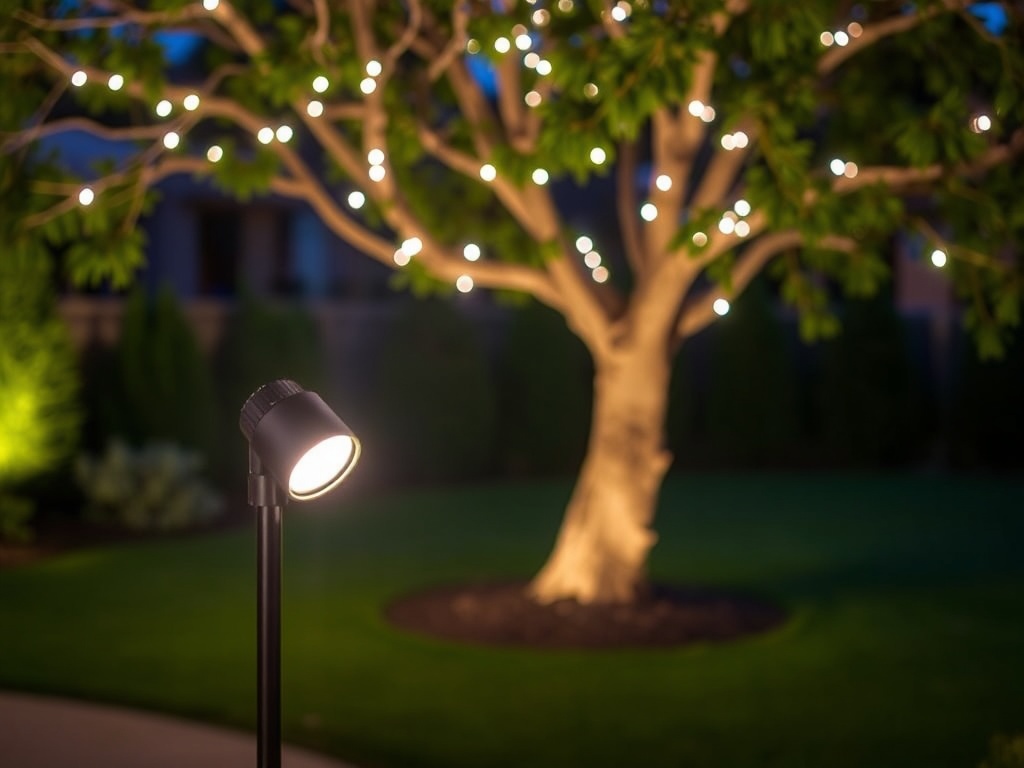
Landscape spotlights highlight trees, plants, and architectural features.
These usually run on low‑voltage systems.
Two well-known brands:
• Volt Lighting
• WAC Lighting
Low-voltage systems are popular because they’re safe and fairly easy to install.
Installation Tip
Place spotlights at the base of trees or large shrubs and aim upward.
This creates dramatic shadows and depth in the yard.
Deck and Step Lighting
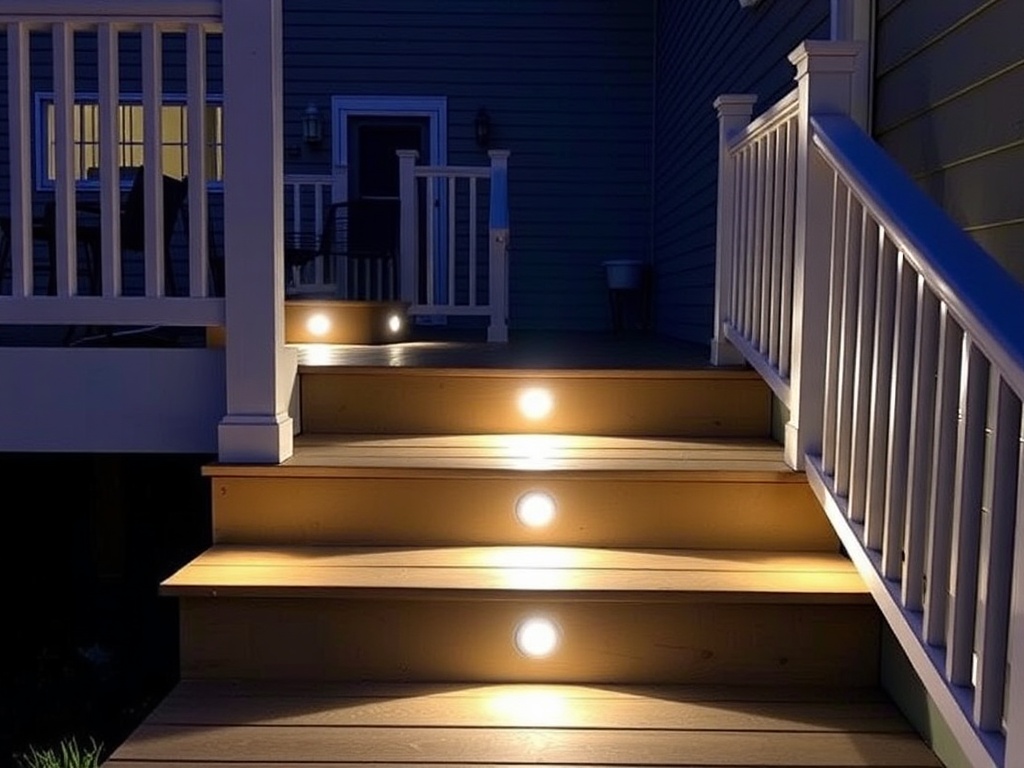
Deck lighting improves safety and looks great at night.
Common types include:
• recessed step lights
• post cap lights
• under‑rail LED strips
These can be low-voltage or solar powered depending on the setup.
If you’re already building a deck, running low‑voltage wiring at the same time makes installation much easier.
Smart Outdoor Lighting
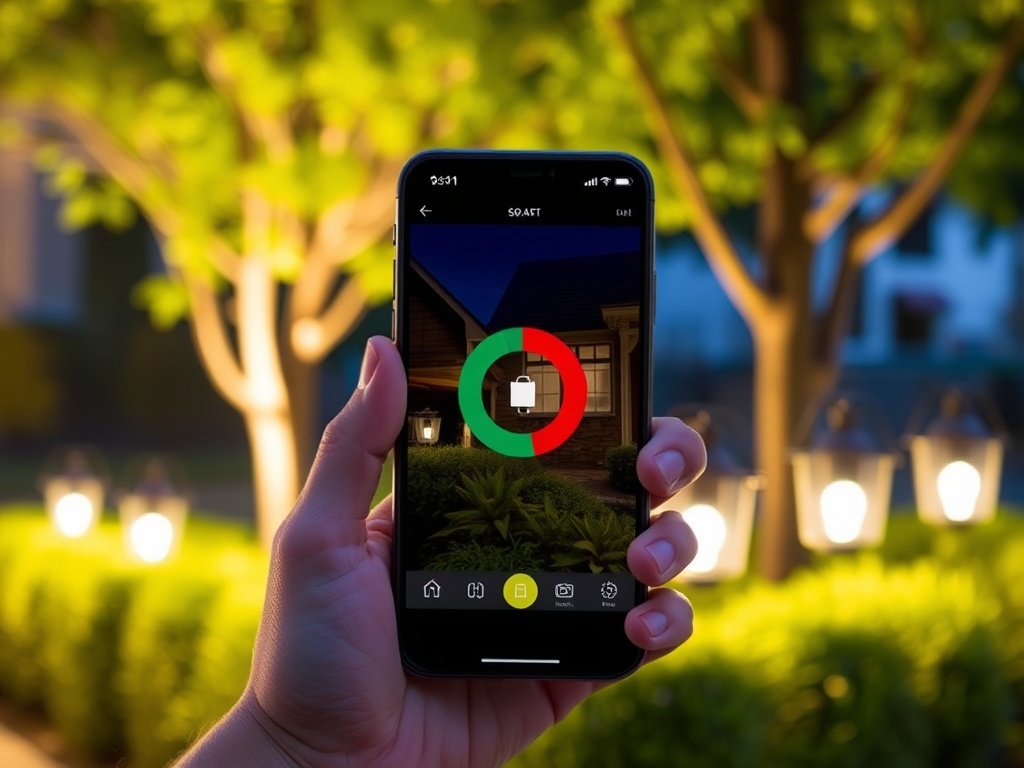
Smart lighting has become really popular for outdoor spaces.
Two common systems:
• Philips Hue Outdoor lights
• Ring Smart Lighting (available on Amazon)
These allow you to:
• control lights from your phone
• automate schedules
• integrate with security cameras
Smart lights cost more but add convenience.
Lumens vs Watts (What Actually Matters)
People used to choose lights by watts, but modern LEDs use lumens to measure brightness.
Quick outdoor guidelines:
• Path lights: 100–200 lumens
• Landscape spotlights: 300–700 lumens
• Patio string lights: 50–100 lumens per bulb
Higher lumens = brighter light.
For outdoor spaces, softer lighting usually looks better than extremely bright lights.
Installation Types Explained
Solar lights
• easiest installation
• no wiring required
• brightness depends on sunlight
Low‑voltage lighting
• very common landscape system
• safe for DIY installation
• requires transformer and wiring
Hardwired lighting
• connected directly to house electrical
• brightest option
• often installed by electricians
Most DIY backyard lighting setups use solar or low‑voltage systems.
Backyard Lighting Setup Under $300
Here’s a simple budget setup that works really well.
• String lights for patio — $80
• Solar path lights — $40
• Two landscape spotlights — $120
• Deck step lights — $50
Total: about $290.
That’s enough lighting to completely change how the yard feels at night.
Final Thoughts
Backyard lighting doesn’t need to happen all at once.
Start with the patio where people gather, then add path lights and landscape lighting over time.
Once a few lights go in, the backyard suddenly becomes a place people want to stay long after sunset.