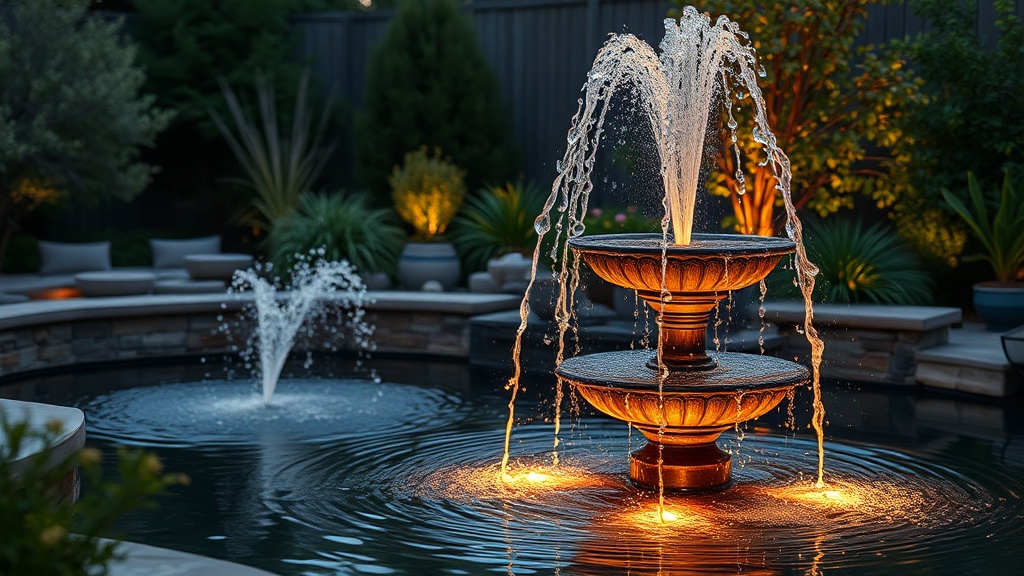
Why You Need a Dedicated Water Feature in Your Backyard

Imagine a homeowner sitting on their back patio during a neighborhood barbecue. The music is playing, the grill is sizzling, and the neighbors are chatting, but there is a constant, distracting hum coming from the neighbor’s gas-powered lawn mower or the heavy traffic on the street just fifty feet away. The conversation feels thin, and the atmosphere feels unsettled because the ambient noise of the environment is competing with the social interaction. This is a common problem in suburban landscaping, and a dedicated water feature is one of the most effective tools to solve it.
Adding a water feature to your backyard is about more than just aesthetics; it is a functional upgrade to your outdoor living space. Whether you are looking to mask unwanted noise, create a focal point for a new patio, or increase the humidity levels for your specific plant varieties, a water feature serves a practical purpose. This post covers the various ways water elements improve your backyard, the different types of installations you can choose from, and the technical considerations you need to keep in mind before you start digging.
The Functional Benefits of Water Features
Many people view a fountain or a koi pond as a luxury or a purely decorative item. However, from a construction and landscaping standpoint, water elements provide several tangible benefits that improve the usability of your yard.
Sound Masking and Noise Control
One of the most significant advantages of a water feature is "white noise" generation. In many residential areas, you deal with low-frequency sounds like distant highway traffic or high-frequency sounds like leaf blowers. A bubbling fountain or a cascading waterfall creates a consistent, soothing sound profile that masks these distractions. If you are installing a stone waterfall near a seating area, the sound of water hitting a pool of water can effectively create a "sound barrier" that makes your patio feel more private and secluded.
Microclimate Regulation and Humidity
Water evaporation naturally cools the air around it. If you have a backyard that gets intense afternoon sun, a large pond or a series of tiered fountains can help lower the ambient temperature in your immediate seating area. This is particularly useful if you are building an outdoor kitchen or a high-end deck area. Additionally, for gardeners, increasing local humidity can be a massive advantage. If you are growing certain types of ferns or tropical plants that struggle in dry, arid climates, placing a water feature nearby can help maintain the moisture levels they need to thrive.
Visual Focal Points and Property Value
A well-constructed water feature acts as an anchor for your landscape design. Without a focal point, a large backyard can often feel empty or disorganized. A water feature draws the eye and provides a sense of completion to a project. When you are building a stone patio or a timber deck, a water element provides a natural transition between the hardscape and the softscape (your lawn and garden beds). This level of intentional design is often what separates a basic backyard from a professional-grade outdoor living space.
Common Types of Water Features
Before you buy any pumps or stone, you need to decide which type of system fits your skill level, budget, and available space. Each type requires different levels of maintenance and different technical setups.
The Disappearing Fountain
A disappearing fountain is a popular choice for DIYers and professional contractors alike because it is relatively low-maintenance and safe. In this setup, the water pumps from a reservoir hidden underground—usually a heavy-duty plastic basin or a "pond egg"—up through a spout and over rocks. The water then falls back into the basin, which is covered by gravel or river stones. Because the water is contained below the surface, you don't have to worry about open pools of water, making it a great option if you have small children or pets running around the yard.
The Koi Pond
A koi pond is a much more serious undertaking. It requires a significant amount of filtration, a robust pump system, and a deep understanding of water chemistry. Unlike a simple fountain, a pond is a living ecosystem. You will need to manage nitrogen levels, pH levels, and biological filtration to keep the fish healthy. If you decide to go this route, ensure you have a dedicated electrical circuit for the aerators and pumps, as a power failure can be fatal to your fish in a matter of hours.
The Wall Fountain
If you have a smaller backyard or are working with a tight space next to a deck, a wall fountain is an excellent solution. These are often mounted directly to a fence, a stone retaining wall, or a dedicated masonry structure. They are excellent for adding vertical interest to a landscape. Because they are contained against a wall, they take up very little "floor space," making them ideal for urban backyards or small patio corners.
Technical Considerations for Installation
As someone who has spent a lot of time on job sites, I can tell you that the success of a water feature is determined by what you do before you see the water flowing. If you skip the prep work, you will be troubleshooting leaks and broken pumps within a single season.
Electrical Requirements and Safety
Water and electricity are a dangerous combination. If you are installing a pump, you must use a GFCI (Ground Fault Circuit Interrupter) outlet. If you are running a long distance from your house to the feature, you will likely need to trench a conduit to a new outdoor-rated outlet. Always ensure that your pump cord is rated for continuous submersion and that all connections are housed in waterproof junction boxes. If you are not comfortable with electrical wiring, this is the part of the project where you should call in a professional.
Water Source and Drainage
You need to decide how you will refill the feature. While most people use a garden hose, a dedicated water line can be much more efficient, especially for larger ponds that lose water to evaporation. Furthermore, you must plan for drainage. If you are building a feature that involves a lot of splashing or a large basin, you need to know where that water goes during an extreme rain event. You don't want your water feature to overflow and wash out the foundation of your deck or flood your basement.
Pump Selection and Flow Rate
Don't just buy the cheapest pump at the local hardware store. You need to calculate your "head height"—the vertical distance the water has to travel from the pump to the highest point of the fountain. If your pump isn't strong enough to push the water up that height, you will end up with a pathetic trickle rather than a functional feature. Always check the flow rate (measured in Gallons Per Hour, or GPH) against the requirements of your fountain head or waterfall spillway. It is better to have a pump that is slightly too powerful—you can always throttle it down—than one that is too weak.
Maintenance and Long-Term Care
A water feature is not a "set it and forget it" project. To keep it looking professional and functioning correctly, you need a maintenance schedule.
- Cleaning Filters: If you have a pond or a complex fountain, you will need to clean the mechanical filters regularly to prevent sludge buildup.
- Managing Algae: Sunlight and nutrients in the water will inevitably lead to algae growth. You can manage this through UV clarifiers, aquatic plants, or specialized treatments.
- Winterization: If you live in a climate that freezes, you cannot leave a water feature running in the winter. You will need to drain the system or use a de-icer to prevent the expanding ice from cracking your stone or destroying your pump.
- Water Level Checks: Evaporation happens faster in the summer. Check your water levels weekly to ensure the pump is never running "dry," which will burn out the motor almost instantly.
Whether you are building a small tabletop fountain for a patio table or a massive stone waterfall that spans the width of your property, a water feature is a high-impact addition to any home. Just remember to focus on the technical foundation—the plumbing, the electricity, and the pump strength—before you focus on the decorative elements. A well-built water feature will provide years of relaxation and a significant boost to your outdoor living experience.