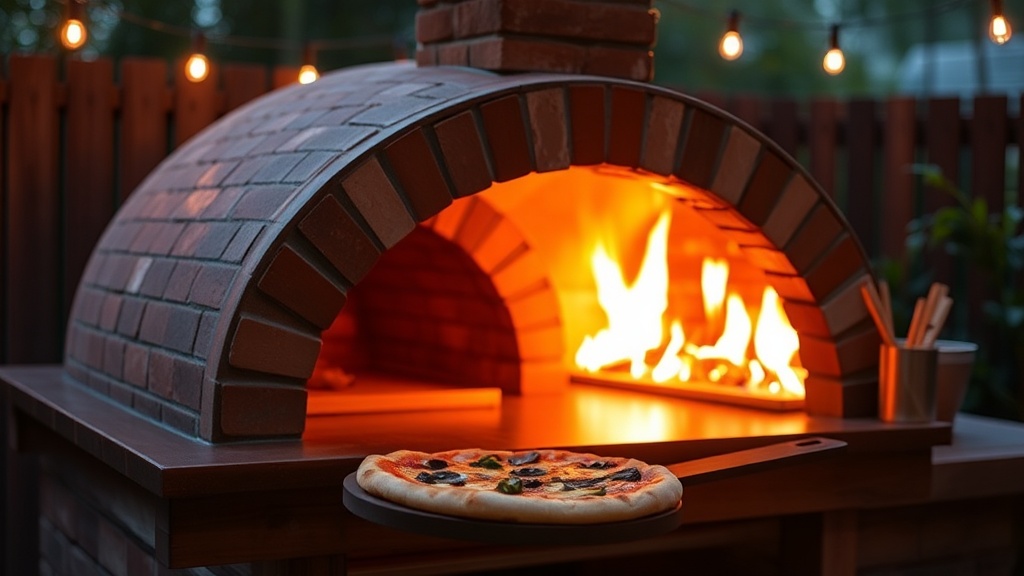
Why You Should Add a Pizza Oven to Your Backyard

Most homeowners believe that a pizza oven is an expensive, high-maintenance luxury reserved only for professional outdoor kitchens or ultra-wealthy estates. This is a misconception. A pizza oven is actually a highly functional, versatile cooking tool that can be integrated into almost any backyard setup, whether you are working with a small concrete patio or a large custom-built stone island. This guide explains the practical benefits of adding a pizza oven to your outdoor space, the different types of ovens available, and the technical requirements you need to consider for installation.
The Versatility of High-Heat Cooking
While the name implies a single purpose, a pizza oven is a multi-functional heat source. Most wood-fired or gas-fired pizza ovens can reach temperatures between 700°F and 900°F. This extreme heat does more than just cook dough; it allows for techniques that a standard backyard charcoal grill simply cannot replicate. You can roast whole chickens, sear thick steaks, or even bake artisanal breads and roasted vegetables with much higher efficiency than a conventional oven.
For example, if you use a traditional Pompeii-style oven, the thermal mass of the stone retains heat exceptionally well. This means you can use the residual heat to slow-roast a brisket or a tray of root vegetables after the initial high-heat cooking is done. This versatility turns your backyard into a functional kitchen rather than just a place to grill burgers. If you are already planning to upgrade your outdoor space, consider how a pizza oven complements other features, such as adding outdoor string lights to your patio to create a proper dining atmosphere for these long cook sessions.
Choosing the Right Type of Oven
Before you buy any materials or clear a space, you must decide which technology fits your lifestyle and your technical skill level. There are three primary categories of outdoor pizza ovens: wood-fired, gas-fired, and electric.
Wood-Fired Ovens
Wood-fired ovens are the gold standard for flavor. The smoke from hardwoods like oak, hickory, or fruitwoods adds a distinct profile to your food. These are often heavy, permanent structures made of refractory brick or stone. They require a dedicated hearth and a chimney system. If you are building a permanent installation, you will need to ensure your patio or deck can handle the concentrated weight of a stone oven, which can easily exceed 500 pounds.
Gas-Powered Ovens
Gas ovens (either propane or natural gas) offer the most convenience. You can turn a dial, light the burner, and have a consistent temperature in about 15 to 20 minutes. This is ideal for homeowners who want the pizza experience without the labor of managing a wood fire and cleaning up ash. Many modern gas models, such as those from brands like Ooni or Gozney, are portable and can sit on a standard outdoor table, making them a lower-cost entry point for beginners.
Electric Pizza Ovens
Electric ovens are the easiest to manage and are perfect for smaller patios or even balconies. While they don't offer the same "fire and smoke" aesthetic as wood-fired versions, high-end electric models can still reach the necessary 800°F+ temperatures for a crispy crust. These are excellent if you have limited space and don't want to deal with the logistics of storing firewood or connecting a gas line.
Technical Requirements and Installation
Installing a pizza oven is not as simple as setting it on a table. There are structural and safety considerations that can lead to expensive mistakes if ignored during the planning phase.
Weight and Foundation
If you are opting for a permanent, built-in stone oven, you cannot simply place it on a standard wooden deck without reinforcement. A masonry oven is a heavy, static load. You should ideally build a concrete pad or a reinforced masonry base. If you are placing it on a deck, I recommend consulting a structural engineer to ensure your joists can support the concentrated weight. For portable models, a level, non-combustible surface like a concrete patio or a heavy-duty metal prep table is mandatory.
Heat Clearance and Safety
Fire safety is the most critical aspect of your installation. You must maintain a specific "clearance to combustibles." If your oven is near a vinyl siding wall, a wooden fence, or overhanging tree branches, you risk a fire. Always check the manufacturer's manual for the minimum distance requirements. If you are building a custom surround, use non-combustible materials like stone, brick, or concrete. Avoid using pressure-treated wood as the immediate base for the oven, as the intense heat can cause the wood to off-gas or even ignite.
Fuel Storage and Access
If you choose a wood-fired model, you need a plan for fuel. Wood needs to be kept dry to burn efficiently and produce less smoke. I recommend a dedicated wood shed or a weather-proof metal bin located near your cooking station. If you are using gas, ensure your propane tank is stored in a well-ventilated area and that your gas line (if using natural gas) is installed by a licensed professional to meet local building codes.
Integrating the Oven into Your Garden Design
A pizza oven should feel like a natural part of your outdoor living space, not an afterthought. To make the transition from cooking to dining seamless, consider the layout of your backyard. A functional outdoor kitchen requires a "work triangle" similar to an indoor kitchen: a prep area, a cooking area (the oven), and a cleaning/sink area.
One way to enhance the experience is to pair your cooking station with fresh ingredients. If you have a garden, you can easily integrate your oven with your culinary needs. For instance, if you add a vertical herb garden to your kitchen garden, you will have easy access to fresh basil, oregano, and rosemary right at your fingertips while you are prepping pizzas. This creates a "farm-to-table" experience that elevates the entire backyard setting.
Maintenance and Longevity
To get the most out of your investment, you must maintain the equipment properly. For wood-fired ovens, this means occasionally cleaning out the ash and checking the refractory bricks for any cracks. If you notice a crack in the dome, it can affect heat retention and may require a small patch job with high-temperature mortar.
For gas and electric models, keep the exterior clean and ensure the burners are free of debris or food spills. If you live in a climate with harsh winters, consider whether your oven is truly weather-proof. While many are rated for outdoor use, a high-quality, heavy-duty cover is essential to protect the electronics and metal components from rust and moisture during the off-season. If you have a permanent stone structure, you may want to apply a breathable, high-temperature sealant to protect the masonry from freeze-thaw cycles in the winter.
Summary Checklist for Buyers
Before you pull the trigger on a purchase, run through this practical checklist to ensure you are making a sound decision for your specific backyard layout:
- Determine your primary fuel source: Do you want the flavor of wood, the ease of gas, or the simplicity of electric?
- Measure your footprint: Will this be a portable unit on a table or a permanent built-in structure?
- Check your foundation: Can your patio or deck support the weight? (Especially important for masonry ovens).
- Verify safety clearances: How far is the oven from your house, fence, or any flammable structures?
- Plan your workspace: Do you have enough room for a prep station and a place to serve the food?
- Assess your storage: Do you have a dry place for firewood or a safe place for propane tanks?
Adding a pizza oven is a significant upgrade to any outdoor living area. It moves your backyard from a place where you just "eat outside" to a place where you actually "cook outside." By focusing on the technical requirements of heat, weight, and fuel, you can ensure that your new oven becomes a durable, functional centerpiece of your home for years to come.