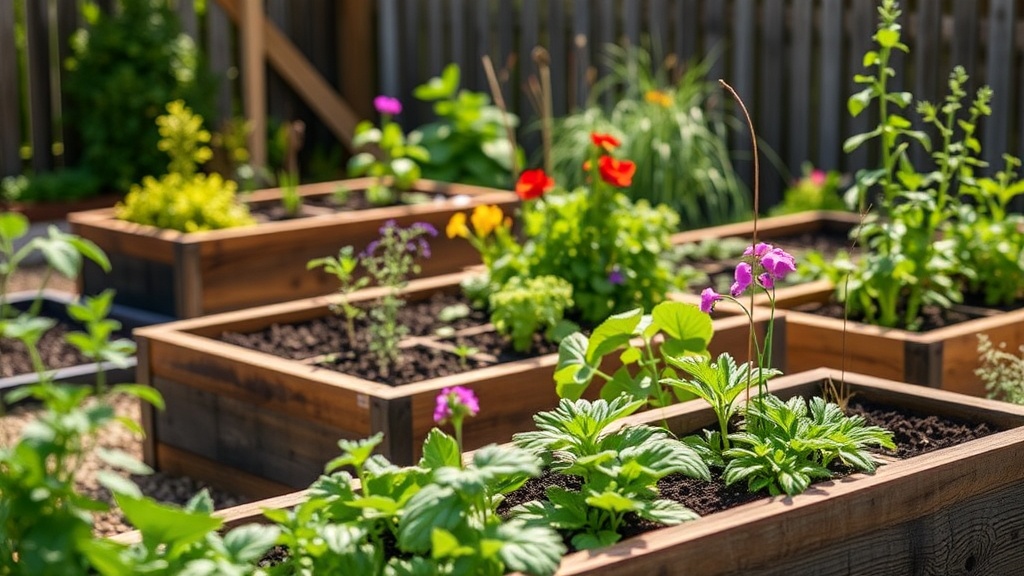
Why You Should Add a Raised Bed Garden to Your Yard

Imagine standing in your backyard, looking at a patch of ground that is either way too rocky, incredibly clay-heavy, or sits in a low spot that turns into a muddy puddle every time it rains. You want to grow tomatoes or peppers, but the actual soil in your yard is subpar. A raised bed garden solves this problem by allowing you to bypass your existing ground conditions entirely. This guide explains why raised beds are a superior choice for many homeowners, the specific structural advantages they offer, and how to choose the right materials for a long-lasting installation.
The Practical Advantages of Raised Bed Gardening
Most people assume that gardening is just about putting a seed in the ground and waiting. However, if you are working with standard residential yard soil, you are often fighting an uphill battle against compaction, poor drainage, and nutrient deficiency. Raised beds move the growing environment into a controlled, engineered space.
Superior Soil Control and Nutrition
When you plant directly in the ground, you are stuck with whatever soil chemistry your local area provides. If you live in an area with high alkalinity or heavy limestone, your plants will struggle. With a raised bed, you create a "closed system." You can mix in high-quality organic compost, peat moss, or coconut coir to create the exact texture and pH level your vegetables need. For example, if you want to grow heavy feeders like zucchini, you can pack your raised bed with a high-nitrogen compost mix that wouldn't be practical to spread across your entire lawn.
Improved Drainage and Aeration
Waterlogged roots are a primary cause of plant death in home gardens. In a flat garden bed, water can sit in the soil for days, suffocating the root systems. Because a raised bed sits above the natural grade of your yard, gravity works in your favor. Water drains through the engineered soil and exits the sides of the bed more efficiently. This is especially important if your yard has a high water table or if you are using heavy clay soil that tends to hold onto moisture too long.
Ergonomics and Accessibility
One of the biggest deterrents to gardening is the physical toll it takes on your back and knees. Traditional gardening requires constant bending and kneeling on the ground. By building a raised bed that is 12 to 24 inches high, you bring the plants closer to you. This makes weeding, harvesting, and pruning much easier on the joints. If you have mobility issues or simply want to avoid the strain of low-level labor, a raised bed is a functional upgrade to your outdoor living space.
Choosing the Right Materials for Longevity
As someone who builds outdoor structures for a living, I see people make the mistake of using cheap materials that rot or warp within two seasons. If you are going to invest the time and money into a raised bed, you need to use materials that can withstand constant moisture and soil pressure.
Cedar and Redwood
If you want a natural look that lasts, western red cedar is the gold standard. Cedar contains natural oils that make it resistant to rot and insect damage without the need for chemical treatments. While it is more expensive upfront than pine, a cedar bed can easily last 10 to 15 years. Redwood is another excellent option, though it can be harder to source depending on your location.
Corrugated Metal
For a more modern, industrial aesthetic, galvanized corrugated metal beds are a popular choice. These are incredibly durable and won't rot like wood. When installing metal beds, ensure you use a liner or a thick layer of landscape fabric at the bottom to prevent the metal from reacting with the soil, and always use a wood or composite cap on the top edges to prevent scratches and provide a finished look.
Composite and Hardscapes
If you want a permanent installation that matches a high-end patio or deck, consider using composite decking material or stone masonry. Using stone or concrete blocks creates a very heavy, stable structure that won't move over time. This is a great option if you want to integrate your garden directly into a larger hardscape design, such as a stone patio or a built-in seating area.
Design Considerations for Your Backyard
Before you start digging or sawing, you need to plan the layout. A raised bed isn't just a box; it is a structural element of your yard. You should consider how it interacts with your existing outdoor spaces.
Width and Reach
The most common mistake is building a bed that is too wide. You should never build a raised bed wider than four feet if you can access it from both sides. If you can only access it from one side, keep it to two or three feet. The goal is to be able to reach the center of the bed without ever stepping inside it. Stepping into the bed compacts the soil, which defeats the purpose of having the aerated, loose soil you worked so hard to create.
Placement and Sunlight
Most vegetables require at least six to eight hours of direct sunlight. When choosing a spot, look at how the shadows fall in your yard throughout the day. Do not place your raised beds in the shadow of your house or a large fence. If you are placing them near a structure, ensure there is enough clearance for maintenance. For those with smaller yards, you might find that thriving container gardens are a good way to supplement your raised beds if space is at a premium.
Integration with Outdoor Living
A raised bed can serve as more than just a place to grow food; it can be a design element. You can use them to create "rooms" in your backyard or as a border for a seating area. If you have a dining area or a patio, placing a raised herb garden nearby makes it easy to grab fresh basil or rosemary while cooking. If you plan on using your garden for evening entertaining, you might even consider adding outdoor string lights to your patio to illuminate the garden area and create a cohesive look between your dining space and your growing space.
Step-by-Step Installation Guide
Once you have your materials and a plan, follow these steps to ensure your bed is built on a solid foundation.
- Level the Ground: This is the most important step. If your bed is not level, water will pool on one side and your soil will eventually shift. Use a shovel to scrape away high spots and a level to verify the perimeter.
- Install a Barrier: If you are building on grass, use a layer of heavy-duty cardboard or several layers of newspaper at the bottom of the bed. This will kill the grass and weeds underneath while eventually decomposing. For better pest control, you can also add a layer of hardware cloth (metal mesh) at the bottom to keep burrowing animals like moles or voles out of your soil.
- Assemble the Frame: Use exterior-grade screws (like Deckmate screws) to prevent the wood from pulling apart as it expands and contracts with the weather. If you are using wood, ensure it is rated for ground contact.
- Fill with High-Quality Mix: Do not just fill the bed with dirt from your yard. Use a "raised bed mix," which is typically a blend of topsoil, compost, and perlite or vermiculite. This ensures the perfect balance of nutrients and drainage.
- Mulch the Surface: Once your plants are in, add a two-inch layer of straw or wood chips to the top of the soil. This helps retain moisture and prevents the soil from drying out too quickly in the sun.
Maintenance and Long-Term Care
While raised beds require less work than traditional in-ground gardens, they are not "set it and forget it" systems. Because they are elevated, they can dry out faster than the ground. You will need to monitor moisture levels more frequently, especially during the heat of July and August. I recommend installing a simple drip irrigation system or a soaker hose to ensure consistent watering without wasting water through evaporation.
Every season, you should add a fresh two-inch layer of compost to the top of your beds. This replenishes the nutrients that your vegetables have pulled from the soil. Because the soil in a raised bed is a contained environment, it is also easier to manage pests. Instead of treating an entire yard for aphids or beetles, you can focus your organic treatments specifically within the confines of the bed.