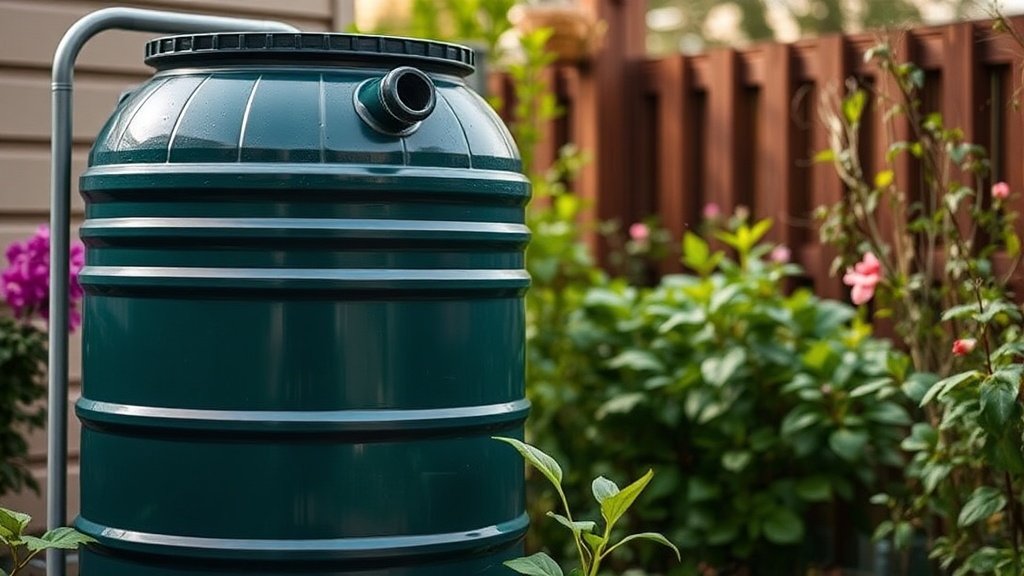
Why You Should Install a Rain Barrel in Your Garden

A heavy downpour hits a metal gutter, the sound echoing through the yard as water cascades down a downspout in a steady, uncontrolled stream. Without a collection system, that water hits the ground with enough force to erode your mulch, wash away topsoil, and create muddy puddles near your foundation. Installing a rain barrel changes that dynamic by capturing that runoff and turning it into a free, high-quality resource for your garden. This guide covers the practical benefits of rainwater harvesting, the technical setup required for a functional system, and how to maintain your barrel to ensure your plants thrive.
The Practical Benefits of Rainwater Harvesting
Most homeowners view rain as a nuisance or a threat to their landscaping. In reality, rainwater is one of the best things you can give your garden. When you install a rain barrel, you aren't just catching water; you are managing your property's ecosystem more effectively.
Nutrient-Rich Water for Your Plants
Tap water is treated with chemicals like chlorine and fluoride to make it safe for human consumption. While these are fine for a glass of water, they aren't ideal for sensitive vegetation. Rainwater is naturally soft and contains trace amounts of nitrogen, which acts as a gentle, natural fertilizer. When you use a rain barrel, you are providing your vegetables, flowers, and shrubs with water that is chemically compatible with their needs. This can lead to more robust growth and better yields in your home garden.
Reducing Erosion and Foundation Stress
As a contractor, I see a lot of foundation issues caused by poor water management. When downspouts dump water directly at the base of a house, it creates a saturated zone that can lead to basement leaks or foundation settling. A rain barrel acts as a buffer. It intercepts the high-velocity runoff from your roof and slows it down. By diverting this water into a storage container, you reduce the amount of water hitting your soil and prevent the "washout" effect that ruins garden beds during heavy storms.
Lowering Your Water Bills
If you have a large garden or a sprawling lawn, your municipal water bill can spike significantly during the summer months. Using a rain barrel allows you to supplement your irrigation needs with free water. Even a single 50-gallon barrel can provide a significant amount of hydration for your potted plants or raised beds during a dry spell. It is a simple way to make your outdoor maintenance more cost-effective.
Choosing the Right Rain Barrel System
Before you start drilling holes or buying hardware, you need to decide what kind of system fits your specific yard layout. Not all barrels are created equal, and the one you choose will depend on your water needs and the amount of space you have available.
Single Barrel vs. Modular Systems
A single 50-gallon barrel is great for small patios or a few containers, but it can fill up in minutes during a heavy storm. If you have a large roof surface area, you might consider a modular system. These are multiple barrels connected by hoses or PVC piping that allow you to distribute the water volume across a larger area. This prevents one single point of overflow and gives you much more storage capacity.
The Importance of a Diverter
There are two main ways to connect a barrel to a downspout: a direct fit or a downspout diverter. A direct fit involves cutting the downspout and placing the barrel directly under it. This is simple but can be problematic if the barrel overflows, as the water will dump directly into the barrel's intake. A downspout diverter is a much better option. It allows the water to flow through the downspout normally during heavy rain, only diverting a portion of it into the barrel. If the barrel gets full, the excess water continues down the original drainage path, preventing localized flooding around your barrel.
Material and Durability
Look for barrels made from high-density polyethylene (HDPE). This material is UV-resistant, meaning it won't become brittle or crack after a few seasons of direct sunlight. If you are planning to use the water for edible crops, ensure the barrel is food-grade and BPA-free. Some people even use reclaimed food-grade drums, which is a great way to upcycle, but you must verify the previous contents to ensure no toxic residues remain.
Installation Steps for a Functional Setup
To get the most out of your rain barrel, you can't just set it on the grass and hope for the best. You need a stable, elevated base to ensure proper water pressure and long-term durability.
- Build a Stable Base: Gravity is your friend, but it requires a level surface. I recommend using concrete pavers or a pre-made deck block system. The base must be perfectly level. If the barrel tilts, the water pressure will be uneven, and the barrel could tip over when full. A full 50-gallon barrel weighs over 400 pounds; do not skimp on the foundation.
- Elevate the Barrel: To get any decent water pressure out of a spigot, you need height. Use cinder blocks or heavy-duty wooden steps to lift the barrel at least 12 to 18 inches off the ground. This elevation allows you to fit a watering can under the spigot and provides enough head pressure to use a garden hose.
- Install the Diverter: Most modern kits come with a downspout diverter. You will likely need a drill and a hacksaw to cut a section out of your existing downspout. Once the section is removed, insert the diverter according to the manufacturer's instructions.
- Add a Screen and Overflow: If you aren't using a professional diverter kit, you must include a fine mesh screen over the top of the barrel. This keeps out mosquitoes, leaves, and debris. You also need an overflow valve—a tube that directs excess water away from your house once the barrel reaches capacity.
Maintenance and Troubleshooting
A rain barrel is not a "set it and forget it" tool. To keep it working efficiently and to prevent it from becoming a breeding ground for pests, you need to perform regular maintenance.
Preventing Mosquitoes and Debris
The biggest headache with rain barrels is mosquitoes. If your screen has even a tiny tear, they will find it. Check your mesh screen at the start of every spring. If you see stagnant water or larvae, you may need to treat the water with a small amount of organic mosquito bits (BTI), which is safe for gardens. Additionally, clear out any leaves or silt that accumulate at the bottom of the barrel once a year to prevent the outlet from clogging.
Winterizing Your System
If you live in a climate where the temperature drops below freezing, you must winterize your barrel. Water expands when it freezes, and an ice-filled barrel can easily crack or even burst the plastic. At the end of the season, drain the barrel completely. Disconnect it from the downspout, empty the spigot, and store it in a garage or shed. If you leave it outside, ensure it is completely empty and the lid is secured tightly to prevent snow and ice from entering.
Monitoring Water Quality
While rainwater is generally safe, it can pick up pollutants from your roof. If you have a new asphalt shingle roof, the first few years of runoff might contain higher levels of granules. If you have a metal roof, the water is extremely clean, but be aware of any treatments used on the metal. If you notice any unusual odors or discoloration, it’s time to clean the interior of the barrel with a mixture of water and white vinegar.
By integrating a rain barrel into your landscaping, you are taking a proactive step toward a more sustainable and efficient garden. It is a low-cost project that pays dividends in both plant health and water conservation. Whether you are a seasoned gardener or just starting out with your first backyard project, capturing the rain is one of the smartest moves you can make for your outdoor space.