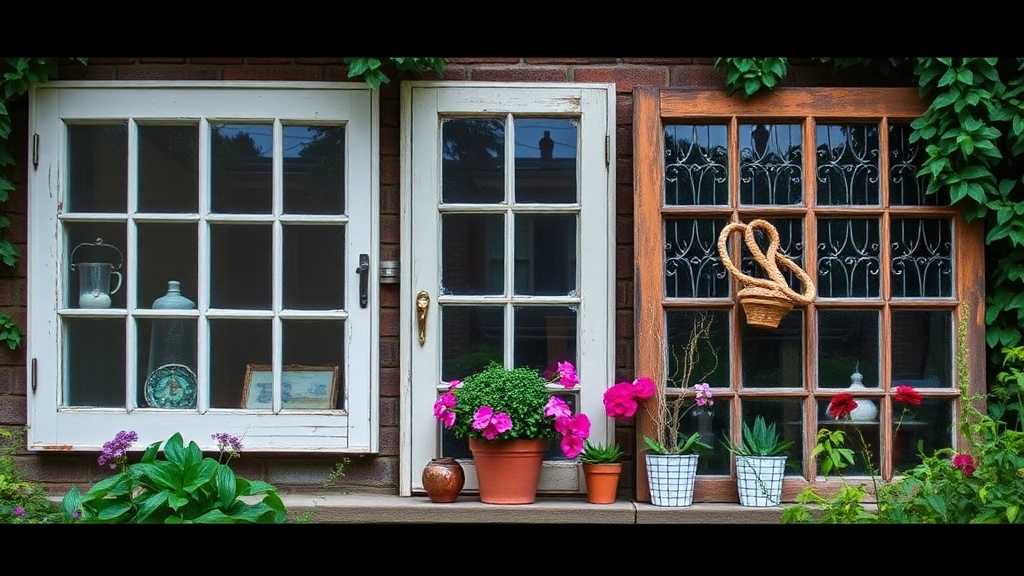
7 Ways to Use Old Windows as Garden Decor

The Vertical Herb Planter
A Rustic Window Mirror
The Multi-Pane Succulent Display
An Enchanting Garden Trellis
A Decorative Window Backdrop
The Outdoor Chalkboard Sign
A Floating Window Shelf
You’re walking through a local salvage yard or browsing a neighborhood curb alert, and you see them: a stack of old, weathered wooden window frames. Most people see junk, but if you have a drill, some sandpaper, and a bit of creativity, those windows are actually high-quality architectural elements waiting to be repurposed. Using old windows in your garden adds vertical interest, texture, and a sense of history to your outdoor space without the high price tag of new garden structures. This guide covers seven practical ways to turn those discarded frames into functional and decorative garden features.
1. Create a Vertical Succulent Wall
Old windows are perfect for vertical gardening, especially if you have a small patio or a blank wooden fence that needs some life. Because windows have built-in compartments (the window panes), they provide a natural structure for small plants. This is a great way to showcase hardier plants that don't require deep soil.
To build a succulent wall, you first need to ensure the window frame is structurally sound. If the wood is rotting, treat it with a heavy-duty exterior wood sealer like Thompson’s WaterSeal. Remove the glass panes entirely to avoid breakage and weight issues. Instead, use galvanized metal flashing or heavy-duty plastic sheeting to create a "pocket" behind each pane. Secure the liner with a staple gun along the inner edges of the frame. Fill the pockets with a well-draining cactus and succulent mix. Since succulents are sensitive to moisture, make sure you don't overdo the water; you can read more about how to stop overwatering your succulents to ensure your new vertical garden thrives.
Plant a variety of Echeveria, Sedum, and Sempervivum (Hen and Chicks) in the different sections. The different heights and colors of the succulents will create a living mosaic. Once planted, lean the window against a sturdy wall or mount it directly to a fence using heavy-duty L-brackets.
2. Build a Tiered Herb Garden Display
Kitchen gardens are much more efficient when you utilize vertical space. An old multi-pane window can act as a beautiful, rustic rack for your culinary herbs. This is particularly useful for gardeners who want to keep their herbs near the back door or the outdoor kitchen area.
To do this, you will need to create "shelves" within the window frame. You can use scrap cedar boards or even old wooden crates. Screw these boards horizontally across the interior of the window frame at varying heights. Ensure the screws are stainless steel or galvanized so they don't rust and leave streaks on the wood. Once the shelves are installed, place small terracotta or ceramic pots on each level.
I recommend planting herbs like basil, thyme, rosemary, and mint. Because herbs often have different sunlight and water requirements, the segmented nature of the window allows you to group them effectively. For example, place the sun-loving rosemary in the top pane and the more moisture-dependent mint in a lower pane. If you are placing this near a seating area, consider adding small LED tea lights between the pots for a bit of evening ambiance.
3. Use Windows as Decorative Garden Trellises
If you have climbing plants like Clematis, Jasmine, or even certain types of sweet peas, an old window frame makes a much more interesting trellis than a standard green plastic or metal wire version. The architectural lines of the window provide a sturdy framework for the vines to wrap around.
When using a window as a trellis, you have two options: leaning it or mounting it. For a cottage garden look, lean a large, heavy window against a brick wall or a sturdy wooden post. For a more permanent installation, mount it to a fence or a garden wall using masonry screws if you're working with brick.
To give the vines something to grab onto, you may need to add a bit of extra support. I suggest drilling small eyelets into the wooden frame and running a thin galvanized wire or heavy-duty twine through them. This creates a "web" that helps the climbing plants find their way up the frame. As the plants grow, they will eventually cover the wood, leaving only hints of the window structure visible, which creates a beautiful, weathered aesthetic.
4. Create a Decorative Garden Mirror
One of the best tricks in a contractor's toolkit for making a small space feel larger is the use of mirrors. In a garden, a window frame can be transformed into a "garden mirror" to add depth to a corner or to reflect light into a shaded area. This is especially effective if your garden has a "low-light" section that feels a bit dark or cramped.
To make this, you will need to find a piece of weather-resistant mirror or acrylic glass. Since real glass can be heavy and fragile, many DIYers prefer using a high-quality acrylic mirror sheet. Measure the interior dimensions of the window panes carefully. You can either use one large sheet of acrylic if it's a single-pane window, or several smaller pieces if it's a multi-pane window. Secure the acrylic to the back of the frame using construction adhesive like Liquid Nails or by creating a wooden lip to hold it in place.
Once the mirror is installed, hang the window on a fence or a garden wall. Position it so it reflects a beautiful part of your garden—like a flowering bush or a stone path—rather than a cluttered tool shed. This trick can even help brighten up a space that lacks direct sunlight.
5. Build a Rustic Outdoor Chalkboard
If you have an outdoor dining area or a patio with a kitchen setup, an old window frame can serve as a functional and stylish chalkboard. This is great for writing daily menus, welcoming guests, or even just adding a decorative touch to your outdoor entertaining space.
First, ensure the window frame is completely stripped of any old, peeling paint. Sand it down to the bare wood and apply a coat of outdoor-grade chalkboard paint. You can find this at most hardware stores like Home Depot or Lowe's. Once the paint is dry, you have a few options for the "glass" area. You can use a sheet of tempered glass, but for a more rustic look, many people use a piece of dark-painted plywood or even a sheet of chalkboard acrylic.
If you use a glass sheet, you can actually write on the glass itself with liquid chalk markers. This looks incredibly sharp and professional. Hang the window near your grill or outdoor bar using decorative wrought iron hooks. It’s a small detail that makes a big impact on the overall "vibe" of your backyard gathering spot.
6. Transform Windows into Window Box Planters
Standard window boxes are functional, but using an actual window frame as the base for a planter adds a layer of architectural interest. This works best with larger, heavier window frames that can support the weight of wet soil and plants.
To build this, you'll need to attach wooden planter boxes (or even recycled wooden crates) to the bottom or the sides of the window frame. Use heavy-duty screws and ensure the frame is anchored to a wall or a sturdy post, as the weight of the soil will make the unit top-heavy. I recommend using cedar for the planter boxes, as it naturally resists rot and handles moisture much better than pine.
Fill the boxes with trailing plants like Lobelia, Petunias, or Bacopa. As these plants grow, they will drape over the edges of the boxes and partially cover the window frame, creating a lush, overflowing look. This is a fantastic way to add color to a tall fence or a plain exterior wall of your house.
7. Use Windows as Decorative Backdrops for Lighting
Lighting is the most important element in transitioning a garden from day to night. An old window frame can serve as a stunning backdrop for string lights or even as a frame for a custom light fixture. This is a great way to create a focal point in your backyard during evening hours.
If you have a large, multi-pane window, you can weave string lights through the panes. I recommend using LED Edison-style bulbs or "fairy lights" for a more delicate look. If you want something more substantial, you can mount a small wooden shelf inside the window frame and place a few lanterns or solar-powered lamps on it.
For a more permanent solution, you can wire a set of outdoor-rated lights directly into the frame. This works well if you have an outdoor power outlet nearby. By framing your lights with the window, you create a structured "glow" that draws the eye. This is a perfect way to complement a low-light evening sanctuary, adding both structure and warmth to your outdoor living area.
A Note on Safety and Durability
Before you start any of these projects, there are two things you must check: the type of paint and the integrity of the glass. If the windows are very old (pre-1978), there is a high probability that the paint contains lead. I strongly recommend using a lead test kit from a local hardware store before you start sanding. If lead is present, do not sand the wood; instead, use a chemical stripper or simply use the frame as-is without any further sanding.
Additionally, if you decide to keep the glass in the windows, be extremely careful. Old glass is often thinner and more brittle than modern tempered glass. If you are using the windows in a high-traffic area or near a walkway, it is much safer to remove the glass and replace it with acrylic or simply leave the panes empty to be filled with plants or lights. This prevents any accidents from broken shards during a storm or from gardening tools hitting the frame.
Essential Tools for Window Repurposing
To get these projects done right, you'll want to have a few basic tools on hand. If you're heading to the workshop, make sure you have:
- A Power Drill: For mounting frames and attaching planter boxes.
- Sandpaper: Various grits (80, 120, and 220) for smoothing out old wood.
- Exterior Wood Sealer: To protect your new decor from the elements.
- Galvanized or Stainless Steel Fasteners: To prevent rust streaks.
- Heavy-Duty Staple Gun: For securing liners in succulent walls.
- Construction Adhesive: For securing mirrors or acrylic sheets.
Repurposing old windows is more than just a way to save money; it's a way to add character to your home that you simply can't buy in a big-box store. Whether you're building a vertical herb garden or a decorative light backdrop, these projects turn "trash" into a centerpiece for your backyard.