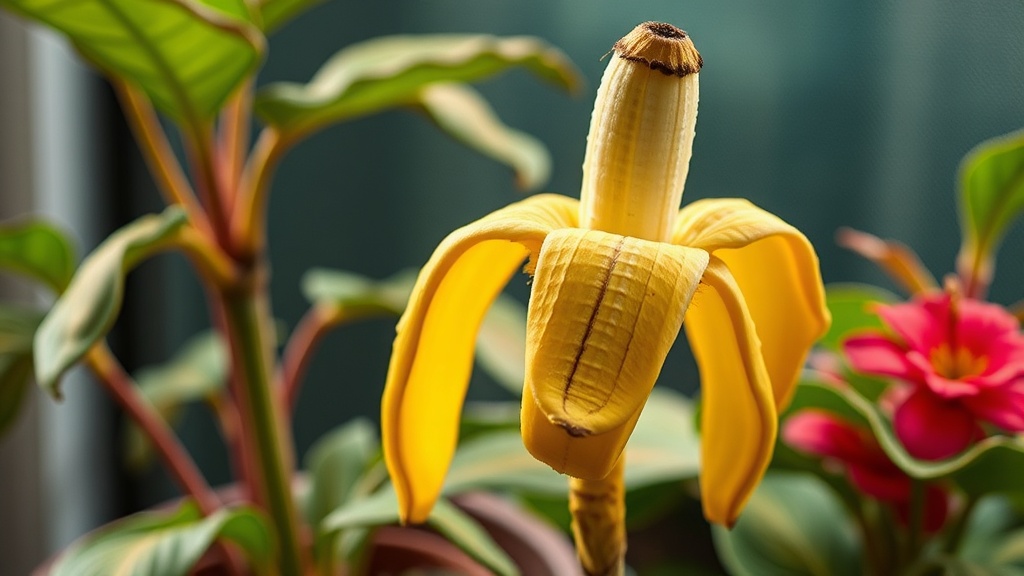
Banana Peel Magic: Feed Your Flowering Plants for Free

Quick Tip
Bury small pieces of banana peel directly in the soil near your plants to release potassium slowly.
The Hidden Nutrient Powerhouse in Your Kitchen Bin
Most people view a banana peel as nothing more than organic waste, but it is actually a concentrated source of potassium, a vital macronutrient that regulates plant water movement and strengthens cell walls. While many high-end garden centers sell expensive potassium-rich fertilizers, you can achieve similar results using a byproduct from your breakfast.
Why Potassium Matters for Your Garden
Potassium acts as a catalyst for several biological processes. For flowering plants like Hibiscus, Roses, or even your backyard Tomato plants, potassium is the key to producing larger blooms and more resilient fruit. It helps the plant manage stress from heat and drought, ensuring the vascular system stays efficient during the peak of summer.
Three Ways to Use Banana Peels Effectively
Don't just toss a whole peel on top of the soil; that can attract pests or take too long to break down. Use these specific techniques instead:
- The Chop and Bury Method: Slice your banana peels into small, half-inch pieces. Dig a small hole about 2-3 inches deep near the base of your flowering plants—but not directly touching the main stem—and bury the pieces. This prevents fruit flies from being attracted to the scent and speeds up decomposition.
- The Banana Peel Water Soak: Fill a glass jar halfway with chopped peels and top it off with water. Let it sit for 48 hours. Strain the liquid and use this "tea" to water your container plants. This provides a quick-release nutrient boost that reaches the roots immediately.
- The Dried Powder Technique: If you want a long-term solution, dry your peels in a low-heat oven or a dehydrator until they are brittle. Grind them in a blender to create a fine powder. You can sprinkle this powder onto the soil surface of your potted geraniums or petunias for a slow-release nutrient boost.
If you are already experimenting with organic additives, you might also find success by combining this with coffee grounds in the garden to balance your soil's nitrogen and acidity levels.
Pro-Tip: Always ensure your peels are organic and free from heavy synthetic pesticides to ensure you aren't introducing unwanted chemicals into your garden ecosystem.
Using these methods turns a common kitchen scrap into a functional tool for a more vibrant, blooming backyard. It’s an efficient, zero-cost way to improve your plant health without relying on synthetic chemical sprays.