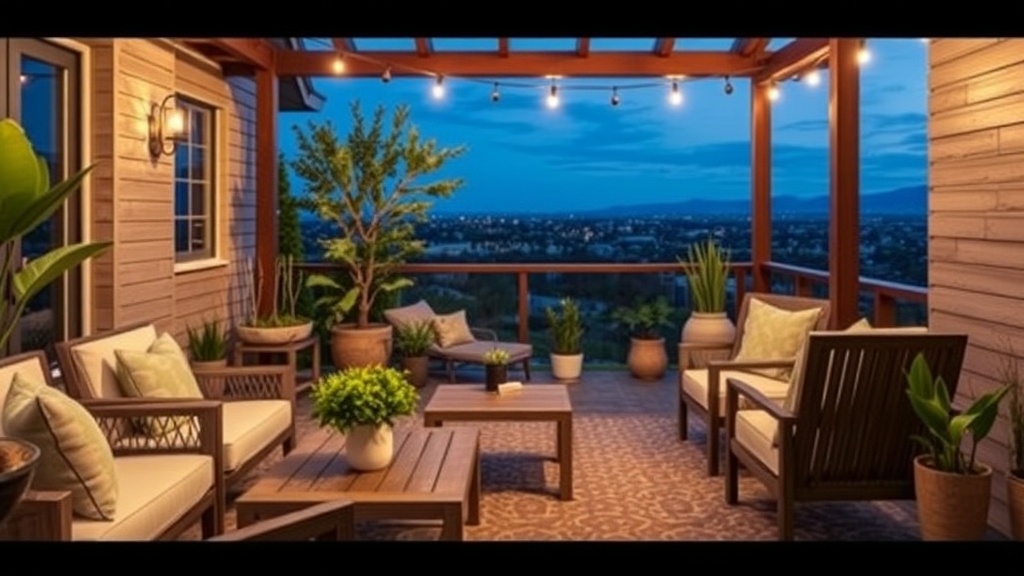
Choosing the Right Outdoor Furniture for Your Space

Research shows that the average homeowner spends roughly 15% of their total home improvement budget on outdoor living enhancements, yet many people fail to see a return on that investment because they choose furniture based on looks rather than durability or scale. This guide provides a practical framework for selecting outdoor furniture that survives the elements, fits your specific patio or deck dimensions, and serves the actual way you use your outdoor space. Whether you are furnishing a small concrete balcony or a large custom-built cedar deck, the following technical considerations will help you avoid common mistakes.
Measure Your Footprint and Traffic Flow
Before you browse a single catalog, you need a tape measure in your hand. The most common mistake I see is people buying a dining set that looks great in a showroom but leaves zero room to walk around it on a standard 12x12 patio. You must account for "clearance zones." A dining chair requires at least 24 inches of space behind it to be pulled out comfortably, and you need an additional 18 to 24 inches of walking space behind that chair for a person to pass by.
If you are placing furniture on a deck, pay attention to the structural layout. If your deck has a built-in fire pit or a permanent grill station, your furniture needs to be positioned to allow for safe movement. You don't want a guest tripping over a coffee table while trying to move away from a heat source. Use painter's tape on your patio or deck surface to mark out the dimensions of the furniture you are considering. This "tape outline" method allows you to physically walk around the proposed items to see if the flow feels cramped or intuitive.
The Importance of Scale and Proportion
Scale is not just about size; it is about how the piece relates to the architecture of your home. A massive, heavy wrought iron sectional will look out of place on a small, lightweight wooden balcony. Conversely, spindly aluminum bistro sets can look dwar꼽ed by a large stone masonry fireplace. When selecting pieces, look at the height of your railings and the height of your outdoor ceiling or pergola. If you have a low-profile pergola, choose low-profile seating to avoid a claustrophobic feeling.
Material Science: Durability vs. Aesthetics
Outdoor furniture faces a brutal combination of UV rays, moisture, and temperature fluctuations. Choosing the wrong material can lead to rust, rot, or cracking within a single season. You need to match the material to your specific microclimate.
- Teak Wood: This is the gold standard for wooden furniture. Teak contains high levels of natural oils that make it exceptionally resistant to water and pests. While it starts as a golden brown, it will naturally weather to a silvery gray if left untreated. If you want to keep the color, you will need to apply a teak sealer once a year.
- Powder-Coated Aluminum: This is an excellent choice for those who want low maintenance. The powder coating creates a hard, protective layer that prevents oxidation. It is lightweight and easy to move, making it ideal for patios that experience high winds.
- Synthetic Wicker (Resin Wicker): Do not confuse this with natural rattan, which will disintegrate in the rain. High-quality HDPE (High-Density Polyethylene) resin wicker is UV-stabilized and can withstand heavy rain and sun without becoming brittle or peeling.
- Polywood and HDPE: Made from recycled plastics, these materials are virtually indestructible. They do not rot, splinter, or require staining. They are heavy enough that they won't blow away in a storm, making them a solid choice for coastal areas.
- Wrought Iron: While beautiful and heavy, iron is prone to rust if the paint or coating is chipped. If you choose iron, ensure it is treated with a high-quality weather-resistant finish and inspect it annually for signs of corrosion.
Cushion Fabric and Internal Foam
The furniture frame is only half the battle; the upholstery determines how long the piece remains comfortable. Look specifically for fabrics that are solution-dyed acrylic, such as Sunbrella. Unlike standard polyester, solution-dyed fabrics have the color embedded in the fiber itself, meaning the color won't fade even under intense sun exposure. Ensure the cushions also use "quick-dry" foam. This foam has an open-cell structure that allows water to pass through rather than soaking into the center, preventing mold and mildew growth.
Functionality and Zoning Your Outdoor Space
Think of your outdoor area as an extension of your indoor living room. To make it functional, you should create "zones" based on how you actually spend your time. A single large furniture set often fails to address the different ways people use a backyard.
The Dining Zone: This requires a sturdy table and chairs that are easy to clean. If you frequently host BBQs, look for surfaces that can handle spills. A heavy wood table or a stone-topped table works well here. Make sure the chairs are easy to wipe down after a meal.
The Lounging Zone: This is where you place your sofas, sectionals, or deep-seated armchairs. This area should be centered around a focal point, such as a fire pit or a view of the garden. If you have a stone patio, consider adding an outdoor rug to define this space and add a sense of "indoor" comfort. Proper outdoor lighting can transform this zone from a daytime seating area into a sophisticated evening lounge.
The Transition Zone: This is the space between your indoor kitchen and your outdoor dining area. Keep this area clear of large furniture to allow for easy movement when carrying trays or plates. Small side tables or a slim console table can provide a place to set a drink without blocking the path.
Maintenance and Lonagement Strategies
Even the best furniture requires a maintenance schedule to ensure it lasts more than three years. A little bit of preventative care goes a long way in protecting your investment.
- Seasonal Storage: If you have a large deck or patio, invest in high-quality, heavy-duty waterproof covers. Even if your furniture is "weather-resistant," keeping it covered during the winter or during heavy storm seasons reduces the buildup of debris and prevents UV degradation.
- Regular Cleaning: Dust and pollen can build up on furniture surfaces, which can eventually lead to staining or mold. Use a soft brush and a solution of mild soap and water to clean your furniture at least once a month during the growing season. For metal furniture, avoid abrasive scrubbers that can scratch the powder coating.
- Wood Care: If you have a cedar or teak set, check for cracks or warping every spring. If you notice the wood looking parched, apply a specialized outdoor wood oil or sealer to restore the moisture levels.
- Check the Hardware: On metal or wood-and-metal hybrid furniture, check the bolts and screws annually. Vibrations from wind and temperature changes can loosen hardware over time. A quick tightening with a wrench can prevent the piece from becoming wobbly or unsafe.
When you are selecting your pieces, remember that you are building a functional environment, not just buying a set of chairs. By focusing on the technical aspects—material composition, clearance zones, and seasonal maintenance—you ensure that your outdoor space remains a high-value asset to your home for many years to come.