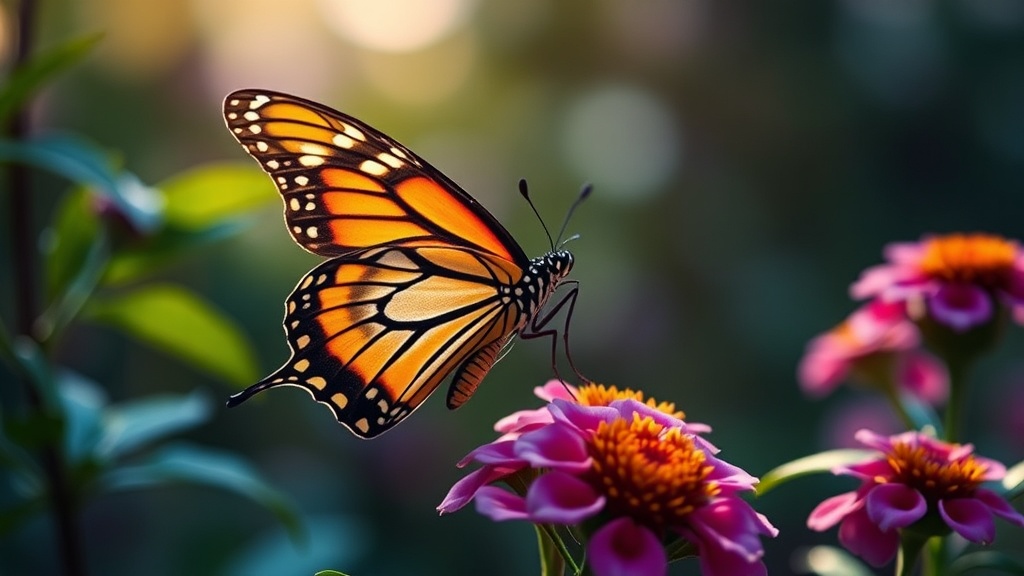
Crafting a Lush Butterfly Sanctuary in Your Backyard

Ever wonder why your garden feels a little too quiet even when the sun is out? Creating a butterfly sanctuary means more than just planting pretty flowers; it requires a specific combination of host plants, nectar sources, and the right physical environment to support a full life cycle. This guide walks through the structural and botanical requirements to turn a standard backyard into a functional habitat for pollinators.
What Plants Do Butterflies Actually Need?
Butterflies need a mix of nectar-rich flowers for adult energy and specific host plants for their caterpillars to eat. If you only plant nectar plants, you'll get visitors, but you won't see them actually breed and stay in your yard. You need both.
Adult butterflies are looking for high-energy sugar hits. Think of nectar as their fuel. For the caterpillar stage, however, they need "host plants"—the specific leaves they eat before they grow wings. For example, Monarch butterflies are famously picky and will only lay eggs on Milkweed. If you don't have Milkweed, you won't have Monarchs.
Here is a breakdown of the two types of plants you should be looking for:
| Plant Type | Purpose | Example Plants |
|---|---|---|
| Nectar Plants | Provides food for adult butterflies. | Lantana, Buddleja (Butterfly Bush), Zinnia, Coneflower |
| Host Plants | Provides food for caterpillars. | Milkweed (for Monarchs), Parsley (for Black Swallowtails), Dill |
Don't just buy whatever is on sale at the big-box store. Check the labels for "native" varieties. Native plants are already adapted to your local soil and weather—they're much hardier. You can find a list of native species through the National Wildlife Federation to make sure you're picking the right stuff for your specific region.
How Do I Build a Butterfly Garden Layout?
A successful layout includes a "sun-trap" design with plenty of sheltered, sunny spots and a water source.
I've spent years building outdoor structures, and I've learned that wind is the enemy of a good garden. If your yard is a wind tunnel, your butterflies won't be able to land. You want to use your existing structures—like a fence or a sturdy hedge—to create a "microclimate" that is calm and warm. A well-placed stone wall or even a wooden deck can act as a thermal mass, absorbing heat during the day and releasing it when the sun goes down. This helps keep the area warm for the insects during cooler evenings.
When you're designing the layout, think about the "layers." You want low-growing ground covers, mid-sized perennials, and maybe some taller shrubs or even small trees. This creates a vertical habitat. If you're working with a small space, you can even transform your patio with vertical gardens to add more surface area for climbing plants.
One thing I always tell people: don't over-clean your garden in the fall. I know, it looks messy. But leaving the stalks and leaves on the ground provides a place for pupae to overwinter. If you clean everything up perfectly, you're actually removing the very homes they need to survive the winter.
The Importance of Water and Sun
Butterflies are cold-blooded. They need the sun to warm up their wing muscles so they can actually fly. If your garden is tucked under a massive, dense oak tree, you probably won't see many visitors. Aim for a spot that gets at least six hours of direct sunlight.
Water is the next big piece. They don't swim (obviously), but they do need to drink. Instead of a deep birdbath, which can be dangerous for smaller insects, create a "puddling station." A shallow dish filled with sand and a few pebbles is perfect. Keep the sand slightly damp. The butterflies will land on the damp sand to sip water and extract minerals. It's a simple way to make your yard a destination.
How Much Does a Butterfly Garden Cost to Start?
The cost of a butterfly garden varies wildly depending on whether you're starting from scratch or just adding to an existing garden, but you can build a great one for under $200.
If you're on a tight budget, don't go out and buy massive, mature plants. They're expensive. Instead, buy smaller "starter" plants or even seeds. Seeds are incredibly cheap and often result in more vigorous growth because the plant establishes itself in its own pace.
- Low Budget: Buying seeds and using a seed tray. (Cost: $20–$50)
- Mid Budget: Buying 1-gallon nursery plants from a local garden center. (Cost: $100–$300)
- High Budget: Installing a permanent stone water feature and large, established shrubs. (Cost: $500+)
The catch? If you buy the cheap stuff, you have to be more patient. Small plants take longer to look "finished" than the big, expensive ones. But in the long run, you're actually building a more resilient ecosystem. I've seen people spend thousands on high-end landscaping only to have it fail because they didn't understand the local soil. Spend your money on the plants, not just the "look."
If you're building a raised bed to house these plants, make sure your foundation is solid. I've seen too many people build a beautiful garden bed only to have it sink or tilt a year later. If you're building a raised bed, treat it like a small construction project. Ensure the base is level and well-drained. You can check out my tips on perfect garden mulching to ensure your new plants have the right environment once they're in the ground.
Common Mistakes to Avoid
The biggest mistake I see is using heavy pesticides or herbicides. It's a tough pill to swallow, but if you're using chemicals to kill "pests" in your garden, you're effectively killing the butterflies too. Most "pests" are actually the caterpillars that will eventually become the butterflies you want to see.
Another mistake is ignoring the soil. If your soil is hard as a rock or pure sand, your plants won't thrive. You can't just stick a plant in the ground and hope for the best. You need to amend the soil with compost or organic matter to give it some life.
Lastly, don't forget the "look." A butterfly garden doesn't have to look like a messy weed patch. You can use structure to keep things organized. Use stone borders, wooden edges, or even a well-built patio to frame your planting areas. This keeps the "wild" parts of your garden looking intentional rather than just neglected. It's all about balance—providing a wild habitat while maintaining the structure of your home's outdoor living space.
If you're worried about the garden looking "unkept" while waiting for things to grow, remember that a little bit of structure goes a long way. A neat stone edge or a clean wooden border can make a wild-looking flower bed look like a professional design choice. It's a simple trick I use all the time in my construction work—use a hard edge to define a soft space.
Steps
- 1
Identify Native Plant Species
- 2
Provide Host Plants for Larvae
- 3
Plant a Nectar Buffet
- 4
Create a Sunny Resting Spot