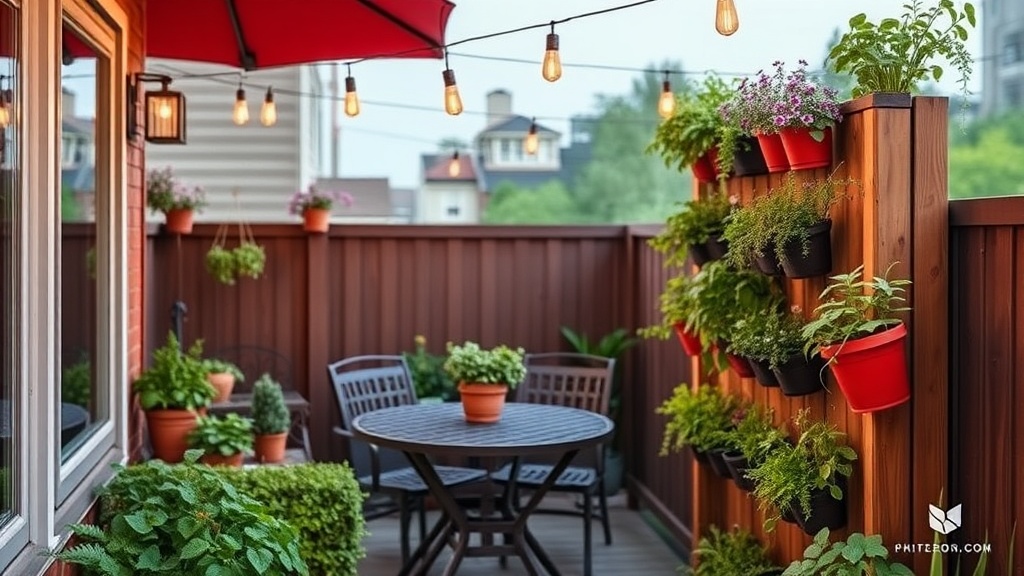
Transform Your Patio with Vertical Herb Gardens

Are you running out of floor space on your patio but still want to grow fresh basil, mint, and rosemary right next to your grill? Vertical herb gardens allow you to grow plants upward instead of outward, making them a perfect solution for small patios, balconies, or even concrete decks where ground space is non-existent. This post breaks down the different types of vertical systems, how to choose the right plants for your specific light levels, and the hardware you'll need to build a setup that won't fall apart after the first heavy rain.
What are the Best Types of Vertical Gardens?
The best type of vertical garden depends on your budget, how much weight your patio structure can handle, and how much time you want to spend on maintenance. You aren't just picking a pretty-looking pot; you're picking a system that needs to manage water drainage and weight distribution.
There are three main categories you'll run into when you start shopping: hanging systems, wall-mounted planters, and freestanding towers.
- Hanging Systems: These are great for beginners. You can use simple S-hooks and lightweight terracotta pots hung from a pergola or a sturdy tree branch.
- Wall-Mounted Planters: These are fixed directly to a wall or a wooden fence. If you're mounting these to a wooden fence, make sure you use stainless steel screws to prevent rust streaks.
- Freestanding Vertical Towers: These are often made of heavy-duty plastic or metal. They sit on the ground but grow upward, often using a hydroponic or drip irrigation method.
I've seen plenty of folks try to hang heavy ceramic pots from a flimsy wooden trellis, and let me tell you—that's a recipe for a broken window or a ruined patio. If you're going vertical, weight is your biggest enemy. Use lightweight materials like high-density polyethylene (HDPE) or felt pockets to keep things manageable.
If you're worried about the aesthetics of your garden, you might want to look into creating a cozy outdoor reading nook to see how greenery can change the vibe of a small space.
How Much Does a Vertical Herb Garden Cost?
A vertical herb garden can cost anywhere from $30 for a basic hanging basket setup to over $500 for a professional-grade, self-watering hydroponic tower. Most DIY projects will fall in the middle range, depending on the materials you buy at the hardware store.
Here is a rough breakdown of what you can expect to spend based on the complexity of the build:
| System Type | Estimated Cost (DIY) | Maintenance Level | Best For |
|---|---|---|---|
| Wall Pockets (Felt/Fabric) | $25 - $60 | High (Dries out fast) | Small balconies |
| Wooden Trellis & Pots | $50 - $150 | Medium | Classic patio look |
| Hydroponic Tower | $200 - $600 | Low (Automated) | Large patios/Expert use|
| Tiered Wooden Planter | $40 - $100 | Medium | Beginners |
Don't forget to account for the cost of soil and organic fertilizers. You can't just use any dirt from the yard; you need something light and well-draining. A good trick I learned back in the shop is to use a mix of peat moss and perlite to keep the weight down while ensuring the plants can breathe.
Which Herbs Grow Best in Vertical Systems?
Herbs that prefer well-draining soil and consistent (but not constant) moisture work best in vertical setups. Because vertical gardens often dry out faster than traditional ground gardens, you need to group plants with similar thirst levels together.
I usually suggest grouping your herbs into "families" so you don't accidentally overwater one while trying to keep another alive. It's a common mistake to put a thirsty mint plant right next to a drought-tolerant rosemary plant.
- The Thirsty Group: Basil, Parsley, and Cilantro. These like to stay somewhat damp and love the sun.
- The Mediterranean Group: Rosemary, Thyme, and Sage. These are tough. They don't mind if the soil gets a bit dry between waterings.
- The "Watch Out" Group: Mint. Mint is an aggressive grower. If you plant it in a vertical system with other herbs, it will eventually take over the whole thing. Give it its own dedicated container.
If you're using a vertical system, keep an eye on the sun exposure. Plants at the top of a tower get more direct sun and dry out much faster than the plants at the bottom. If you're growing in a shady corner, stick to mint or chives.
For more info on plant biology and how different species thrive in various environments, the EPA website to ensure your setup is safe for food-growing.
When you're out there working on your patio, remember that a little bit of prep work goes a long way. It's much easier to fix a loose screw or a leaky pipe now than it is to replace a dead garden in July. Just take your time, measure twice, and don't be afraid to get your hands dirty.