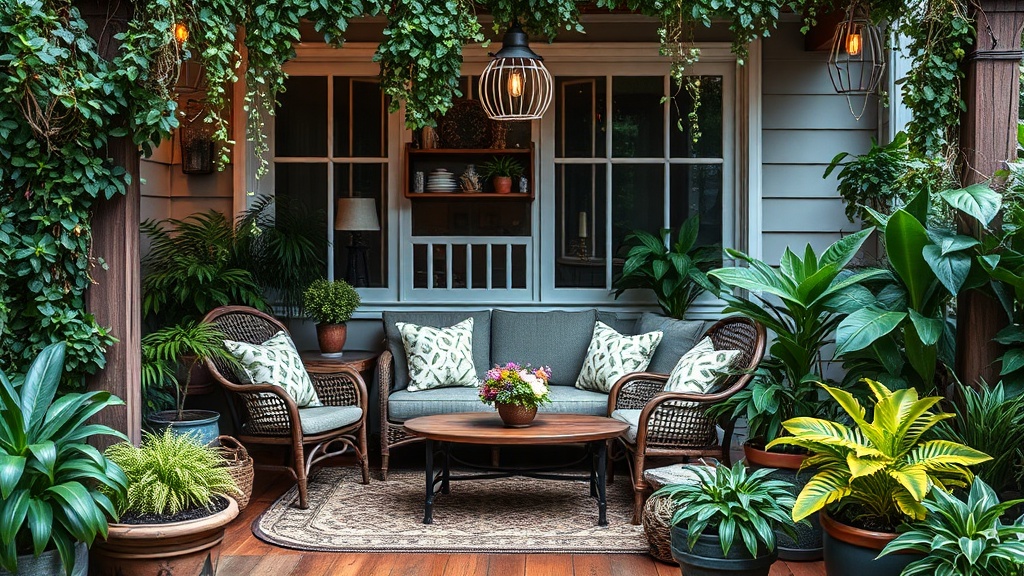
Creating a Cozy Outdoor Reading Nook with Low Maintenance Plants

Imagine a neighbor trying to read a paperback on a patio chair, only to be constantly swatted by mosquitoes or distracted by a dying, brown fern that looks like it's seen better days. It's a common problem. You want a spot to relax, but the setup feels high-maintenance or uncomfortable. This guide shows you how to build a dedicated reading nook using durable furniture and plants that don't require a degree in botany to keep alive.
Creating a space for reading isn't just about buying a chair. It's about the lighting, the shade, and the greenery that makes the area feel private and tucked away from the rest of the yard. We're looking at how to pick the right materials so you aren't spending your weekends weeding or fixing broken slats.
What Are the Best Low Maintenance Plants for a Reading Nook?
The best low maintenance plants for a reading nook are hardy perennials or succulents that thrive in your specific light conditions with minimal water and pruning. If you want a corner that looks good even if you forget to water it for a few days, you need to look at plants with thick, waxy leaves or those that are naturally drought-tolerant.
I've seen folks buy high-maintenance hydrangeas for their shade corners, and within two weeks, they're shriveled up and gray. Don't do that to yourself. Instead, look at things like Sedum or certain varieties of ornamental grasses. They add texture and movement without the drama.
If your nook is in a shady spot, skip the sun-loving flowers. Go for Hostas or Ferns. They love the shade and actually prefer it. If you're looking for something with a bit of color, a Caladium provides great visual interest with very little effort.
Plant Selection Guide by Light Level:
| Light Condition | Plant Suggestion | Maintenance Level |
|---|---|---|
| Full Sun | Lavender or Sedum | Very Low |
| Partial Shade | Hostas | Low |
| Deep Shade | Cast Iron Plant (Aspidistra) | Extremely Low |
| Dappled Sunlight | Ferns | Medium (Needs consistent moisture) |
One thing to keep in mind—and I've seen this happen on countless job sites—is that "low maintenance" doesn't mean "no maintenance." You still need to check the soil. A quick finger test to see if the dirt is dry a few inches down is all you really need to do.
How Do I Make an Outdoor Nook Comfortable?
To make an outdoor nook comfortable, you need to focus on three things: ergonomic seating, weather-resistant textiles, and proper lighting. A hard wooden bench might look great in a photo, but you won't want to sit there for an hour with a book unless you have a decent cushion.
I always tell people to invest in high-quality outdoor fabrics. Don't just grab any cheap cushion from a big-box store. Look for brands like Sunbrella—they make fabrics that won't fade or rot when they get hit by rain or UV rays. It's a bit more expensive upfront, but you won't be replacing them every single season (which saves you money in the long run).
Lighting is the secret sauce. If you're reading at dusk, you need more than just a single overhead bulb. String lights (the heavy-duty Edison style) create a warm atmosphere. If you want something more permanent, a solar-powered lantern on a side table works wonders. It keeps the vibe relaxed and doesn't require you to run electrical lines through your garden beds.
The "Comfort Checklist" for your Nook:
- The Seat: A deep-seated armchair or a high-quality Adirondack chair.
- The Surface: A small side table for your tea, coffee, or book.
- The Texture: An outdoor rug to define the space and keep your feet warm.
- The Shade: A cantilever umbrella or a pergola structure to block the midday sun.
If you're building this on a wooden deck, make sure the surface is level. I've seen people set up a heavy chair on a slightly uneven deck, and after a month of reading, the chair starts to wobble. That's a recipe for a spilled drink or a bruised ego. If your deck is aging, you might want to check your foundation first. If you're working with garden beds nearby, you might even want to build a simple raised bed garden to separate your reading area from the dirt and mud.
How Much Does It Cost to Build a Reading Nook?
The cost to build an outdoor reading nook varies wildly depending on whether you are buying pre-made furniture or building something from scratch. You can get a decent setup for a few hundred dollars, or you can spend thousands on a custom-built structure.
Let's break down the tiers of spending:
- The Budget Tier ($150 - $300): This is the "DIY-friendly" approach. You're buying a basic metal or plastic chair, some solar string lights, and a few potted plants from a local nursery. It's functional and looks nice, but it won't last a decade.
- The Mid-Range Tier ($500 - $1,500): This is where you start buying real wood furniture (like Teak or Acacia) and better cushions. You might add a small wooden pergola or a dedicated stone patio area. This is the sweet spot for most people.
- The High-End Tier ($2,000+): This involves custom carpentry. We're talking built-in benches, a permanent wooden structure, professional-grade lighting, and a curated collection of mature plants.
One thing to note—and this is a tip from my shop teacher days—always account for the "hidden" costs. A beautiful chair is useless if you have to buy a $50 weather-proof cover for it every time it rains. Budget for the upkeep, not just the initial purchase.
If you're working with a tighter budget, don't feel like you have to do everything at once. Start with a comfortable chair and a single plant. As you get a feel for how much sun and wind hits that corner, you can add the more permanent structures. It's better to build it in stages than to build something that doesn't actually work for your space.
If you're already working on the hardscaping side of things, you might find that a fire pit adds a great sense of warmth to your reading area. If you're interested, check out my guide on why you should add a fire pit to your backyard to see how it can change the way you use your outdoor space during the cooler months.
If you have an old garden tool that's looking a bit rough, don't toss it. You can actually keep your garden tools sharp with a simple vinegar soak to keep your maintenance easy and efficient.