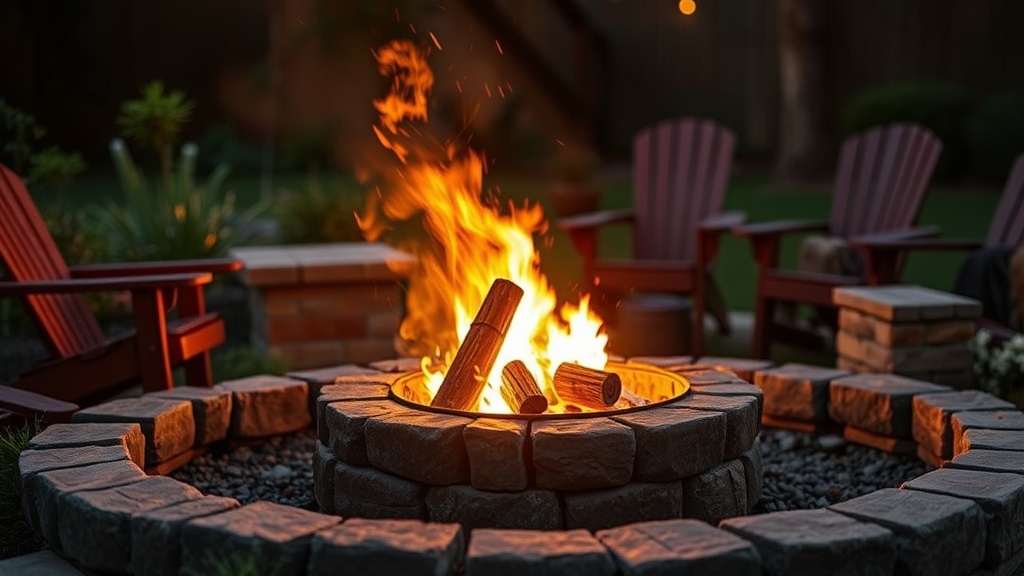
Fire Pit Alchemy: Crafting the Perfect Backyard Gathering Spot

Most homeowners believe that building a fire pit is as simple as digging a hole and stacking some stones. They think that if it holds a fire, it’s a success. That is a fundamental misunderstanding of both thermodynamics and safety. A poorly constructed fire pit isn't just an eyesore; it is a liability that can crack your patio pavers, scorch your lawn, or even damage your home's foundation through heat transfer. A true fire pit is an engineered feature designed to manage heat, airflow, and drainage.
Choosing Your Foundation: Stone, Brick, or Metal
Before you buy a single bag of sand, you must decide on the structural integrity of your pit. You aren't just building a ring; you are building a vessel for high-intensity heat. There are three primary directions you can take, each with distinct pros and cons regarding longevity and ease of installation.
Natural Stone and Masonry
Using natural stone, such as flagstone or fieldstone, provides a timeless, organic look that blends into a lush garden. However, if you are using masonry, you cannot use standard concrete blocks from a big-box store like Home Depot or Lowe's. Standard concrete is porous and will crack or even explode under extreme thermal expansion. If you choose masonry, you must use fire bricks—specialized bricks designed to withstand high temperatures—for the interior lining. This creates a thermal barrier between the fire and the exterior decorative stones.
Pre-fabricated Metal Inserts
If you want to ensure your stone structure remains intact for decades, the smartest move is to purchase a heavy-duty steel or cast iron fire pit insert. Brands like Solo Stove or FirePitDirect offer high-quality steel rings that you can build your stone structure around. This method is highly recommended because the metal ring handles the direct heat, while your stone or brick serves as the aesthetic and structural support. This significantly reduces the risk of heat-induced cracking in your masonry.
Paver Systems
For those looking for a clean, modern aesthetic, interlocking pavers are an excellent choice. When using pavers, ensure you are using a high-quality polymeric sand in the joints to prevent weed growth and shifting. However, remember that pavers are often made of compressed sand and cement; they are not heat-proof. Always use a metal or fire-brick ring inside a paver setup to protect the surrounding hardscape.
The Engineering of Airflow: The Secret to a Clean Burn
The biggest mistake DIYers make is creating a "suffocating" pit. If you build a solid ring of stone with no openings, the fire will struggle to breathe, resulting in heavy smoke that drifts directly into your guests' faces. Smoke is a byproduct of incomplete combustion, and incomplete combustion is caused by a lack of oxygen.
To solve this, you must incorporate ventilation ports. There are two ways to do this effectively:
- The Gap Method: Leave small, intentional gaps (about 1/2 inch to 1 inch) between the bottom layer of stones. This allows cool air to be drawn in from the base to feed the flames.
- The Perforated Metal Method: If you are using a metal insert, ensure it has pre-drached vent holes around the lower perimeter. If you are building a custom steel ring, you can use a drill with a cobalt bit to create your own air intake holes.
A well-ventilated pit creates a "chimney effect," where the heat rises rapidly, drawing fresh air in through the bottom. This results in a hotter, cleaner, and much less smoky fire experience.
Site Selection and Safety Clearances
Where you place the pit is just as important as how you build it. I have seen too many people tuck a fire pit into a corner near a wooden fence or under a low-hanging tree canopy. This is a recipe for disaster. You need to consider the "thermal footprint" of your project.
- Distance from Structures: Maintain a minimum of 10 to 15 feet from any combustible structures, including your house, wooden fences, or detached sheds.
- Overhead Obstructions: Look up. You need at least 20 feet of vertical clearance from any low-hanging branches. Even a well-managed fire sends embers upward, and a single stray spark can ignite a dry limb.
- The Ground Surface: Never build a fire pit directly on a wooden deck or a grass lawn. If you want the fire pit in the middle of your lawn, you must excavate a circle, lay down a layer of crushed gravel or decomposed granite, and then build your pit on that non-combustible base.
If you are designing a larger outdoor living space, consider how the fire pit interacts with your existing landscape lighting. A well-placed fire pit can act as a focal point for a low-light evening sanctuary, providing both warmth and a natural light source that enhances the mood of your garden.
Step-by-Step Construction Guide
If you are ready to break ground, follow this professional-grade workflow. Do not skip the excavation step; a fire pit that isn't level will eventually lean or collapse.
Step 1: Excavation and Base Preparation
Mark out your circle using a stake and a heavy-duty nylon string. Dig out the area to a depth of at least 6 inches. You aren't just digging a hole; you are creating a foundation. Fill this hole with 4 inches of crushed stone or gravel (3/4-inch minus is a good standard). Compact this gravel using a hand tamper or a rented plate compactor. This ensures the ground won't settle unevenly under the weight of the stones and the heat.
Step 2: The Leveling Layer
Add 2 inches of leveling sand over your compacted gravel. This is your "fine-tuning" layer. Use a long level to ensure the sand is perfectly flat. If your base isn't level, your fire pit will never be level, no matter how many stones you stack.
Step 3: Laying the First Course
Place your first ring of stones (or your metal insert) onto the sand. This is the most critical step. Check for levelness every single time you add a stone. If one side is high, remove a bit of sand and reset it. Once the first course is perfectly level, you have a solid foundation for the rest of the build.
Step 4: Stacking and Bonding
As you stack the remaining courses, use a construction adhesive specifically rated for high temperatures (such as Liquid Nails Fuze It) to bond the stones together. This prevents the stones from shifting if someone accidentally kicks them or if the ground shifts slightly. If you are using a metal insert, simply stack your decorative stones around it, ensuring the metal is centered.
Step 5: Finishing Touches
Once the structure is complete, fill the interior of the pit with a layer of lava rocks or river stones. This helps distribute the heat and prevents the direct flame from hitting the bottom of your structure, which further protects the integrity of the pit. If you have a garden nearby, remember that the heat from the pit can dry out the soil quickly. If you've planted flowers around your new feature, make sure you are practicing consistent morning watering to keep the surrounding vegetation hydrated and healthy.
Maintenance and Longevity
A fire pit is a long-term investment in your outdoor lifestyle. To keep it in top shape, perform a quick inspection every spring. Look for any cracks in your masonry or signs of shifting in your base. If you notice a stone has become loose, clean out the debris and re-apply your high-heat adhesive.
Always clear out excess ash after a fire. While ash is a great source of nutrients, a buildup of ash can block your ventilation holes and reduce the efficiency of your fire. If you find yourself with a large amount of leftover wood ash, don't just toss it in the trash; it can be a valuable addition to your compost pile or used as a soil amendment in your garden beds.
By following these engineering principles rather than just "stacking stones," you move from being a hobbyist to a true craftsman. You aren't just building a place to burn wood; you are building a centerpiece for your home that will stand the test of time, heat, and weather.