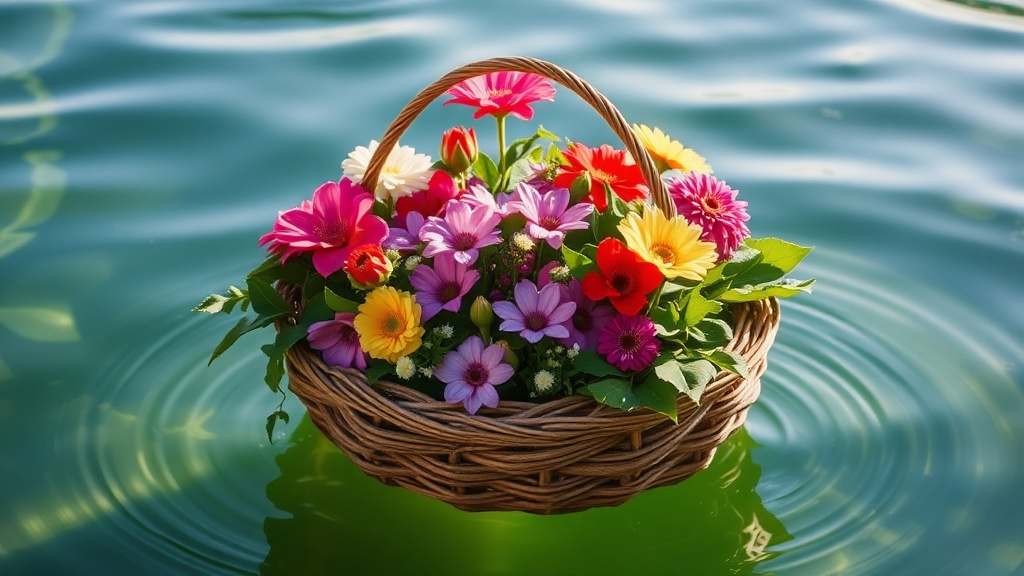
How to Build a DIY Floating Flower Basket

Learn how to construct a durable, lightweight, and aesthetically pleasing floating flower basket using basic hardware store materials.
A floating flower basket is a functional way to add vertical interest to your porch, patio, or garden fence without the heavy footprint of a traditional hanging basket. This project focuses on creating a lightweight structure that can be suspended from a hook or a bracket, using a combination of wire, a lightweight container, and high-quality soil. By following these steps, you will build a basket that is structurally sound, resists rot, and provides the perfect environment for your seasonal annuals or trailing perennials.
Unlike heavy ceramic pots that can strain your mounting hardware, this DIY version utilizes lightweight materials to ensure safety and longevity. Whether you are decorating a small balcony or adding color to a large deck, this method allows you to customize the size and style to fit your specific outdoor space.
Gathering Your Materials and Tools
Before you start cutting or assembling, ensure you have all the necessary components. I recommend sourcing your materials from a local hardware store like Home Depot or Lowe's to ensure consistency in the gauge of the wire and the quality of the basket liner. Using inferior materials often leads to rusted hooks or broken liners mid-season.
Required Materials:
- Wire Basket or Plastic Liner: A 12-inch or 14-inch diameter lightweight plastic liner works best for weight distribution.
- Galvanized Steel Wire (12 or 14 gauge): This is crucial. Do not use thin copper or aluminum wire, as it will not hold the weight of wet soil.
- Coconut Coir Liner: This provides drainage and a natural look while being much lighter than traditional peat moss liners.
- Heavy-Duty S-Hooks or Swivel Hooks: Ensure these are rated for at least 20 lbs to account for the weight of the basket plus water retention.
- Potting Mix: Use a high-quality, lightweight potting soil specifically designed for containers. Avoid heavy garden soil.
- Slow-Release Fertilizer: Such as Osmocote, to keep plants healthy throughout the season.
Required Tools:
- Wire Cutters: Heavy-duty cutters are necessary to handle the galvanized steel.
- Needle-Nose Pliers: These are essential for twisting and shaping the wire loops.
- Measuring Tape: To ensure your wire loops are symmetrical.
- Garden Shears: For trimming any excess coconut coir or plant growth.
Step 1: Preparing the Wire Frame
The strength of your floating basket depends entirely on the tension and thickness of your wire frame. If you are using a plastic liner, you will need to create a "cradle" for it. Start by cutting three or four equal lengths of your 12-gauge galvanized steel wire. Each piece should be approximately 24 inches long to allow for enough overlap at the top and bottom.
Take your first wire and bend it into a large "U" shape. Use your needle-nose pliers to create small loops at both ends of the "U." These loops will serve as the attachment points for your hanging mechanism. Repeat this process with the other two wires. You will now have three "U" shaped wires. Lay them inside each other so they form a tripod-like structure. This tripod design is what provides the stability needed to prevent the basket from tilting as the plants grow and the water weight changes.
At the bottom of the tripod, use your wire cutters to trim the excess, then use the pliers to twist the three ends together tightly. This creates a stable base that will hold the weight of the soil and plants. Ensure the twists are tight and there are no sharp edges pointing outward, as these can tear your liner or injure your hands during planting.
Step 2: Installing the Liner and Coconut Coir
Once your wire frame is assembled, it is time to add the liner. If you are using a coconut coir liner, you will likely need to secure it to the wire frame to prevent it from slipping or sagging. Take your wire frame and place the coconut coir inside. If the liner is slightly too large, use your garden shears to trim the edges so it fits snugly within the wire structure.
To secure the liner, take a smaller piece of the 14-gauge wire and wrap it around the top rim of the coconut coir, then weave it through the loops you created in Step 1. This "stitching" technique ensures that even when the soil becomes saturated with water, the liner remains firmly attached to the metal frame. This is a critical step; a loose liner can lead to a catastrophic failure where the soil spills out during a heavy rainstorm.
If you are using a plastic liner instead of coconut coir, you should poke several small drainage holes in the bottom of the plastic using a screwdriver or a heated metal rod. Proper drainage is non-negotiable. Without it, the weight of the water will become too heavy and the roots will rot, leading to plant death.
Step 3: The Filling and Planting Process
Now that the structure is ready, you need to fill it. This is where many DIYers make a mistake by using standard garden soil. Garden soil is far too heavy and dense for a hanging basket. It will compact over time, preventing oxygen from reaching the roots and adding unnecessary weight to your hanging hardware. Always use a lightweight, professional-grade potting mix. These mixes often contain perlite or vermiculite, which provides aeration and better drainage.
Fill the basket about halfway with the potting mix. Before adding your plants, mix in a handful of slow-release fertilizer like Osmocote. This ensures a steady supply of nutrients throughout the growing season. When planting, start with your "thriller" plant—this is usually a taller, more upright plant in the center. Follow this with your "fillers," which are mid-sized plants that occupy the space around the center. Finally, add your "spillers"—trailing plants like Petunias or Creeping Jenny that will hang over the edges of the basket.
As you add each plant, press the soil down firmly around the root ball to eliminate air pockets. However, do not pack it so tightly that you crush the roots. Once the basket is full, add a layer of potting mix on top to cover any exposed roots and finish with a thin layer of mulch or decorative pebbles to help retain moisture. This technique is helpful if you are working on a sunny patio where evaporation happens quickly. If you are building a garden that includes more substantial structures, you might want to build a simple raised bed garden with cedar to complement your vertical greenery.
Step 4: Hanging and Maintenance
Before you hang the basket, perform a weight test. Hold the basket by its wire loops and give it a gentle shake. If you feel any shifting or if the wire looks like it is stretching, you need to reinforce your loops or use a thicker gauge wire. Once you are confident in the strength, select a mounting point. If you are hanging this from a porch ceiling, ensure you are using a screw that is long enough to reach a ceiling joist or a solid rafter.
For hanging on a fence or a wall, use a heavy-duty shepherd's hook or a wall-mounted bracket. Avoid using thin, decorative hooks that are meant for light decorations; they will bend under the weight of a wet basket. Once hung, place your basket in a location that receives the appropriate amount of sunlight for your chosen plants. For example, most trailing annuals like Fuchsia prefer partial shade, while Geraniums thrive in full sun.
Maintenance is straightforward but vital. Because hanging baskets have limited soil volume, they dry out much faster than ground plants. Check the moisture levels daily during the summer months. A good rule of thumb is to stick your finger an inch into the soil; if it feels dry, it is time to water. When watering, aim for the base of the plants rather than the foliage to prevent fungal issues. If you find your plants are struggling due to inconsistent moisture, you might want to read my guide on how to stop overwatering your succulents, as the principles of moisture management are similar across different plant types.
Troubleshooting Common Issues
Problem: The basket is tilting to one side.
Solution: This is usually caused by uneven plant distribution or the roots growing more heavily on one side. You may need to adjust the plants or add more soil to the lighter side. Ensure your wire loops are perfectly symmetrical.
Problem: The plants are turning yellow.
Solution: This is often a sign of either overwatering or a lack of nutrients. Check the drainage holes to ensure they aren't clogged with soil. If the soil is damp but the plant looks poor, you likely have a drainage issue. If the soil is bone dry, you need to increase your watering frequency.
Problem: The wire is starting to rust.
Solution: If you didn't use galvanized steel, oxidation will occur. For future builds, always ensure you use galvanized or stainless steel to prevent rust from staining your patio or porch.
By following these technical steps, you have created a professional-grade hanging basket that adds depth and color to your outdoor living space. This project is a great way to practice your basic construction and gardening skills while adding a high-end look to your backyard.
Steps
- 1
Gather your materials including a wire basket, coco liner, and potting soil.
- 2
Prepare your plants by loosening the root balls slightly.
- 3
Fill the basket with soil and nestle your plants inside.
- 4
Secure the basket to a sturdy hook or bracket outside.