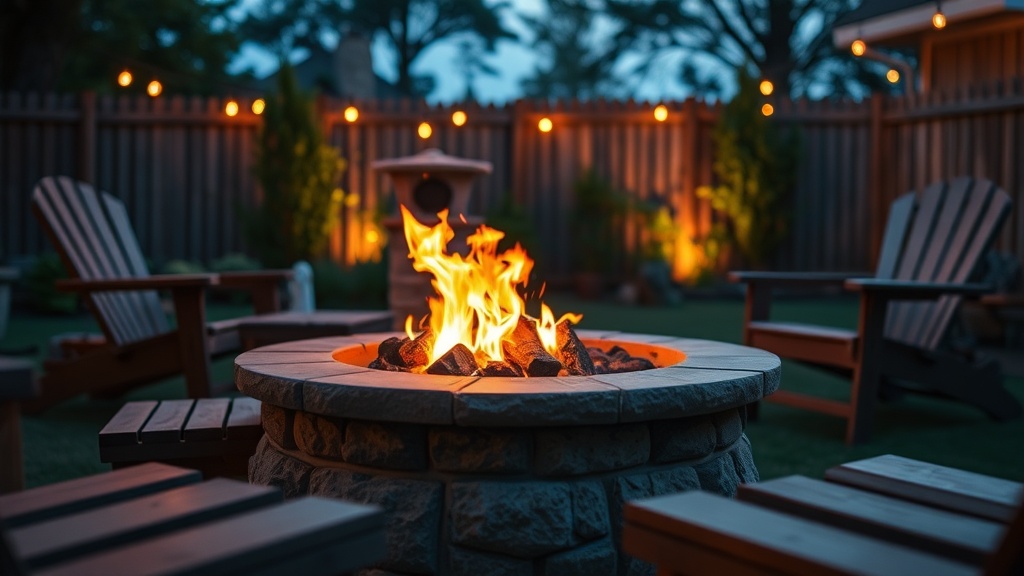
Why Your Outdoor Fire Pit is the Perfect Addition to Your Backyard

What You Will Learn About Adding a Fire Pit to Your Backyard
This post explains the practical benefits of installing an outdoor fire pit, the different types of fire features available, and the technical considerations you need to make regarding safety, placement, and materials. Whether you are looking to increase your property value or simply want a functional reason to spend more time outdoors, understanding the structural and logistical requirements of a fire pit is the first step to a successful installation.
An outdoor fire pit is more than just a decorative feature; it is a functional upgrade to your outdoor living space that serves several practical purposes. From extending the usability of your backyard during cooler months to creating a natural focal point for social gatherings, a well-built fire pit transforms an empty patch of lawn or a patio into a destination. In this guide, I will break down the technical aspects of choosing, building, and maintaining a fire feature so you can make an informed decision for your home.
The Practical Benefits of a Fire Pit
When clients ask me why they should invest in a permanent fire feature rather than just buying a portable metal fire bowl, I point to three main factors: durability, heat output, and property value. A permanent installation is built into the landscape, meaning it becomes a structural part of your outdoor living area rather than a temporary accessory.
Extended Seasonal Usability
The biggest limitation to outdoor living is temperature. Even in temperate climates, the sun goes down and the air cools, often forcing people back inside. A fire pit provides a consistent heat source that can raise the ambient temperature of your seating area by several degrees. This allows you to use your patio or deck well into the autumn or even early spring. If you have invested in high-quality seating, a fire pit ensures you actually get to use it more often throughout the year.
Increased Property Value and Aesthetic Appeal
From a contractor's perspective, a built-in fire pit is a "hardscape" feature. Hardscaping—which includes things like stone retaining walls, patios, and permanent fire pits—generally offers a higher return on investment than "softscaping" or temporary decor. A professional-looking stone fire pit creates a focal point that draws the eye and makes a backyard feel "finished." It signals to potential buyers that the outdoor space was designed with intention and high-end amenities in mind.
A Natural Social Hub
Human beings are naturally drawn to light and heat. In a backyard setting, a fire pit acts as a natural magnet for guests. Unlike a dining table, which dictates a specific activity (eating), a fire pit encourages a relaxed, unstructured environment. This makes it the ideal centerpiece for a backyard that transitions from a daytime relaxation zone to an evening social area.
Choosing the Right Type of Fire Feature
Before you start digging or ordering stone, you need to decide which type of fire feature fits your lifestyle, your budget, and your local building codes. There are three primary categories: wood-burning, gas-powered, and electric/water features.
Wood-Burning Fire Pits
Wood-burning pits are the traditional choice. They provide the quintessential "campfire" experience, including the crackle of the wood and the smell of smoke. These are often the most cost-effective to install initially, especially if you are building a DIY stone ring. However, they require more maintenance. You have to manage the fuel (logs), deal with ash removal, and be mindful of smoke direction.
- Pros: Low initial cost, authentic experience, high heat output.
- Cons: Smoke, ash cleanup, requires wood storage, potential fire hazards from flying embers.
Gas-Powered Fire Pits (Natural Gas or Propane)
Gas fire pits are the modern standard for high-end outdoor kitchens and patios. These can be fueled by a propane tank or by running a natural gas line directly to the unit. They offer the ability to turn the fire on and off with a simple valve or electronic igniter, providing instant ambiance without the mess of wood. If you are building an outdoor kitchen, a gas fire pit is often the best way to integrate the feature into your existing utility lines.
- Pros: Instant start/stop, no smoke or ash, extremely clean, highly controllable.
- Cons: Higher installation cost (especially if running gas lines), limited to "flame" rather than "fire" experience.
Portable Fire Bowls and Smokeless Fire Pits
If you are a renter or are not ready to commit to a permanent installation, portable options like a Solo Stove or a heavy-duty steel fire bowl are excellent. These are great for testing out the "vibe" of a fire pit before you commit to a permanent stone structure. They are easy to move around, but they lack the permanence and the structural integration of a built-in feature.
Technical Considerations for Installation
As a contractor, I see many DIYers fail because they overlook the technical requirements of fire safety and drainage. A fire pit is a heavy, heat-producing object that requires a solid foundation.
Location and Safety Clearances
You cannot just put a fire pit anywhere. You must follow local fire codes, which usually dictate how far a fire feature must be from structures. As a general rule of thumb, keep your fire pit at least 10 to 20 feet away from your house, low-hanging tree branches, or wooden fences. If you are installing a fire pit on a wooden deck, you must use a non-combustible base or a specialized heat shield to prevent the wood from charring or igniting.
The Importance of a Solid Foundation
A fire pit is heavy. If you build a stone fire pit directly on top of grass or loose dirt, the weight will cause it to sink unevenly over time, leading to cracks in the stone or a tilted appearance. You must excavate the area, lay down a compacted gravel base (such as crushed stone or pea gravel), and ensure the ground is level. For a permanent stone structure, I recommend a base of 4 to 6 inches of compacted gravel topped with a layer of sand or leveling sand to ensure a perfectly flat surface.
Drainage and Heat Management
If you are building a pit in the ground or using a stone ring, you need to account for water. A fire pit that collects rainwater becomes a muddy mess that is difficult to light. I always recommend adding a layer of heavy-duty gravel or lava rocks at the bottom of the pit. This serves two purposes: it allows water to drain away and it provides a heat-resistant base that helps distribute the temperature evenly.
Integrating Your Fire Pit into Your Landscape Design
A fire pit shouldn't look like an afterthought. It should feel like a deliberate part of your backyard layout. To achieve this, you need to consider the surrounding elements, such as seating and lighting.
Coordinated Seating
The seating you choose will dictate the "feel" of the area. If you want a rustic, casual look, use Adirondack chairs or heavy timber benches. If you want a more formal, high-end feel, consider built-in stone seating walls that match the material of the fire pit itself. When choosing your furniture, remember that the seating should be positioned at a comfortable distance—roughly 3 to 5 feet from the edge of the fire—to allow for heat without discomfort. For more tips on selecting the right pieces, see my guide on choosing the right outdoor furniture for your space.
Layered Lighting
A fire pit provides light, but it is a flickering, localized light source. To make the area safe and inviting, you need supplemental lighting. This could be string lights (Edison bulbs) draped overhead, low-voltage path lights around the perimeter, or even small spotlights directed at nearby trees. Proper lighting ensures that people can navigate the area safely even when the fire is low. For a deeper look at how to light your yard, check out my post on why your outdoor lighting changes everything.
Complementary Hardscaping
The area surrounding your fire pit should be a non-combustible surface. This might be a patio made of pavers, a flagstone walkway, or a pea gravel area. Using materials that complement the texture and color of your fire pit will create a cohesive look. For example, if you are building a stone fire pit, using a similar stone for a small patio area creates a unified "outdoor room" feeling.
Maintenance and Long-Term Care
Once your fire pit is installed, a little bit of maintenance goes a long way in preserving its appearance and functionality. For wood-burning pits, ensure you clean out the ash regularly. Accumulated ash can hold moisture and, in some cases, can cause the metal or stone to degrade faster. For gas fire pits, check the burner ports occasionally to ensure they aren't clogged with debris or spider webs, which can interfere with the flame pattern.
If you have a stone fire pit, keep an eye on the mortar or the stability of the stones. Seasonal temperature changes can cause the ground to shift, and you may need to re-level the base or touch up any cracks in the masonry. Treating your fire pit as a permanent structure rather than a temporary toy will ensure it remains a centerpiece of your backyard for years to come.